


Top-rated landscapers.

Get matched with top landscapers in Nelson, NE

Enter your zip and get matched with up to 5 pros

Need a pro for your landscaping project in Nelson, NE?

Select your specific project to find the pro for you.

Find Landscapers in Nelson

Avatar for Patriot Lawn Care
Patriot Lawn Care
5.0(
2
)

Serving Nelson, NE and surrounding areas

Approved

In business since 2015

Free estimates

Credit card accepted

"This is 5 star company. They did every thing I asked of them and exceeded my expectations. When done they asked if their was anything that they needed too do before they left."
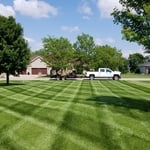
Double Cut Stripes
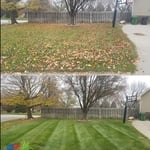
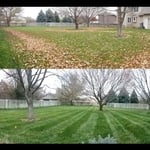
Leaf Cleanup
Leaf Cleanup
Double Cut Stripes
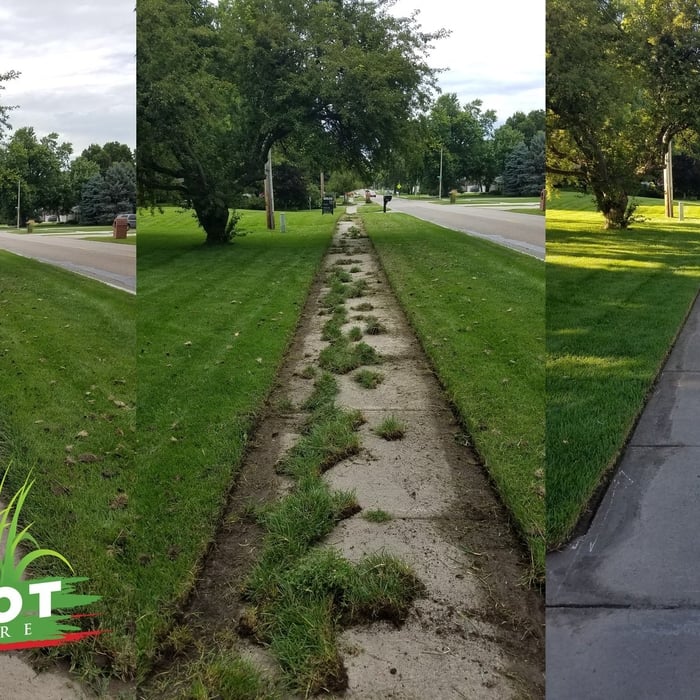
Power Edging

+8

Response time5 days
Recommended by100%of homeowners
Showing 1-10 of 41
Landscaping questions, answered by experts

The best time to plant is between spring and autumn. Springtime weather is typically mild and is when nurseries start to bloom. When the summer weather arrives and it’s hot out, it’s best to avoid planting bare-root plants, but you can still plant many in-container varieties. The first sign of fall is another great opportunity to plant biennials if you live in southern states, or a lovely vegetable garden up north.

Unless it only rains once in a blue moon where you live, you’re going to want water-loving plants in your garden bed or pot. A few ideas for plants that aren’t super fast-growing (meaning they’re good in pots or near foundations) and can handle a lot of standing water include: 

  • Acorus (Sweet flag)

  • Colocasia esculenta (Taro or elephant ear): In many climates, these are annuals, making them less desirable because you need to adjust the chain again after each replant.

  • Equisetum scirpoides (Dwarf horsetail rush): non-dwarf varieties of horsetail are fast growers and can take over quickly.

  • Juncus effusus (Curly rush)

  • Osmunda regalis (Royal fern): Royal fern can grow quickly but can also handle being crowded, making them good container plants.

The soil around your foundation should slope down and away from your home, not toward it. If the grading drops the farther you are from your home, you can enhance the slope by removing more soil. Mark off a few feet from your house and dig up some of this soil. Regrading around your fountain should encourage water to flow away from your home and not collect or “pond.”

The best type of rock for landscaping depends on your specific project and needs, as different rocks are suited for different applications. For covering large areas or creating an affordable driveway, consider gravel, but note that it can wash away in flowing water. For water features, river rocks are a good option. Flagstone and cobblestone are ideal for aesthetically pleasing patios and walkways. If you are building a stone wall, fieldstone or small boulders are up to the task. Large boulders and landscape rocks work well as statement pieces, to fill empty space, or to indicate boundaries, but be mindful that they can overwhelm smaller gardens. The best approach is to first define your landscaping project and then select the rock type that best fits that purpose.

There are two main times of year to apply mulch: mid to late spring and late fall. Spreading mulch in mid to late spring helps protect new seedlings as the soil warms up. It's best to wait until temperatures are steady, as mulching too early in the spring can slow down the soil's warming process and hinder plant growth. Fall mulching is also beneficial, as it insulates the soil and helps regulate its temperature when the first frosts arrive.

The Nelson, NE homeowners’ guide to landscaping services

From average costs to expert advice, get all the answers you need to get your job done.