


Top-rated landscapers.

Get matched with top landscapers in Superior, NE

Enter your zip and get matched with up to 5 pros

Need a pro for your landscaping project in Superior, NE?

Select your specific project to find the pro for you.

Find Landscapers in Superior

Avatar for Tetrault Landscaping
Tetrault Landscaping
4.9(
10
)
Architect - LandscapeDesigner - LandscapeDrywell - Construct or Rebuild+13 more

Serving Superior, NE and surrounding areas

In business since 2005

Free estimates

Emergency services offered

"Work went well. I feel it could have been better if I hadn't rushed the contractor to get it done. But overall, the yard looks good and the flowers are now blooming beautifully. Following his directions, the new grass has also sprouted up nicely. I've received several compliments from passers-by. I would hire this person again."
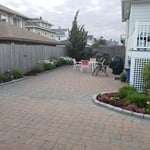
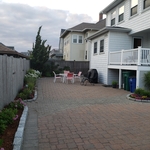
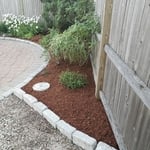
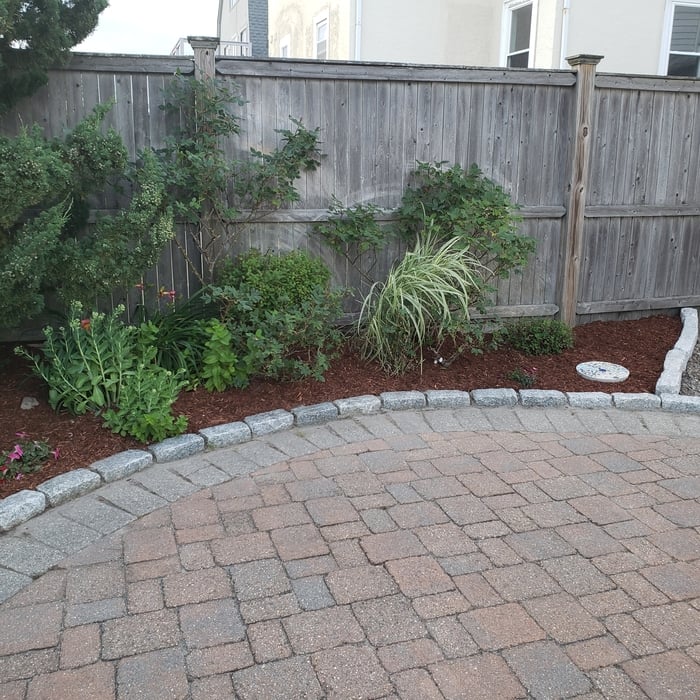
Additional Photos
Additional Photos
Additional Photos
Additional Photos
Additional Photos

+51

Recommended by100%of homeowners

Showing 1-10 of 37
Landscaping questions, answered by experts

The best time to plant is between spring and autumn. Springtime weather is typically mild and is when nurseries start to bloom. When the summer weather arrives and it’s hot out, it’s best to avoid planting bare-root plants, but you can still plant many in-container varieties. The first sign of fall is another great opportunity to plant biennials if you live in southern states, or a lovely vegetable garden up north.

If you want to take your tree-planting hobby beyond your outdoor space, here are a few great ways to do it:

  • Encourage your neighbors to participate in the Arbor Day Foundation’s Tree City USA program, which has a four-step framework that helps communities grow and maintain their own tree cover.

  • Support businesses that plant trees. 

  • Lobby your local government to plant more trees around your community.

  • Donate to a tree-planting charity.

If you use the wrong plants for your gardening zone, you’ll likely get less than desirable yields from them. In some cases, your plants can even die. It’s important to ensure that your plants are able to survive in your hardiness zone before getting them into the ground.

There are two main times of year to apply mulch: mid to late spring and late fall. Spreading mulch in mid to late spring helps protect new seedlings as the soil warms up. It's best to wait until temperatures are steady, as mulching too early in the spring can slow down the soil's warming process and hinder plant growth. Fall mulching is also beneficial, as it insulates the soil and helps regulate its temperature when the first frosts arrive.

The truth is, there really is no such thing as a 100% deer-proof plant. Deer will decimate even the prickliest flora if they’re hungry enough. However, there are plenty of beautiful plants that deer don’t necessarily enjoy. These include thistles, wisteria vines, sword ferns, and beautyberries.

Deer are herbivores, and they love vegetable gardens as much as Peter Rabbit. If you don’t want to fence in your entire property, consider creating an attractive raised-bed veggie garden with mesh fencing around it to keep out deer and other critters.

The Superior, NE homeowners’ guide to landscaping services

From average costs to expert advice, get all the answers you need to get your job done.