




Contractors
Lawn & Yard Waste Clean UpLawn Care - Maintain and Mow a Lawn
Serving Geneva, NE and surrounding areas
Approved
"A great guy; his work exceeded my expectations. I will definitely hire him again..."
8 neighbors recently requested a quote
*The Angi rating for Landscaping companies in Geneva, NE is a rating based on verified reviews from our community of homeowners who have used these pros to meet their Landscaping needs.
*The HomeAdvisor rating for Landscaping companies in Geneva, NE is a rating based on verified reviews from our community of homeowners who have used these pros to meet their Landscaping needs.
Last update on January 11, 2026
Serving Geneva, NE and surrounding areas
Approved
"A great guy; his work exceeded my expectations. I will definitely hire him again..."
Serving Geneva, NE and surrounding areas
Approved
Free estimates
Emergency services offered
Small jobs welcome
"Fantastic communication amazing work looking forward to having him do more of my projects for my lawn care"
Serving Geneva, NE and surrounding areas
Approved
Free estimates
Offers commercial services
I am Caleb and I am the owner operator or Lawn Innovations. I specialize in residential and commercial lawn maintenance and I am also adding junk removal to what I am offering.
Serving Geneva, NE and surrounding areas
In business since 2017
Free estimates
"Called them and they respond to call back and make apt for the job need to be done."
Serving Geneva, NE and surrounding areas
In business since 2018
Free estimates
Credit card accepted
"I will be using this service again!"
Serving Geneva, NE and surrounding areas
In business since 2020
Free estimates
Credit card accepted
"Great customer service and quality work at an affordable price."
Serving Geneva, NE and surrounding areas
In business since 2021
Free estimates
Offers commercial services
"Has a very detail oriented approach to the jobs."

Serving Geneva, NE and surrounding areas
In business since 2014
Free estimates
Emergency services offered
"Worked, tech couldn’t get remote to work. I believe this was supposed to be included"
Serving Geneva, NE and surrounding areas
In business since 2010
Free estimates
Credit card accepted
"This a good company. They did a good job."
Serving Geneva, NE and surrounding areas
In business since 2019
Free estimates
Credit card accepted
"I hired them to replace flooring in my house. They replaced my nasty old floor with beautiful new vinyl flooring, about 1000 square feet. They worked professionally, well mannered, and had great time management. Overall thumbs up, good customer service!!"
From average costs to expert advice, get all the answers you need to get your job done.
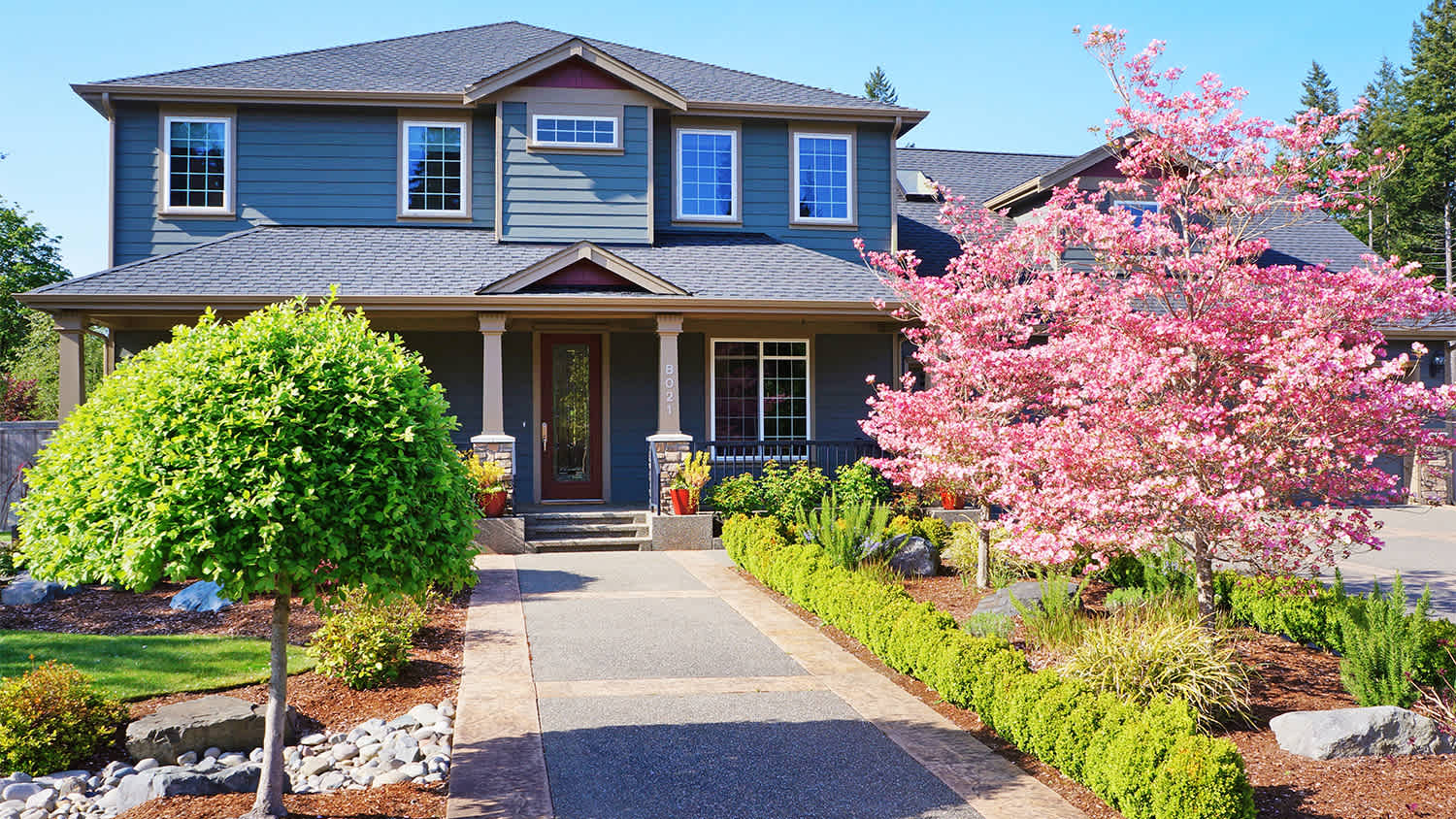
A landscape designer can elevate your outdoor space and bring your vision to life. Use this landscape design cost guide to budget for your next project.
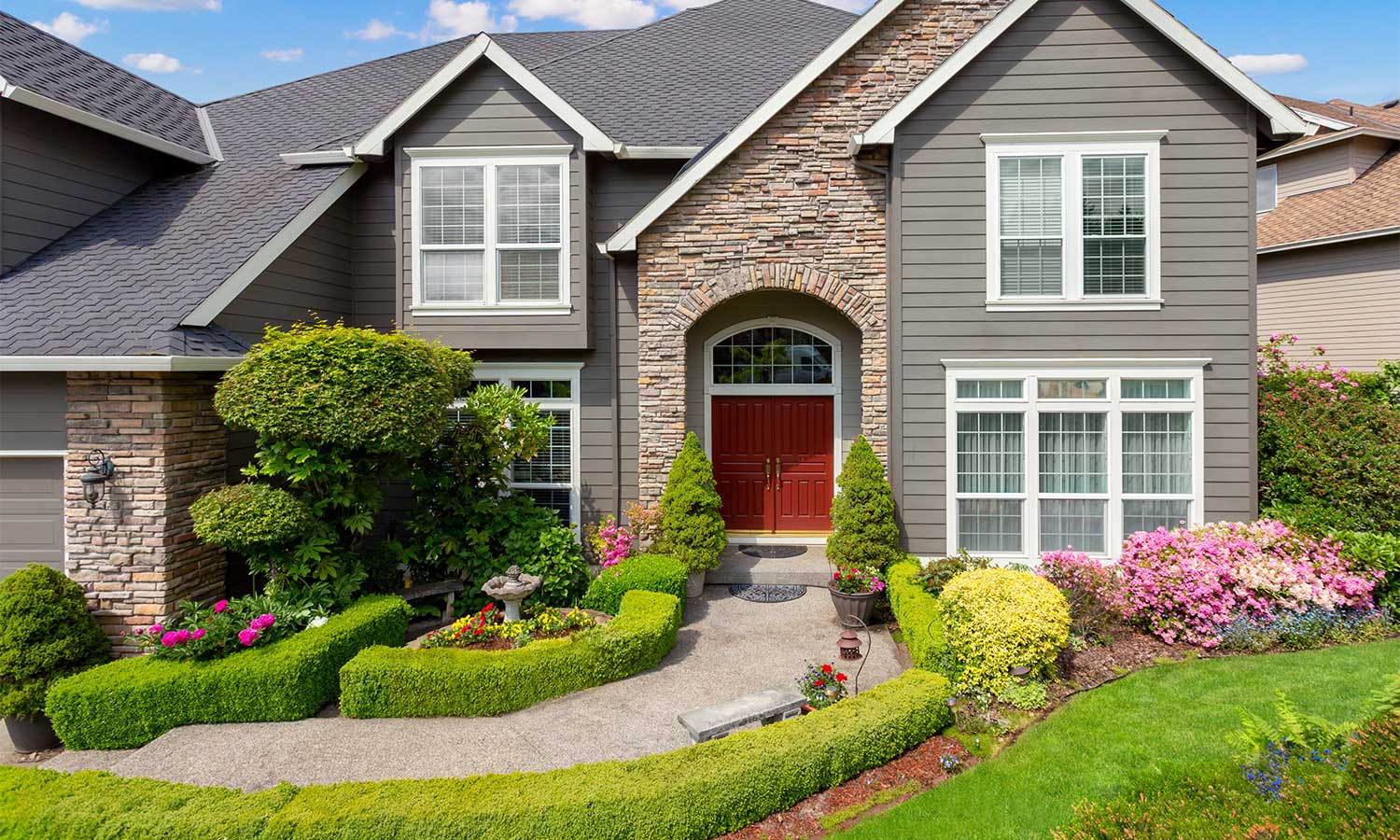
Landscaping your yard adds curb appeal and expands your home’s living space into the outdoors. Learn how much landscaping costs for various projects.
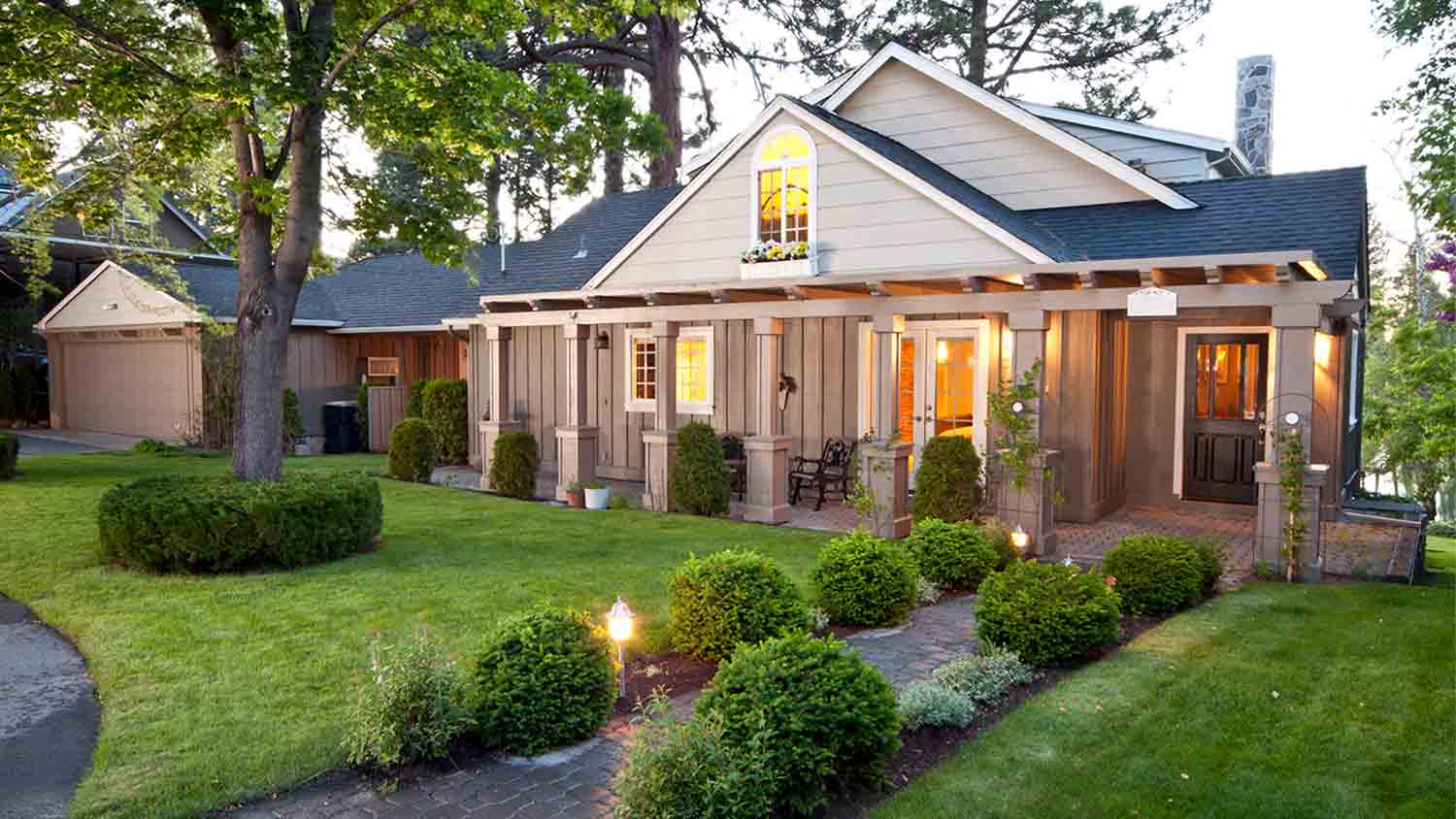
Discover the cost to install landscape lighting. Learn about average prices, key cost factors, and ways to save on your outdoor lighting project.
A good landscaping website can help you land more sales and build your credibility. Read our list of must-have pages and ideas for your website to help potential clients find you and drive more business for your lawn care company.
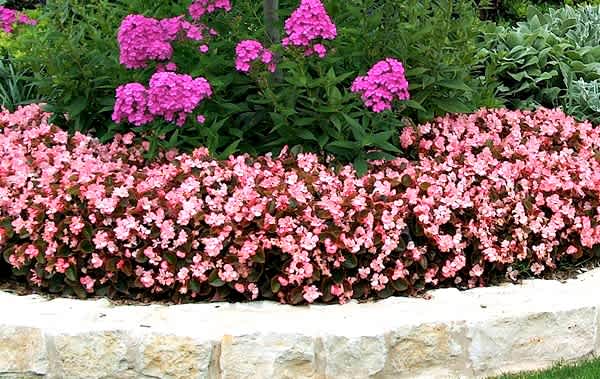
Landscaping costs can quickly get out of hand. Here’s what you can expect to tackle with a $5,000 landscaping budget to revamp your home’s exterior.
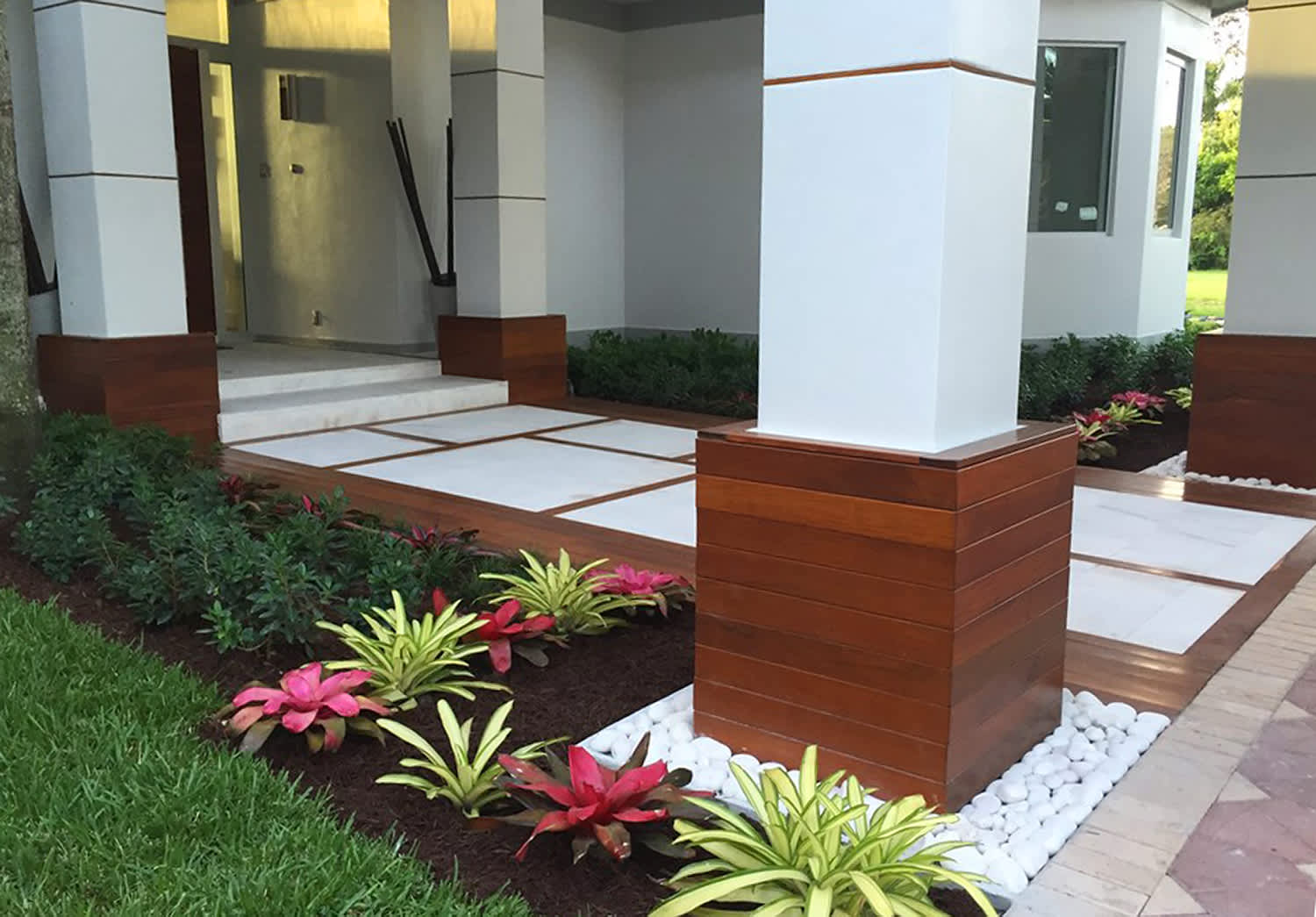
Is it time for a landscape glow-up? Check out these 47 landscaping ideas that show off your one-of-a-kind lawn and gardening style.