"Well. Only problem was delay in response time after claim was filed online. Water tank started leaking Thanksgiving morning and no reply until I called the Regional Manager."
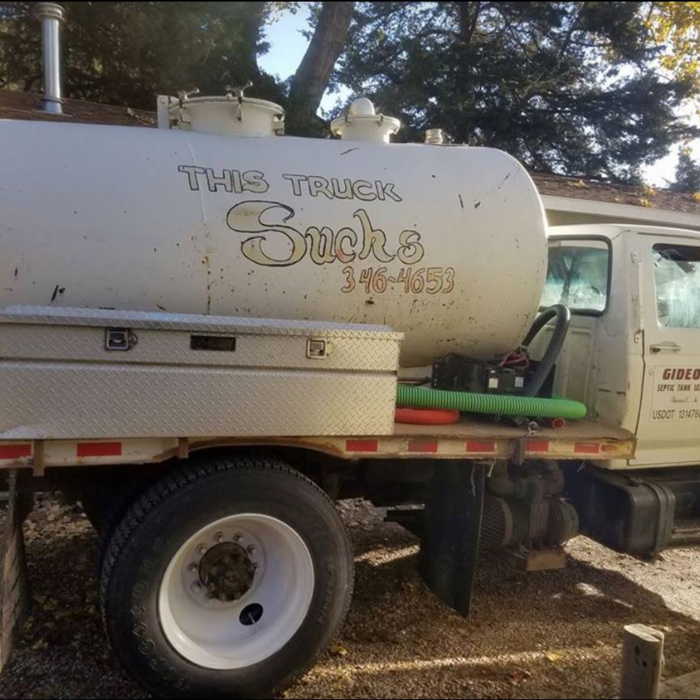
With over 30 years of experience, Gideon Septic Services is dedicated to providing our customers with the best quality and craftsmanship. We are here to build relationships with our customers and communities and to provide our employees with a great place to work.\n \nGideon Septic Services is a leader in providing our customers with the highest quality products and craftsmanship in an honest, efficient, and professional way. Our pledge is to create successful relationships with our customers, employees and community by building trust, treating every project with the utmost integrity and exceeding expectations.\n \nWe look forward to working with you!\n\nWe offer 24/7 emergency services.
"Takes for ever to get a return a call. Also took a week to get someone out for repairs. They said they would reimburse me for septic repairs and it took over 3 months for that to happen."
Yes, septic tank companies must be licensed in most states and municipalities to perform services like installation, alteration, repair, and pumping. Since laws vary by location, it's crucial to check local requirements.
Hiring an unlicensed professional can lead to poor work, code violations, and significant fines. Always verify that your chosen company is properly licensed and fully insured to avoid liability. You can use tools like Angi’s contractor licensing search to check a pro's credentials.
It's also helpful to understand the difference between licensing and certification. A license is a legal requirement to operate, while certifications are voluntary. Credentials like the “Angi Approved” badge indicate that a business meets extra standards, such as passing a background check and maintaining a high rating.
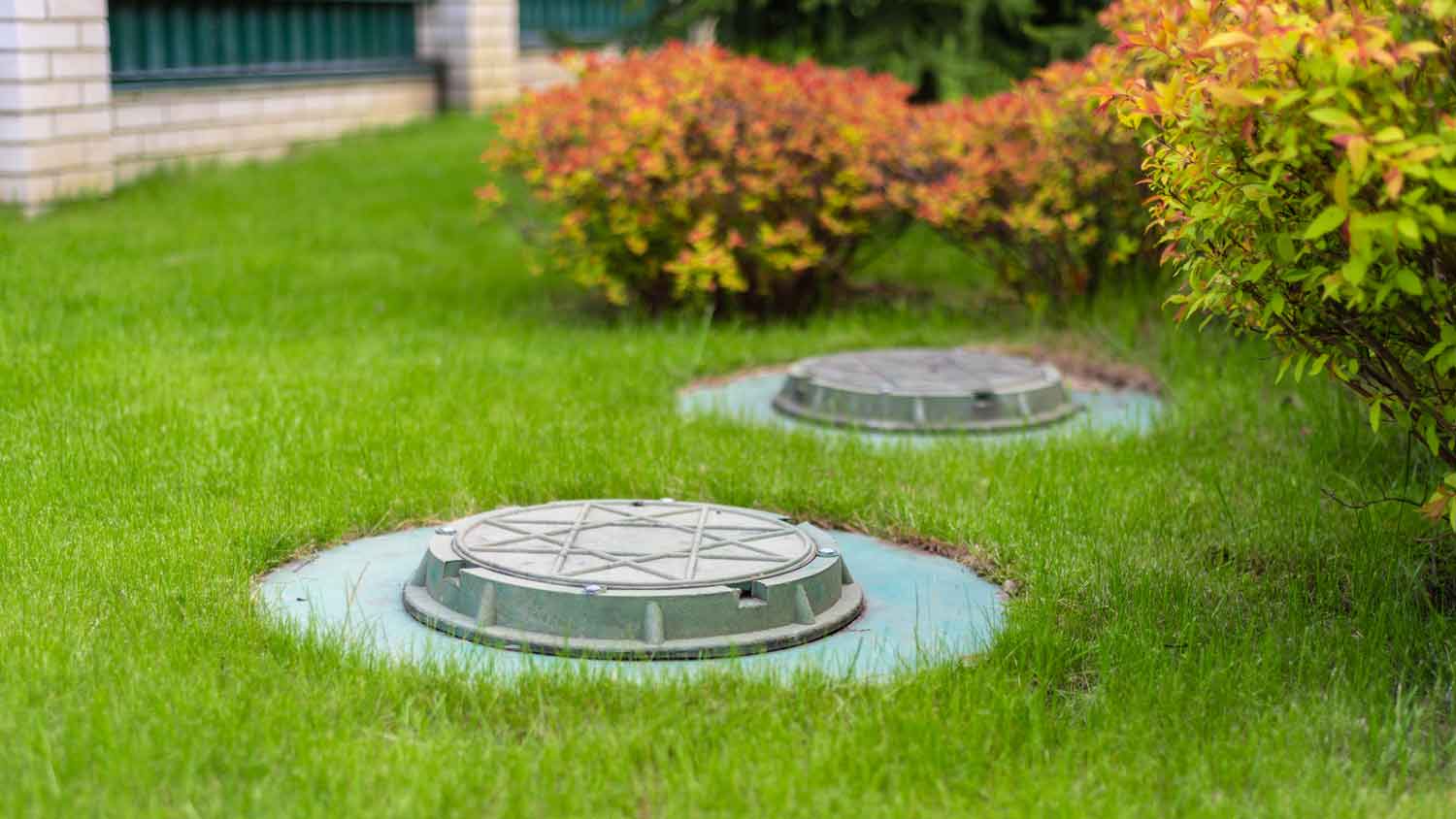
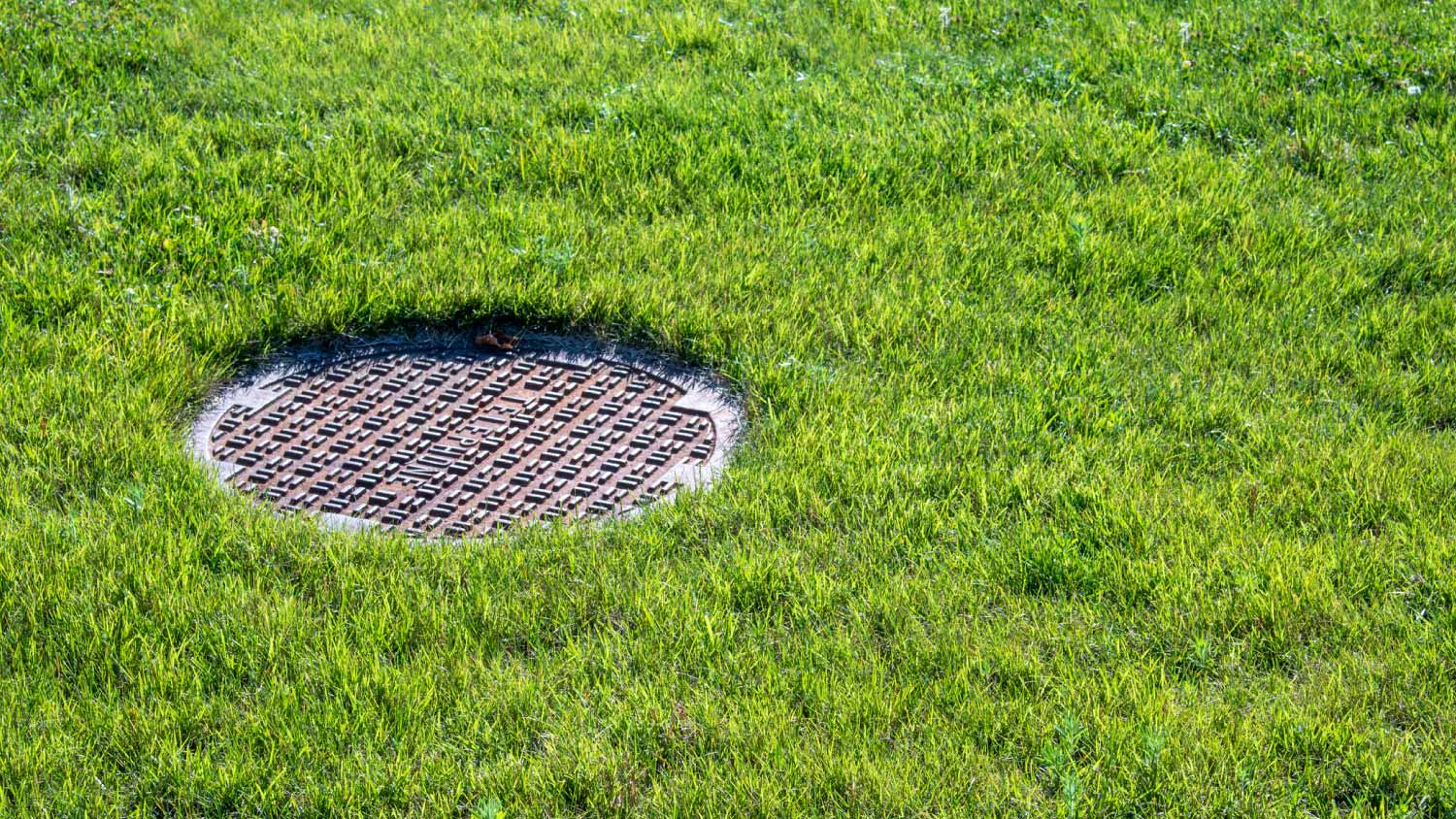
A septic tank riser should extend to just above the ground level or slightly above it. The exact height can vary depending on local regulations and personal preferences, but a common guideline is to have the riser's top flush with or no more than a few inches above the surrounding ground. This height allows for easy access to the septic tank without creating a tripping hazard or obstructing mowing and landscaping activities. It's essential to ensure that the riser lid is easily visible and accessible for regular maintenance and inspection while being mindful of safety and aesthetics.
A leaking well pipe is quite different from if the well itself is leaking. To seal a leaking well, pour a cement mixture or bentonite into the space between the well casing and the borehole wall. The heavier cement collects at the bottom to form a solid seal, pushing lighter materials like mud and fluids up toward the surface. Professional well installation companies have the equipment to do this properly.
Because well water is not artificially filtered or pre-treated, it may contain contaminants. As a result, it’s possible for well water to damage pipes based on what is in the water. Well water can be corrosive, slowly rusting and dissolving pipes, fixtures, and fittings. The corrosion can affect the taste and quality of the drinking water that comes out of the taps in your home.
Digging a well can cost between $20 and $25,000,depending on your needs. If you’re looking to dig a well yourself, all you need is a shovel. If you’re looking to have a well drilled by a professional, you can expect to pay around $15 to $30 per foot. The total cost of drilling a well will average to $5,500.
The Atkinson, NE homeowners’ guide to septic tank services
From average costs to expert advice, get all the answers you need to get your job done.
It’s crucial to install a septic tank with the right volume to avoid wastewater backups. This guide will help you calculate the right septic tank volume.
Septic tank sizes vary depending on the size of your home, how many people live there, how much water you use, and more. Read on to learn how to determine the right size for you.