"Well. Only problem was delay in response time after claim was filed online. Water tank started leaking Thanksgiving morning and no reply until I called the Regional Manager."
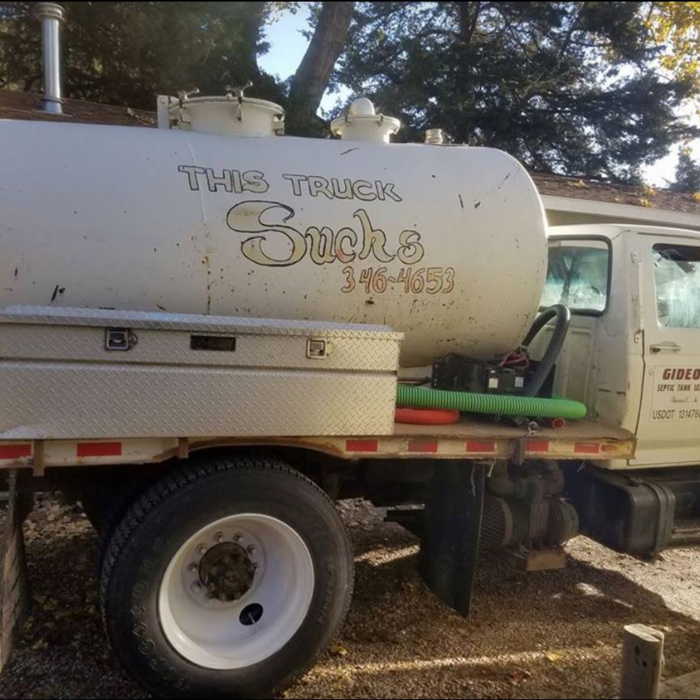
With over 30 years of experience, Gideon Septic Services is dedicated to providing our customers with the best quality and craftsmanship. We are here to build relationships with our customers and communities and to provide our employees with a great place to work.
\n
\nGideon Septic Services is a leader in providing our customers with the highest quality products and craftsmanship in an honest, efficient, and professional way. Our pledge is to create successful relationships with our customers, employees and community by building trust, treating every project with the utmost integrity and exceeding expectations.
\n
\nWe look forward to working with you!
\n
\nWe offer 24/7 emergency services.
"Takes for ever to get a return a call. Also took a week to get someone out for repairs. They said they would reimburse me for septic repairs and it took over 3 months for that to happen."
A well does not run out of water because the groundwater continues to refill with rainwater that seeps through the ground. If the well is too shallow or there is a drought, a well can run dry or be short in supply. It’s important to have a well deep enough to source enough water for your home’s use. Deeper wells tap into more groundwater reserves. If your well is not producing enough water, you may need to redig your well.
Baking soda does very little to nothing for a septic tank, but it can help unclog a drain or clean out a garbage disposal. Rotten tomatoes and yeast are the best ways to increase the bacteria in your septic tank naturally. You can add these to your system once every three months.
While you can drain water softener backwash into a septic tank, doing so may cause several problems. One problem is that increased sodium chloride levels from water softener backwash can kill septic tank bacteria, decreasing the effectiveness of this wastewater treatment system. Another issue is that large calcium deposits can eventually stop up the drain field and lead to poor drainage.
Although cesspits may be necessary depending on your main sewage system access or nearby soil quality, they carry a few drawbacks. Cesspools require regular emptying and have relatively high maintenance and pumping costs. Certain areas also disallow the use of cesspools and may require you to cover the cost of existing cesspools to be converted into septic tanks.
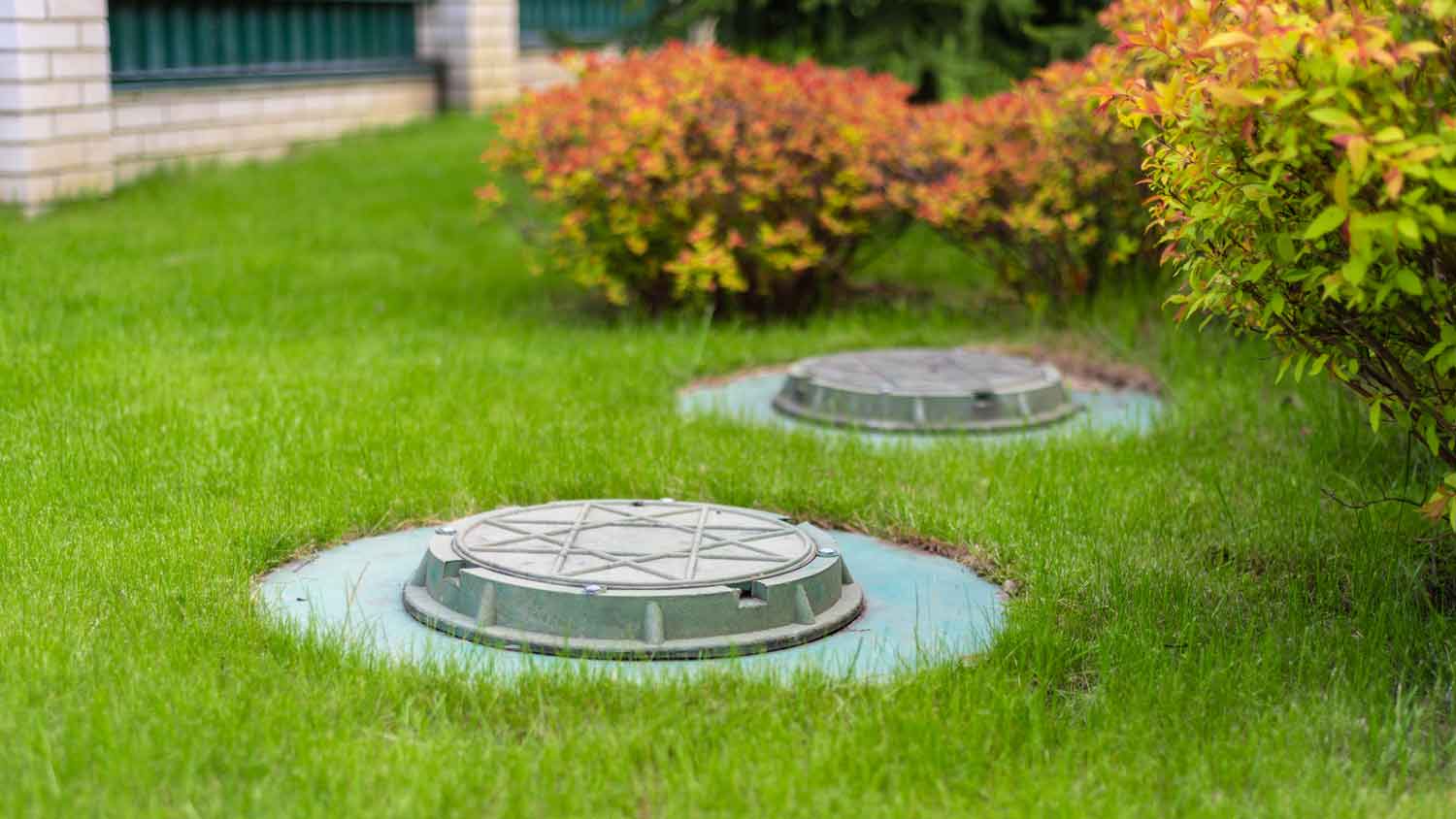
Septic tanks come in multiple shapes, sizes, and materials. However, they’re often round or rectangular in shape and made from concrete, fiberglass, or plastic. There’s a range of septic tank sizes, with the average model measuring 30 to 40 square feet and holding 1,000 to 1,500 gallons of waste.
The Stuart, NE homeowners’ guide to septic tank services
From average costs to expert advice, get all the answers you need to get your job done.
Caring for your septic system is crucial to ensuring its long life. But how much does it cost to pump a septic tank? We explore the different cost factors.
It’s crucial to install a septic tank with the right volume to avoid wastewater backups. This guide will help you calculate the right septic tank volume.
Septic tank sizes vary depending on the size of your home, how many people live there, how much water you use, and more. Read on to learn how to determine the right size for you.