





Top-rated animal fencing pros.

Get matched with top animal fencing pros in Williston, ND

Enter your zip and get matched with up to 5 pros

Need a pro for your animal fencing service project in Williston, ND?

Select your specific project to find the pro for you.

Find Animal fencing pros in Williston

Animal Fencing questions, answered by experts

The best deterrents for possums include securing trash cans with tight-fitting lids, removing outdoor food sources like pet food or fallen fruit, and trimming tree branches that provide access to your roof or an open window. Motion-activated lights or sprinklers can also startle and discourage them from visiting. Additionally, you can take advantage of their strong sense of smell by using garlic, onion, or commercial possum repellents to keep them off your property.

You can often spot a venomous snake by looking for a few key physical characteristics. Venomous snakes typically have bulbous triangular-shaped heads due to their venomous sacks, whereas regular snake heads are more rounded and narrow. A venomous snake will also have narrow slits for pupils, while non-venomous snakes have more rounded pupils. It’s a good idea to familiarize yourself with the venomous snakes that are native to your area, but if you find a snake in your toilet, it’s best to keep a safe distance and call a professional for proper identification and removal.

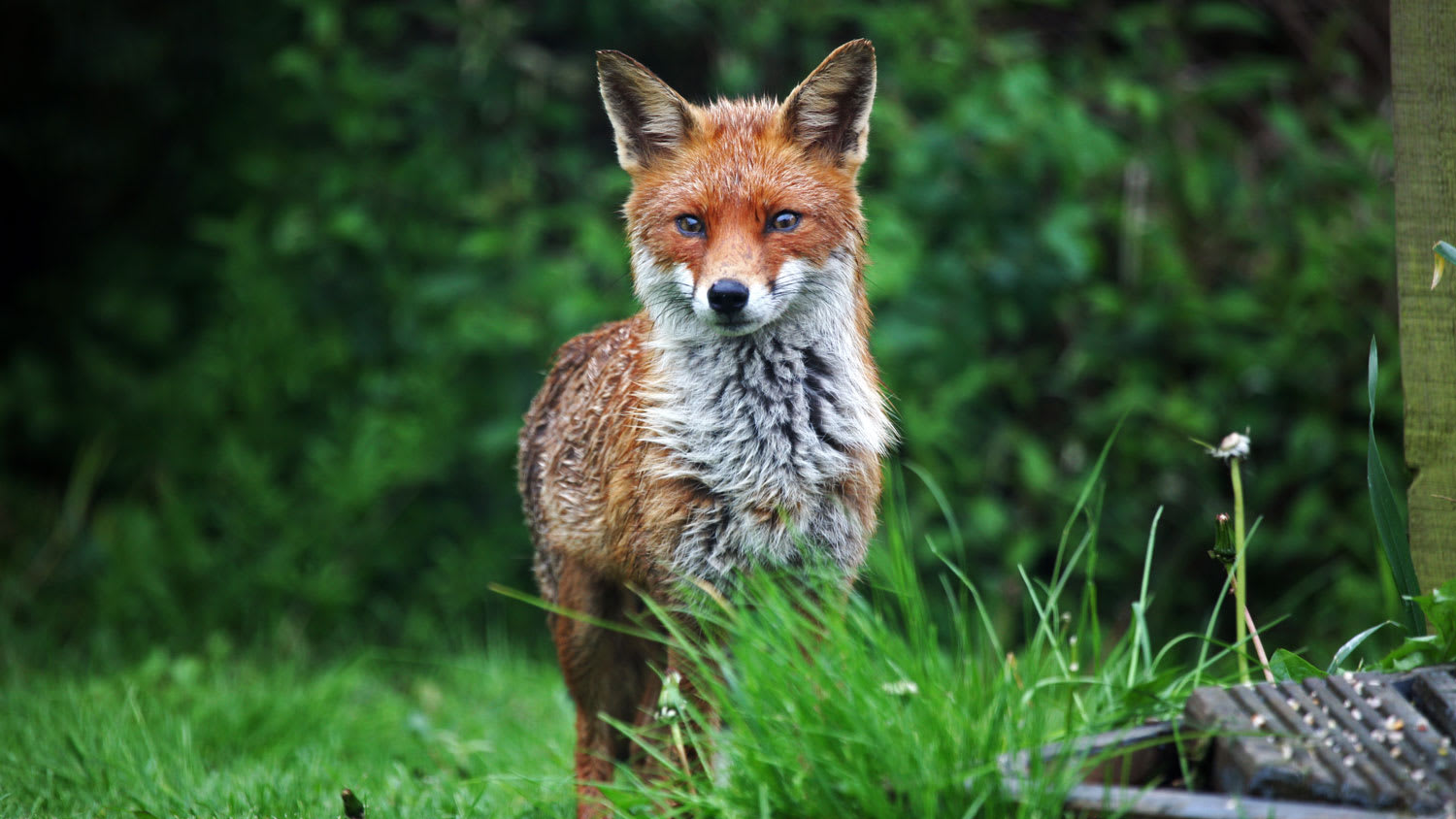
Foxes hate strong scents and sudden disturbances. They dislike the smell of ammonia, vinegar, garlic, chili peppers, and predator urine, which can make an area less appealing. Motion-activated lights and sprinklers also unsettle them, as foxes prefer to avoid sudden movements and bright lights. Additionally, they are wary of loud noises and unexpected sounds.

If a coyote approaches you, never run away, even if it goes against your natural instinct. Make yourself look big, shout loudly, and throw something in the coyote's direction. Be persistent and continue these scare tactics until they move away. Then, you should move away slowly, always facing the coyote.

Groundhogs are most active during the warmer months, from spring through fall. On a daily basis, they exhibit peak activity in the early morning (dawn) and late afternoon (dusk), which are their primary feeding times. They tend to stay in their cool burrows during the hottest, sunniest parts of the day. Groundhogs hibernate during the winter, typically retreating to their dens from October or November until mid to late February.

The Williston, ND homeowners’ guide to animal fencing services

From average costs to expert advice, get all the answers you need to get your job done.