Top-rated animal fencing pros.

Get matched with top animal fencing pros in Wolf Point, MT

Enter your zip and get matched with up to 5 pros

Need a pro for your animal fencing service project in Wolf Point, MT?

Select your specific project to find the pro for you.

Find Animal fencing pros in Wolf Point

Animal Fencing questions, answered by experts

Pest control and wildlife removal are different services. Pest control specialists typically handle insects and bugs, often using chemicals and poisonous sprays for extermination. Wildlife removal professionals, on the other hand, focus on larger animals. They prioritize humane methods like trapping and relocation, using poison only as a last resort. For insect problems, contact a pest control professional; for issues with other animals, an animal or wildlife removal specialist is the correct choice.

While possums don’t typically carry rabies, they can have lice, fleas, ticks, and mites. According to the University of California’s Pest Management Program, possums can also carry diseases like leptospirosis, tuberculosis, toxoplasmosis, coccidiosis, and fevers. Possums are also the carriers of a parasite that can pass to horses and cats called Equine Protozoal Myeloencephalitis (EPM).

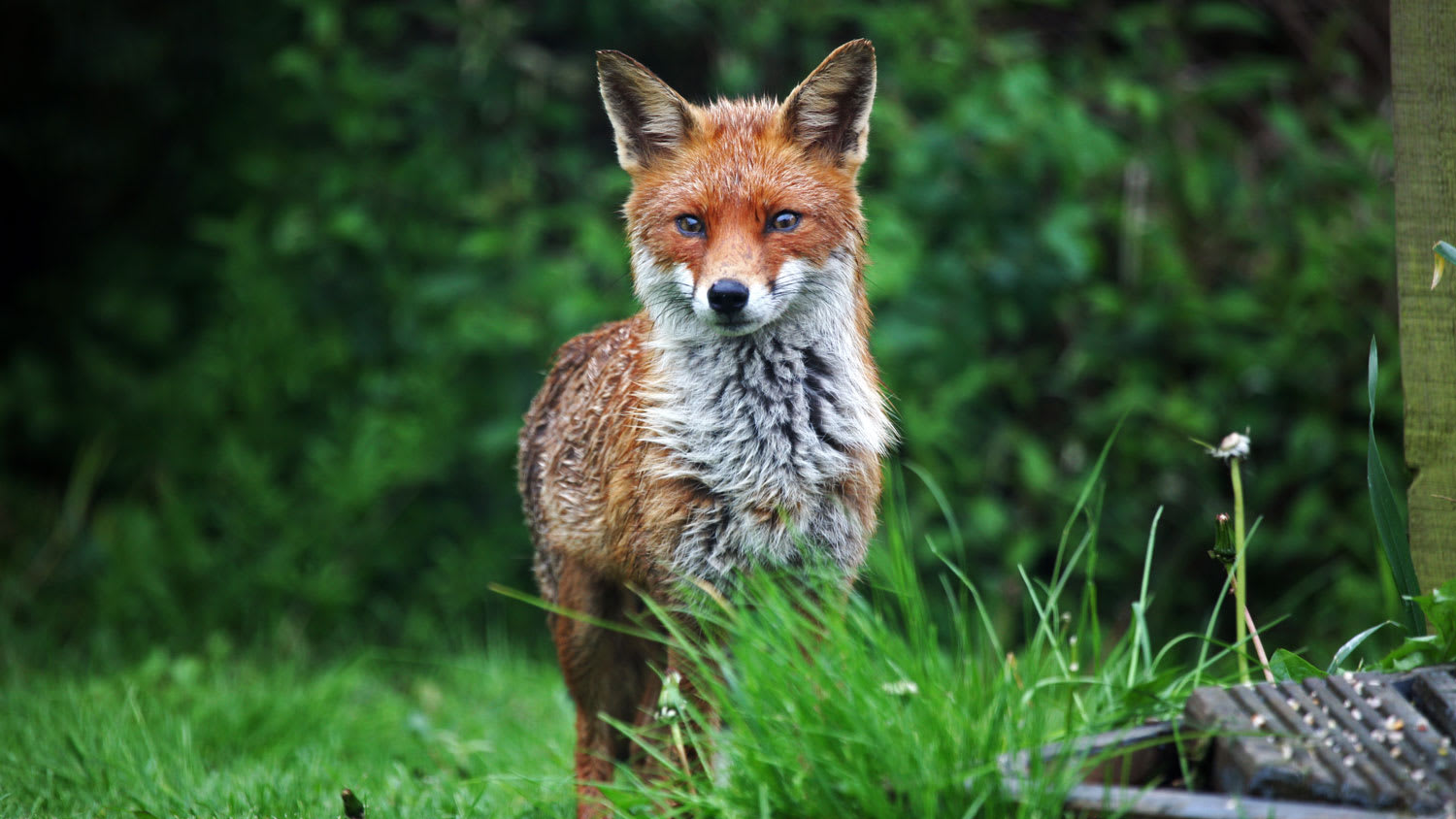
Foxes hate strong scents and sudden disturbances. They dislike the smell of ammonia, vinegar, garlic, chili peppers, and predator urine, which can make an area less appealing. Motion-activated lights and sprinklers also unsettle them, as foxes prefer to avoid sudden movements and bright lights. Additionally, they are wary of loud noises and unexpected sounds.

While doggie doors are convenient for pet owners, they do offer a few drawbacks. For instance, they’re small enough that unwanted critters could come into the house, such as raccoons, snakes, rats, and insects.

They’re also large enough that small children can escape through them, which can be a serious concern to parents of young children.

Finally, doggie doors can make it difficult to regulate your home’s temperature because they constantly let in hot or cold outside air.

Groundhogs are most active during the warmer months, from spring through fall. On a daily basis, they exhibit peak activity in the early morning (dawn) and late afternoon (dusk), which are their primary feeding times. They tend to stay in their cool burrows during the hottest, sunniest parts of the day. Groundhogs hibernate during the winter, typically retreating to their dens from October or November until mid to late February.

The Wolf Point, MT homeowners’ guide to animal fencing services

From average costs to expert advice, get all the answers you need to get your job done.