With over 30 years of experience in the fence industry, we are the experts you need to take care of your home or business. We handle everything from chain link to wood fence installs and repair work. We will treat your home as we would treat our own. Give Fence Pro a call today, we look forward to working with you!
Raccoons can spread viruses and bacteria to humans and pets, including rabies, canine and feline distemper, parvovirus, Salmonella, and leptospirosis. These can all cause a range of illnesses.
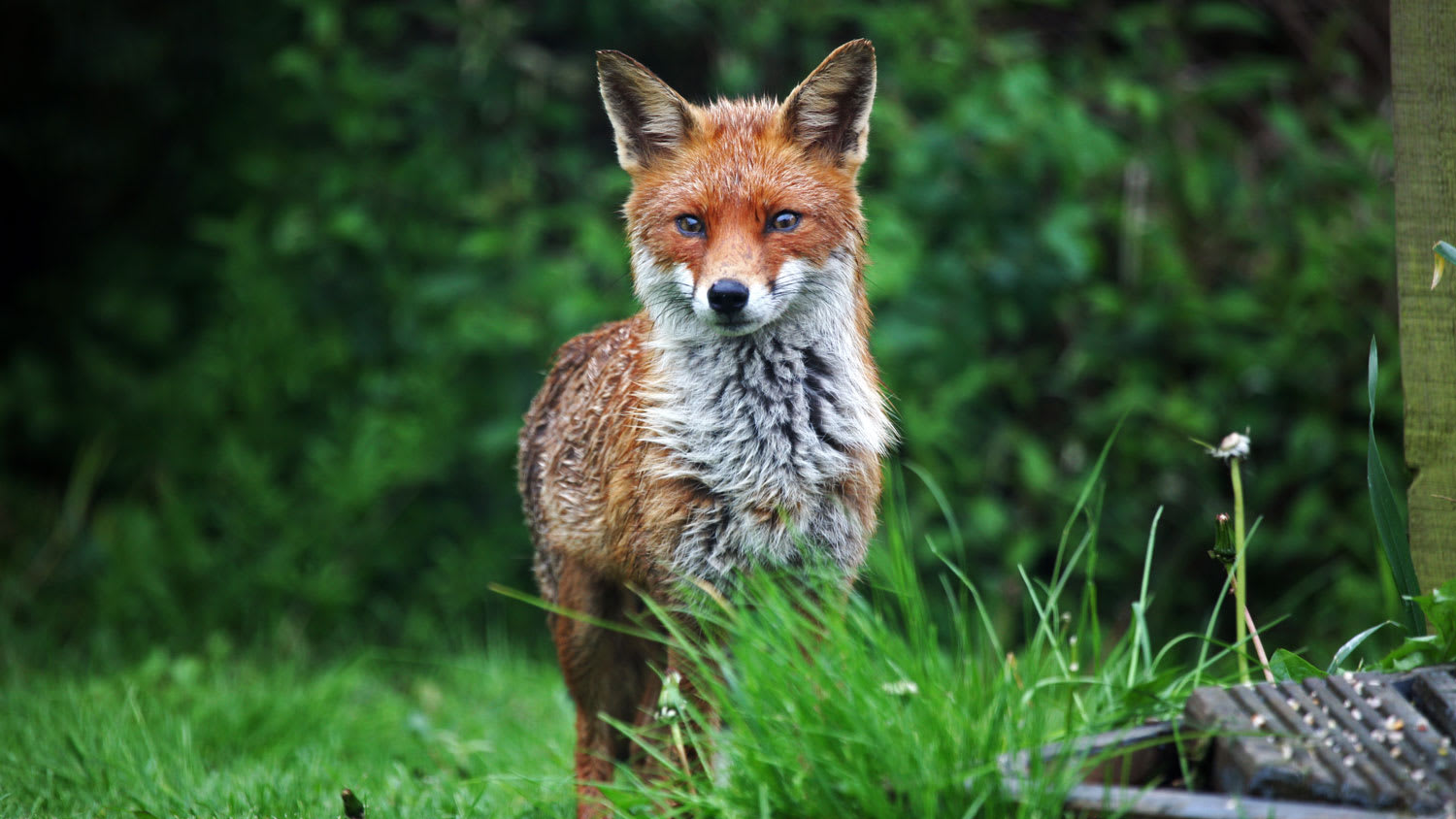
While foxes may find them unpleasant, mothballs are not an effective deterrent. Additionally, mothballs are toxic for humans and animals and should never be used outside. They contain naphthalene or paradichlorobenzene, which are very harmful to the environment. Use safer, more reliable deterrents, or hire a professional wildlife control expert.
Although raccoons aren’t particularly picky regarding food, certain sounds, metals, and smells bother them. You can place these items around your home to keep raccoons away:
Place wire mesh screens around and underneath decks and porches to prevent raccoons from nesting.
Put metal sheeting around the edges of your roof or at the base of trees to deter raccoons from coming close.
Place a loud battery-operated radio near the raccoon’s den to keep them from nesting.
Keep a bowl of cider vinegar on your deck or porch.
Remove old raccoon scents by thoroughly cleaning and disinfecting underneath porches and decks.
Raccoons in a chimney sound like thumping, rustling, scratching, or scurrying. Because they can weigh as much as 20 pounds, they make noises that are noticeable and hard to miss. Plus, they have an average litter size of 3 to 7 kits, so you may hear what sounds like multiple animals thumping, rustling, scratching, or scurrying.
This varies based on the circumstance. Chemical-based pest control baits and poisons are usually the most potent, but they are unsafe to use around children and pets, so they won’t be a fit for every household.
Safer alternatives, such as boric acid and food-grade diatomaceous earth, can work as well, though they should still stay out of reach. Aside from that, the best thing any DIY-er can do is make their place uninviting by sealing off entry points, eliminating clutter, and maintaining a clean home.
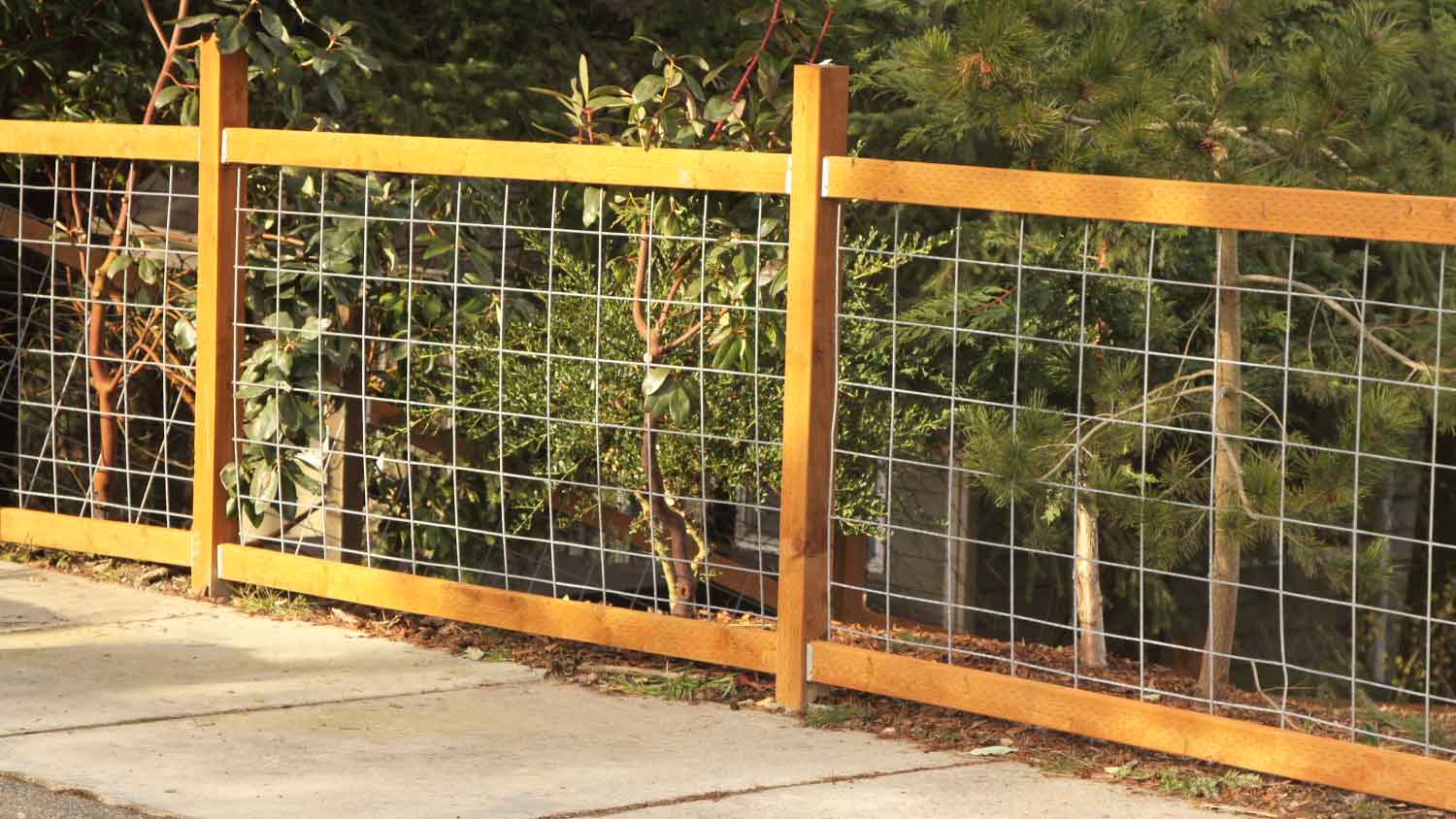
The Killdeer, ND homeowners’ guide to animal fencing services
From average costs to expert advice, get all the answers you need to get your job done.
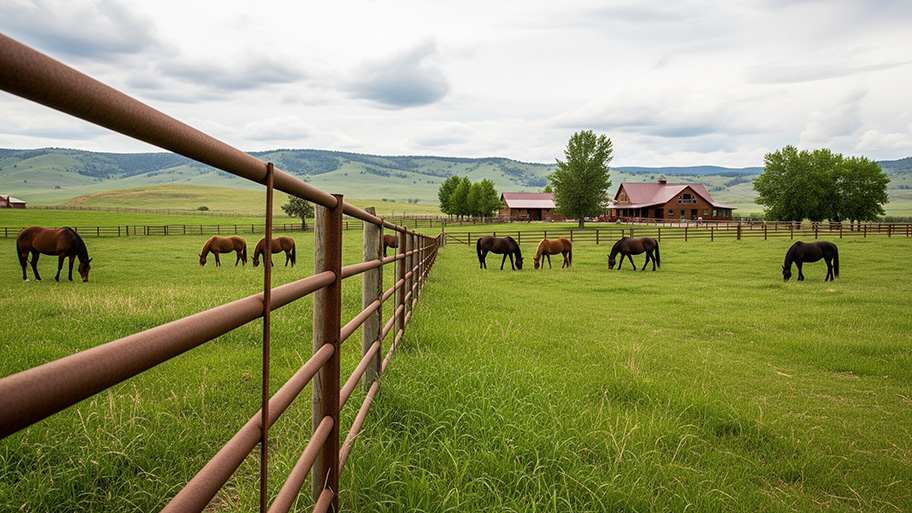
Pipe fencing is an extremely strong, durable option for containing horses and other livestock. This guide breaks down the factors that affect pipe fence cost.