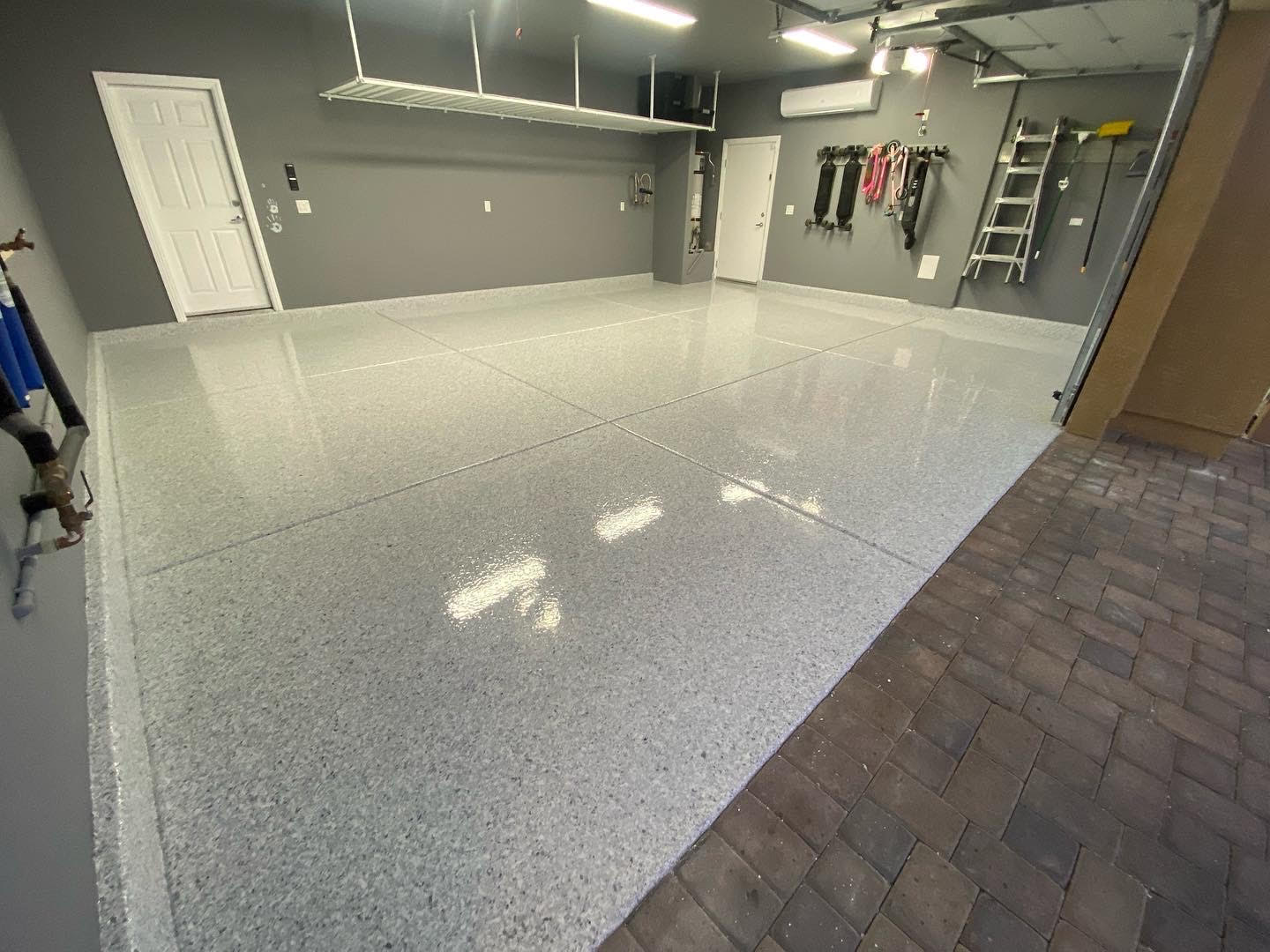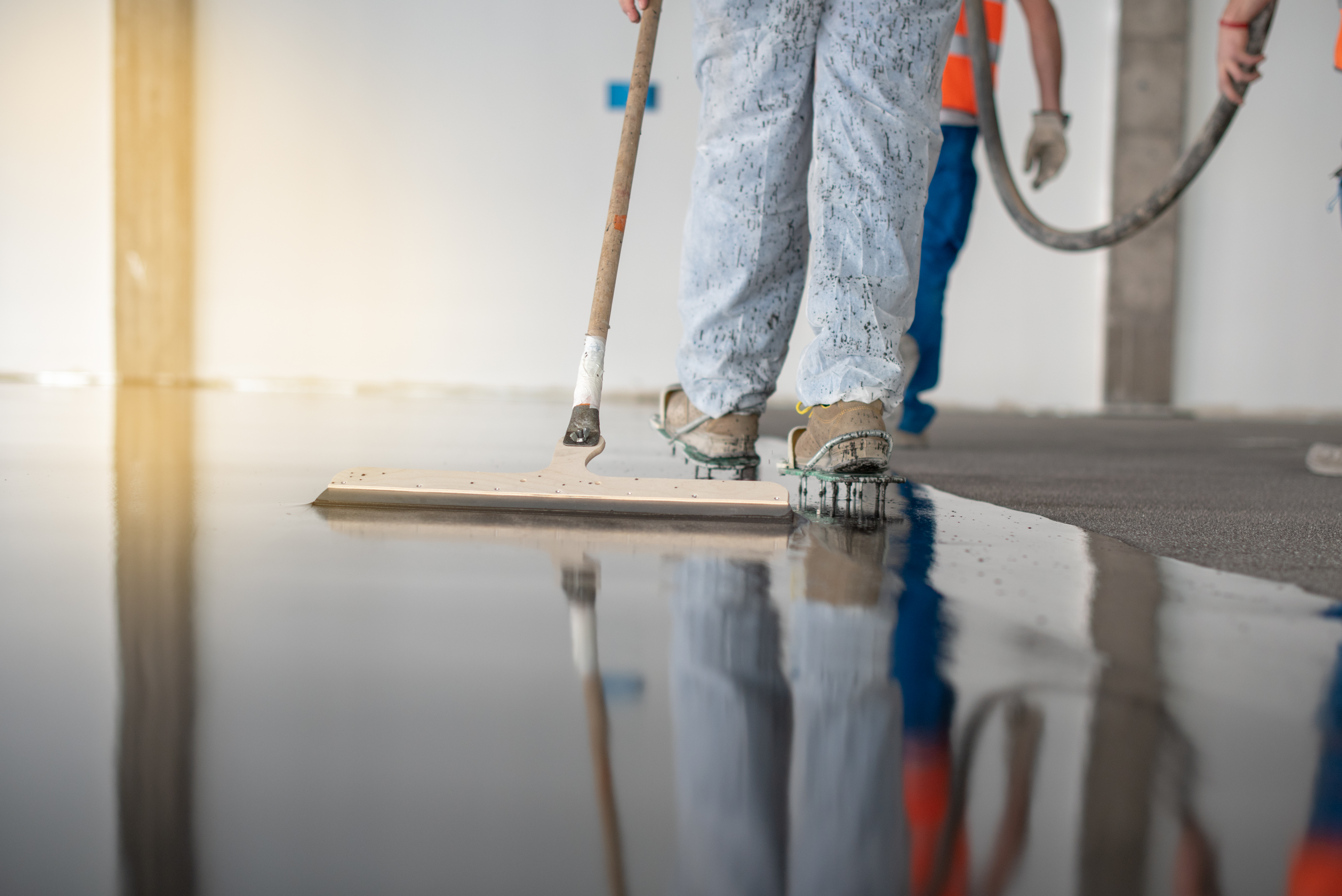




Top-rated epoxy flooring pros.

Get matched with top epoxy flooring pros in Saint Michael, ND

Enter your zip and get matched with up to 5 pros

Need a pro for your epoxy flooring service project in Saint Michael, ND?

Select your specific project to find the pro for you.

Find Epoxy flooring pros in Saint Michael

Mike and Martin's Asphalt Paving and Sealcoating
4.0(
1
)
Concrete Finishing, Overlays & Coloring - ApplyConcrete Floor Coating-ApplyConcrete Floor Coating-Apply - For Business

Serving Saint Michael, ND and surrounding areas

In business since 1976

Free estimates

We are a locally owned and operated company that values honesty, integrity and treats your home as if it were our own. We offer a variety of general contractor services that are customizable to each individual project. You will find us to be competitively priced, paying close attention to the details of each and every project that we are involved with. We look forward to building lasting relationships and guarantee your satisfaction!

Response time8 hrs
Response rate88%
Recommended by100%of homeowners
Epoxy Flooring questions, answered by experts

The amount of paint needed to cover a two-car garage floor depends on the surface area and the product's coverage rate. On average, a standard two-car garage floor measures 400 to 500 square feet. Coverage ranges from 100 to 200 square feet per gallon for epoxy paint, depending on the product and application method. After some quick math, you may need 2 to 5 gallons of epoxy paint with two coats to cover a two-car garage floor. 

Epoxy and polyurethane sealers can last five to 10 years, while acrylic sealers last two to three years or more depending on the use, wear of the surface, and type of sealer you choose. Areas that see heavy traffic or extreme ice and snow may require more frequent sealing. Test your concrete every two years to gauge how it responds to absorbing water or if it fully repels it for longer than 20 seconds.

Garage floor sealers last anywhere from one to 10 years on average, depending on the type of sealer you use and the traffic it’s exposed to. Acrylic sealers have the shortest longevity, whereas most other options can last anywhere from five to 10 years. If you use an acrylic sealant to protect against stains, reapply every one to two years. Reapply other types of concrete sealers every five years for the best results and maximum protection.

Mix the resurfacer into a sticky mixture. The consistency should look like mashed potatoes. Use a squeegee to push the resurfacer across the pitted area and smoothen the surface with a cement trowel flush. Make sure you protect any expansion joints with a weather strip. Alternatively, cut out any resurfacer that touched the joint once the mixture begins to harden.

Yes, you can seal old or existing concrete, but proper preparation is crucial. The concrete surface must be clean, dry, and free of any incompatible old sealant. To check if an old sealer is present, drip a few drops of water onto the surface; if the water is absorbed in under five minutes, it's ready to be resealed. If you plan to use the same type of sealer that was previously applied, you may not need to remove the old layer. However, if you are using a different type of sealer, the old one must be completely removed. Before applying the new sealer, thoroughly clean the concrete and repair or fill any cracks to ensure a smooth, well-prepared surface.

The Saint Michael, ND homeowners’ guide to epoxy flooring services

From average costs to expert advice, get all the answers you need to get your job done.