


Top-rated plant watering pros.

Best plant watering pros near Mapleton, ND

Enter your zip and get matched with up to 5 pros

Need a pro for your plant watering project in Mapleton, ND?

Select your specific project to find the pro for you.

TRUSTED BY MAPLETON, ND HOMEOWNERS

  • Average homeowner rating star icon4.2
    Average homeowner rating
  • Verified reviews icon66
    Verified plant watering services reviews

Top-Rated Plant watering pros in Mapleton - Updated Nov 2026

Avatar for Accelerated Green Works
Accelerated Green Works
4.8(
22
)
Lawn Care - Maintain and Mow a Lawn

Serving Mapleton, ND and surrounding areas

In business since 1995

Emergency services offered

Credit card accepted

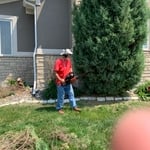
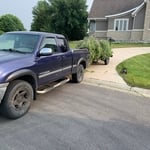
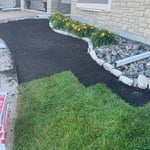
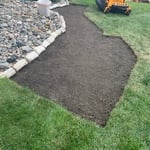
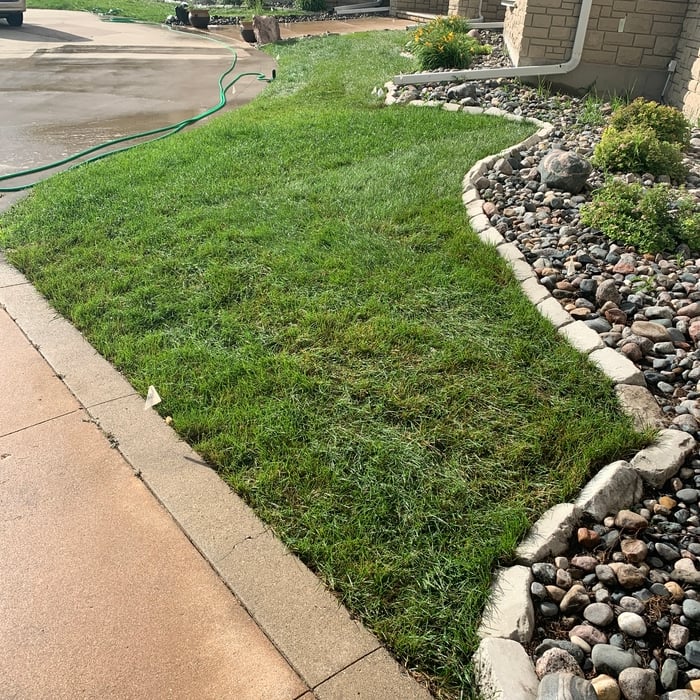
"This company is excellent to work with. Very professional and they do a thorough job. Excellent communication with the customer. Did a great job with clean up as well. Could hardly tell where they put the drain in. My neighbors were very impressed as well."
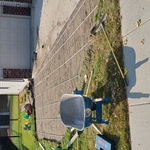
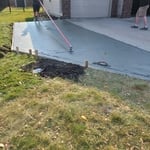
Additional Photos
Additional Photos
Additional Photos
Additional Photos
Hardscape

+4

Recommended by95%of homeowners
Avatar for Dynasty Snow & Lawn Care
Dynasty Snow & Lawn Care
5.0(
4
)
Lawn Care - Maintain and Mow a Lawn

Serving Mapleton, ND and surrounding areas

In business since 2023

Free estimates

Credit card accepted

"Exceptional customer service. Always on time and if there was adverse weather, they would come check on it to see if they should proceed or not, and would inform me with a phone call. Very detailed, neat and well done lawn care. Snow Removal was outstanding made sure that they always worked all night so that everybodyâ  s would be ready for morning. They always made sure they came back and cleaned up the snow and ice from the street plows. Best Service Iâ  ve had in a very longtime!"
Response time1 day
Recommended by100%of homeowners
Showing 1-10 of 41
Plant Watering FAQs, answered by experts

On average, drywall installation costs around $2,000, with a typical range of $400 to $6,000, including materials and labor. The final price depends on several factors. The most significant is the size of the area, as many contractors charge per square foot. Other cost factors include the complexity of the job (e.g., cutting around multiple windows and doors, corners, or curved walls), accessibility, location, the thickness of the drywall, the height of the room, and the desired level of finish. The level of finish can range from simply hanging the drywall to taping and mudding the seams and painting the walls.

It doesn’t matter which way you lay drywall, and you can choose to install it horizontally or vertically depending on the size of the wall and how tall the ceiling is. It’s easier to lay drywall sheets vertically if you have a taller ceiling, but laying sheets horizontally makes it easier to apply joint compound.

There are six levels of drywall finish, from 0 to 5, that refer to the amount of work performed during the finishing process.

Level 0: Drywall is hung with no finishing work.

Level 1: Tape is placed over the seams between drywall sheets.

Level 2: A thin layer of mud is applied over the tape and screw holes. This level is common for utility rooms or walls that will be covered.

Level 3: A full coat of mud covers the screw holes and tape, but the surface is not sanded. This is often used in garages.

Level 4: This is the most common finish for visible interior walls. It involves applying two coats of mud over seams and screw holes, with sanding between each coat, creating a smooth surface ready for flat paint.

Level 5: This is a high-end finish for luxury homes. It includes full taping, mudding, and sanding, plus a final skim coat over the entire surface before painting.

There are a few ways to figure out if your walls are plaster or drywall, but the pushpin method is probably the easiest option. To try it, choose a part of your wall where you can insert a pushpin or thumbtack without leaving an obvious mark. If it goes in easily, you have drywall. But if the wall is tough to penetrate, that’s plaster.

If the holes in the plaster are small, you can fill them with layers of patching plaster until they’re filled. After it dries, you can sand the plaster and paint over it. If the hole is much larger, consider using bonding plaster first and then a layer of patching plaster, completing the process with sanding and a layer of paint.

The Mapleton, ND homeowners’ guide to plant watering services

From average costs to expert advice, get all the answers you need to get your job done.