



Top-rated plaster repair specialists.

Get matched with top plaster repair specialists in Tyner, NC

Enter your zip and get matched with up to 5 pros

Need a pro for your plaster repair project in Tyner, NC?

Select your specific project to find the pro for you.

TRUSTED BY TYNER, NC HOMEOWNERS

  • Average homeowner rating star icon4
    Average homeowner rating
  • Verified reviews icon10
    Verified plaster repairs reviews

Find Plaster repair specialists in Tyner

Avatar for A to Z Renovations, LLC
A to Z Renovations, LLC
4.7(
34
)
Plaster - InstallPlaster - Install - For BusinessPlaster - Repair+1 more

Serving Tyner, NC and surrounding areas

Approved

In business since 2017

Free estimates

Warranties offered

"A to Z came in and did a beautiful job on all of our plaster repair. They were respectful of our home and were very professional in every way. We will definitely use them again if needed. Thank you Angela and your employees. Don and Patti Beatty"
Projects
Projects
Projects
Projects
Projects

+46

Response time9 hrs
Recommended by100%of homeowners
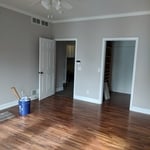
Showing 1-10 of 23
Plaster Repair questions, answered by experts

Common causes include water leaks, settling, and impact. Address underlying issues to prevent recurring damage.

The tool you use to sand plaster will depend on the size of the project. If you’re just working on a small section of your wall to get rid of an uneven spot on the surface, hand-sanding might work. However, for larger projects, a drywall sander can make a huge difference when it comes to both time and elbow grease—and an orbital sander can help for detailed areas such as around ceiling fans.

Many services include repainting to match the existing surface. Confirm with your provider.

If the holes in the plaster are small, you can fill them with layers of patching plaster until they’re filled. After it dries, you can sand the plaster and paint over it. If the hole is much larger, consider using bonding plaster first and then a layer of patching plaster, completing the process with sanding and a layer of paint.

Plastering and skimming are two different techniques for finishing walls. Plastering involves applying a thick layer of a plaster mixture—typically containing gypsum, lime, cement, sand, and water—to create a new surface. This process often requires multiple coats and is used for repairing significant damage or creating decorative textures. Skimming, on the other hand, is a technique that involves applying a thin layer of drywall compound or joint compound over an existing surface to smooth it out, covering minor imperfections, small cracks, or uneven textures for a polished look. Plastering is generally more costly and labor-intensive than skimming. Although some people use the terms interchangeably, they refer to different processes and materials.

The Tyner, NC homeowners’ guide to plaster repairs

From average costs to expert advice, get all the answers you need to get your job done.