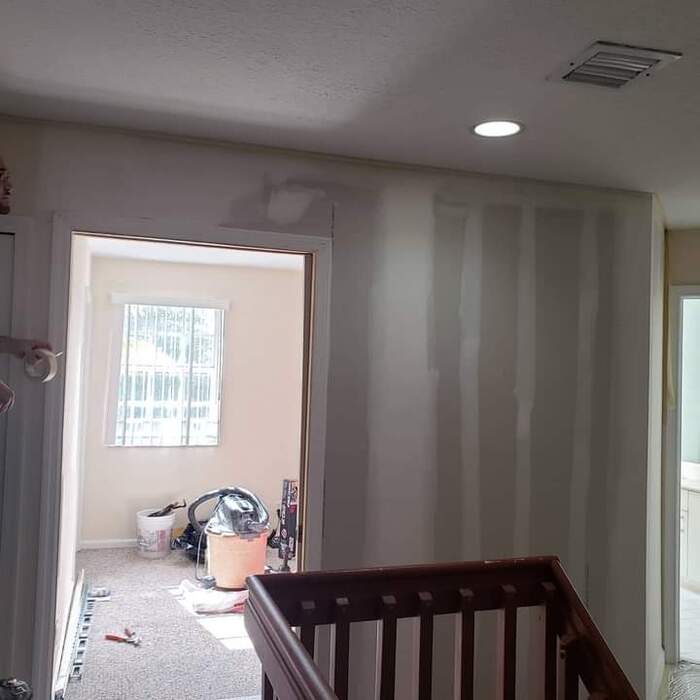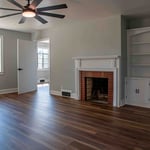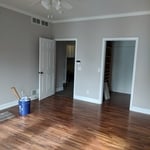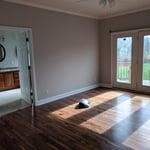



Top-rated drywall pros.

Get matched with top drywall pros in Sophia, NC

Enter your zip and get matched with up to 5 pros

Need a pro for your drywall service project in Sophia, NC?

Select your specific project to find the pro for you.

TRUSTED BY SOPHIA, NC HOMEOWNERS

  • Average homeowner rating star icon4.7
    Average homeowner rating
  • Verified reviews icon39
    Verified drywall services reviews

Find Drywall pros in Sophia

Avatar for Humphrey Drywall & Paint
Humphrey Drywall & Paint
4.0(
31
)
Drywall - Repair

Serving Sophia, NC and surrounding areas

Approved

In business since 2010

Free estimates

Credit card accepted

"Brian Humphrey came out to give me an estimate on repair and replacement of drywall and interior painting. I needed this work done after another contractor did extremely poor work and ultimately stopped showing up to complete the job despite being paid in full. My home was left in shambles. Brian spent time answering all my questions and carefully explained how he would remedy my situation. He inspired confidence that he would be able to help me after everything I had been through. I had attempted to contact 15 other contractors. Only 3 came out to look at the job. Of those 3, only Humphrey was willing to put an estimate in writing. Every one of those other contractors was found on either Home Advisor or Angieâ s List. Brianâ s crew started the work when he said they would. Throughout the process the 2 gentleman I worked with were professional, fast, clean and thorough. The job was completed on time and on budget. I canâ t stress enough how enthusiastically I recommend Humphrey Drywall and Paint."
Basement renovation
Basement renovation
Basement renovation
Basement renovation
Basement renovation

+15

Response time3 days
Recommended by95%of homeowners
Avatar for Homeworx Home Improvement & Handyman
Homeworx Home Improvement & Handyman
5.0(
3
)
Drywall - Repair

Serving Sophia, NC and surrounding areas

Approved

In business since 2018

Free estimates

Small jobs welcome

We pride our company on reliability, great communication, integrity, and quality work. We are experts in our trade and will do our best to keep you as educated as we can on your particular task or project. We look forward to earning your business! Book with us online or feel free to give us a call today!

Response time5 hrs
Recommended by100%of homeowners
...
Showing 1-10 of 233
Drywall questions, answered by experts

If you only have tiny holes in your drywall (for example, dents or nail marks), you probably won’t need a patch kit. Instead, you can plug the hole with a small amount of spackle. Once the spackle dries, you can sand the area and paint over it—just like you would in the steps outlined above.

Yes, any parts of drywall that are wet or overly moist will need to be replaced. Drywall is intended to be dry (it’s in the name, after all.), as excess moisture can lead to mold and mildew and eventually corrode your home’s foundational building pieces. Do regular inspections in your home to make sure all your plumbing is intact and in good condition—this will go a long way toward preventing leaks.

Furring strips, thin strips of wood or metal, are not always required for ceiling drywall installation. If the ceiling surface is even and in good condition, drywall can be directly attached to the ceiling joists using screws. However, furring strips become essential when dealing with irregular surfaces or when additional insulation or soundproofing is needed. They create a level substrate for attaching the drywall. Ultimately, the decision to use furring strips depends on the condition of the existing ceiling and the specific requirements of the project.

Although they have similar applications, spackle and joint compound are not the same. Their primary differences lie in their composition, consistency, and ideal use cases.

Spackle is composed of gypsum and binding agents, making it thicker than joint compound. It dries quickly and is easy to sand, which makes it ideal for small wall repair projects like filling nail holes or patching minor damage.

Joint compound, also known as drywall mud, consists of limestone and gypsum. It is primarily used for large-scale projects, such as taping and finishing the seams on newly installed drywall. It tends to shrink more than spackle and can be more difficult to spread.

While both products can be used to fill small depressions and cracks, spackle cannot replace joint compound for taping and mudding new drywall. Conversely, you can often use joint compound for small patching jobs typically done with spackle.

Yes, you can install drywall over plaster, but there are important factors to consider. While it can create a smooth, flat surface, it is often not the best approach. Installing drywall over plaster will increase the wall's thickness, which can cause issues with existing window and door frames that may no longer fit. You might also need to adjust power outlets to keep them accessible. A better, though more expensive, option is to remove the old plaster and lath entirely before installing new drywall. Drywalling directly over plaster seals in the old material, and if any problems arise later, you will need to remove both layers down to the structural beams for repairs. Given the potential complications, this job is best handled by professionals.
The Sophia, NC homeowners’ guide to drywall services

From average costs to expert advice, get all the answers you need to get your job done.