


Top-rated excavation pros.

Get matched with top excavation pros in Mount Gilead, NC

Enter your zip and get matched with up to 5 pros

Need a pro for your excavation project in Mount Gilead, NC?

Select your specific project to find the pro for you.

Find Excavation pros in Mount Gilead

M&D Property Solutions
4.5(
23
)
Building Site - Preparation and ClearingBuilding Site - Preparation and Clearing - For BusinessLandscape - Minor Grading or Resloping

Serving Mount Gilead, NC and surrounding areas

Approved

In business since 2017

Emergency services offered

Warranties offered

"Needed fencing installed to keep groundhogs from taking up residence under our deck. Brady came up with a creative and complete solution that made sure the varmints were out and would not return. Would use again."
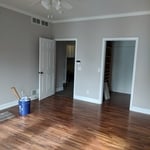
Master bedroom
Master bedroom
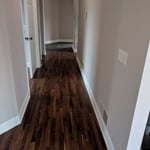
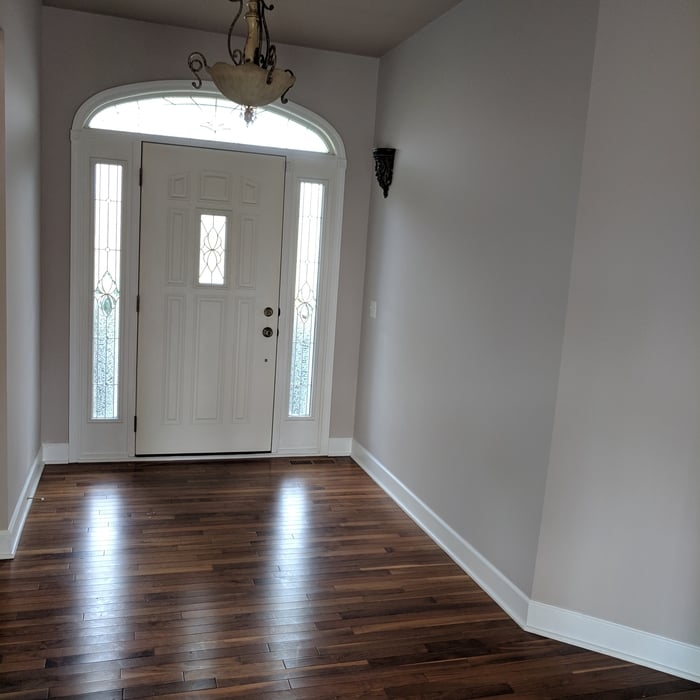
Front hall
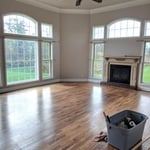
Living area
Entry

+10

Response time1 day
1 neighbors recently requested a quote
Recommended by100%of homeowners
Avatar for Cabrera's
Cabrera's
New to Angi
Building Site - Preparation and Clearing

Serving Mount Gilead, NC and surrounding areas

Approved

In business since 2016

Free estimates

Credit card accepted

Cabrera's, is committed to excellence every aspect of our business. We uphold a standard of integrity bound by fairness, honesty and responsibility in all of our jobs. We are a locally owned and operated business with more than 2 years of experience serving Asheboro, NC and surrounding areas. There is no job too big, or too small for our team. Call today and let us put our experience to work for you!\n

Response time3 days
...
Showing 1-10 of 71
Excavating questions, answered by experts

Most residential basements are 8 to 10 feet deep. You can dig deeper depending on building codes, but it does become more difficult. You’ll likely need to install stronger foundation walls and additional supports to handle the increased load. Depending on the water table, you may also need a water management system. Clay soil can support a deeper foundation than sandy soil. A structural engineer will be able to tell you the maximum, feasible depth.

Sewer lines can be buried anywhere from 18 inches to 8 feet deep, with a common average depth between 18 and 30 inches. The exact depth depends on local factors like climate and soil type. In colder regions, pipes must be buried deeper (below the frost line) to prevent freezing, sometimes as deep as 8 feet. The digging depth can also impact the cost of sewer line replacement. To find the specific depth for your property, you can check the building plans for your system, which should be on file with your city or local sanitation department since permits are required for installation.

In the United States, a depth of 36 inches (three feet) for underground water lines is the accepted industry standard. This depth varies from location to location based on local conditions. In areas with colder winters, they may be buried deeper to prevent frozen well water pipes : This is usually at least six inches below the frost level. The International Plumbing Code calls for a minimum of 12 inches below grade.

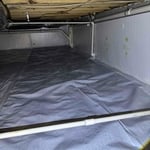
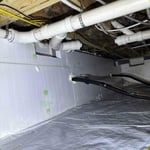
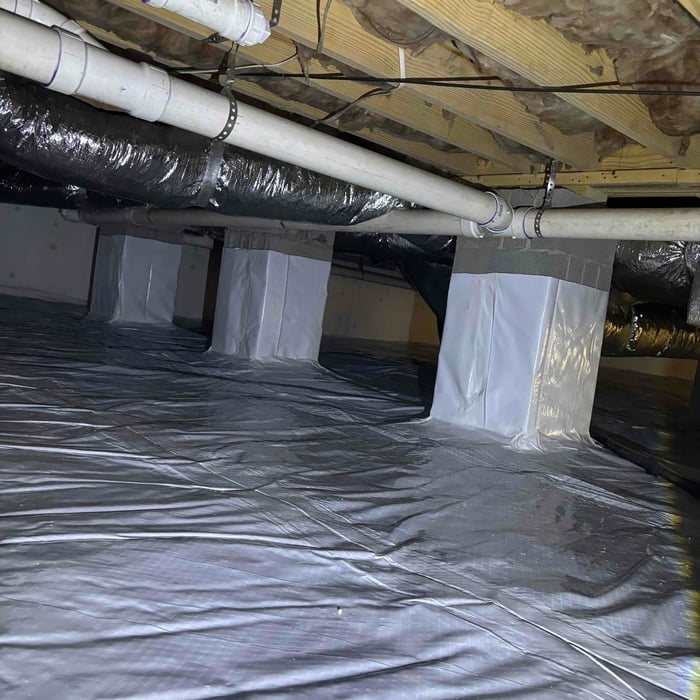
If you don’t wish to dig it out and convert it into a finished basement, you can still encapsulate your crawl space to protect it from damage for an average cost of $5,500. Finishing a crawl space beyond this isn’t really worthwhile, as the low ceilings mean you won’t be able to use the area as living space.

Concrete blocks are the cheapest way to base a shed. However, the space in between allows critters to go under, burrow, and even damage your shed’s frame. For a more pest-proof option, consider building a shed base with gravel or paver stones. Both options are fairly affordable and easy enough for a DIY project. For gravel, you can build a wooden frame to contain the loose material.

The Mount Gilead, NC homeowners’ guide to excavation services

From average costs to expert advice, get all the answers you need to get your job done.