

Top-rated excavation pros.

Get matched with top excavation pros in Rockingham, NC

Enter your zip and get matched with up to 5 pros

Need a pro for your excavation project in Rockingham, NC?

Select your specific project to find the pro for you.

Find Excavation pros in Rockingham

M&D Property Solutions
4.5(
23
)
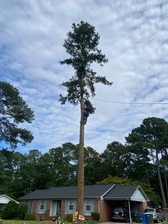
Building Site - Preparation and ClearingBuilding Site - Preparation and Clearing - For BusinessLandscape - Minor Grading or Resloping

Serving Rockingham, NC and surrounding areas

Approved

In business since 2017

Emergency services offered

Warranties offered

"Needed fencing installed to keep groundhogs from taking up residence under our deck. Brady came up with a creative and complete solution that made sure the varmints were out and would not return. Would use again."
Master bedroom
Master bedroom
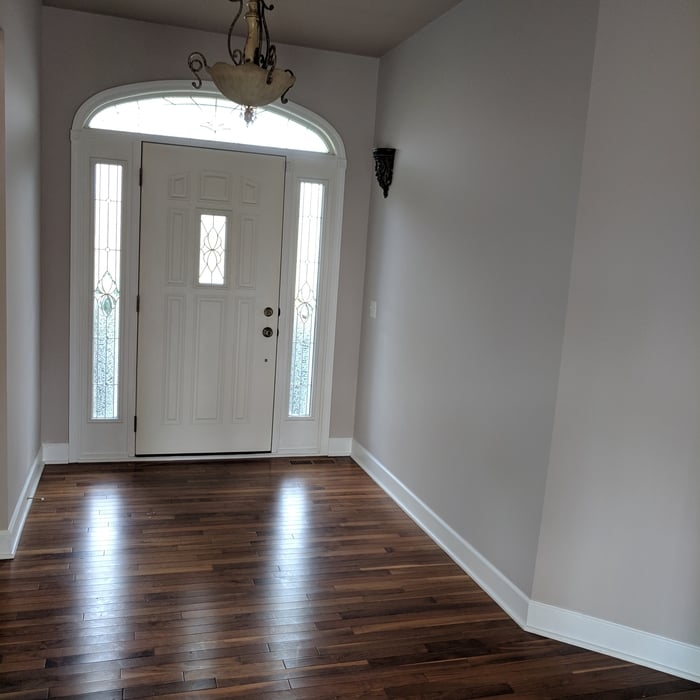
Front hall
Living area
Entry

+10

Response time1 day
1 neighbors recently requested a quote

Recommended by100%of homeowners
Avatar for TimberClaw Land Management
TimberClaw Land Management
5.0(
6
)
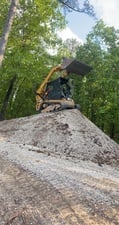
Building Site - Preparation and ClearingExcavation - Major Grading or ReslopingBuilding Site - Preparation and Clearing - For Business+1 more

Serving Rockingham, NC and surrounding areas

Approved

In business since 2020

Free estimates

Emergency services offered

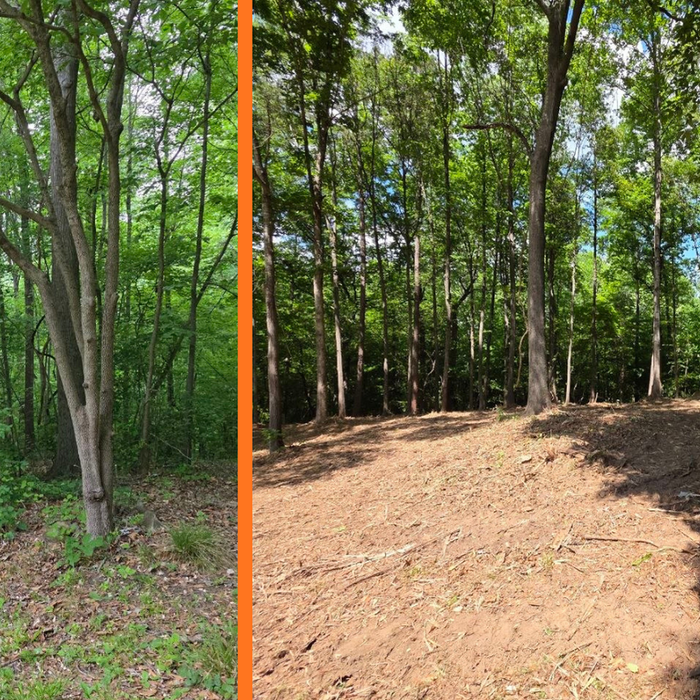
"Sam and his team did an absolute phenomenal job on our recent property project. We hired them for land clearing, grading, and forestry mulching, and the results exceeded our expectations. From start to finish, Sam and his crew went above and beyond to ensure everything was done perfectly. Their forestry mulching left the property looking clean and usable, and the grading work was top-notch. They are professional, efficient, and clearly take great pride in their work. If you need any land management or clearing done right, look no further than Timberclaw. We couldn't be happier with the outcome!"
Creek  Stabilization
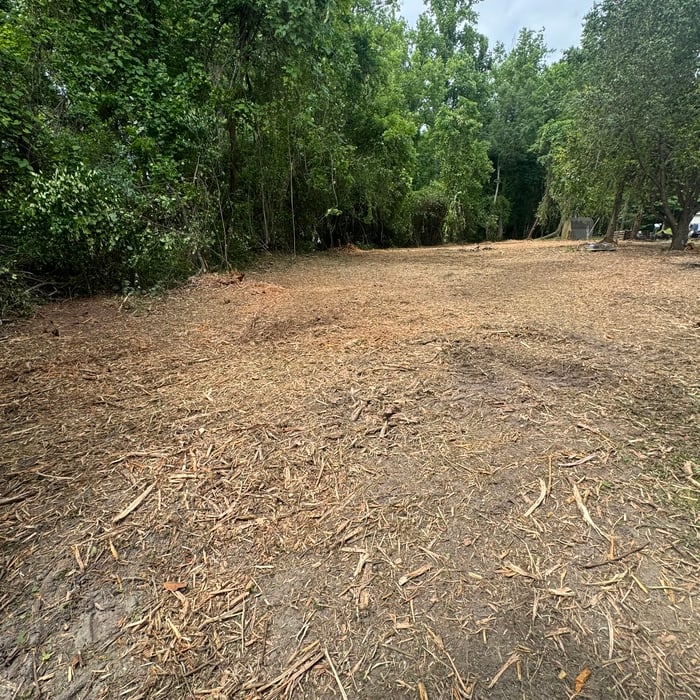
Forestry mulching
Land clearing
foresry mulching
brush hogging

+14

3 neighbors recently requested a quote
Mokma Grading
5.0(
13
)
Landscape - Minor Grading or ReslopingExcavation - Major Grading or ReslopingExcavation - Major Grading or Resloping - For Business

Serving Rockingham, NC and surrounding areas

Approved

Super Service Award Winner

In business since 2024

Free estimates

Offers commercial services

"Mokma grading did a wonderful job. Showed up when scheduled and completed on time. In addition, their pricing was very fair. Would definitely use again"
Response time10 hrs
Response rate94%
4 neighbors recently requested a quote

...
Showing 1-10 of 71
Excavating questions, answered by experts

In the United States, a depth of 36 inches (three feet) for underground water lines is the accepted industry standard. This depth varies from location to location based on local conditions. In areas with colder winters, they may be buried deeper to prevent frozen well water pipes : This is usually at least six inches below the frost level. The International Plumbing Code calls for a minimum of 12 inches below grade.

Skunk digging looks like a series of small, cone-shaped holes on a lawn or around the perimeter of a home, porch, deck, or shed. The holes that skunks dig when searching for grubs tend to be no more than four inches in diameter and may be up to four inches deep.

Trenching and boring are two distinct methods for installing underground utilities. Trenching involves digging a channel using equipment like an excavator, trencher, backhoe, or shovel. While it is a simpler process, it causes significant disruption to the surface, landscaping, and surrounding ecosystems.

Boring, also known as directional boring, is a less invasive alternative that uses a drill to create a tunnel for utility lines without disturbing the surface. This method is more precise and is ideal for installations that need to go underneath buildings, roads, or bodies of water. Although boring is less disruptive, it is generally more expensive than trenching.


You can bury underground electrical wire six inches deep—but only if you use a rigid metal electrical conduit. For rigid, non-metallic conduits, bury the wire at least 12 inches deep. If using an underground feeder cable rated for direct burial, you'll need to place it at least 18 inches deep, as it has no conduit for extra protection.

No, you typically cannot use metal detectors to find your sewer line. Most sewer lines are made of non-metallic materials such as PVC, clay, or cast iron, which are not detectable by standard metal detectors. Metal detectors are designed to locate metallic objects, so they won't be effective for identifying the path of a non-metallic sewer line. To locate your sewer line accurately, it's best to use other methods.

The Rockingham, NC homeowners’ guide to excavation services

From average costs to expert advice, get all the answers you need to get your job done.