





Top-rated excavation pros.

Get matched with top excavation pros in Raeford, NC

Enter your zip and get matched with up to 5 pros

Need a pro for your excavation project in Raeford, NC?

Select your specific project to find the pro for you.

TRUSTED BY RAEFORD, NC HOMEOWNERS

  • Average homeowner rating star icon4
    Average homeowner rating
  • Verified reviews icon33
    Verified excavation services reviews

Find Excavation pros in Raeford

Avatar for Carolina Pinewood LLC
Carolina Pinewood LLC
5.0(
16
)

Serving Raeford, NC and surrounding areas

Approved

Super Service Award Winner

In business since 2019

Free estimates

Emergency services offered

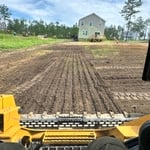
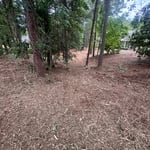
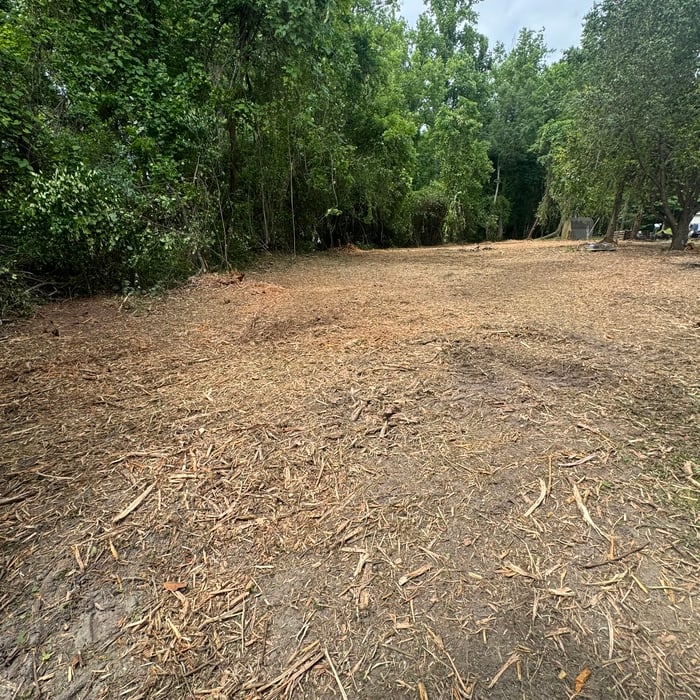
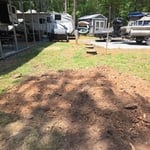
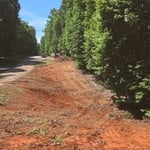
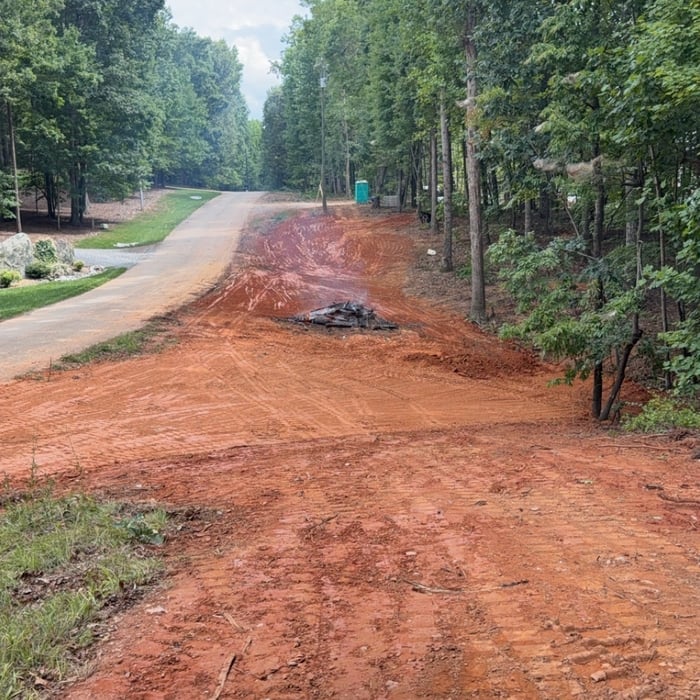
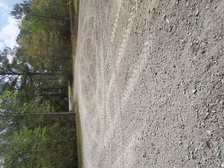
"Felipe was extremely professional, gave multiple options for clearing an acre of land. Highly recommended to anyone, and we will be using Carolina Pinewood for our future excavations projects."
Excavating Project
Yard leveling for grass seeds
Culvert Drainage
Mulching
Mulching

+106

2 neighbors recently requested a quote
Recommended by86%of homeowners
M&D Property Solutions
4.5(
23
)

Serving Raeford, NC and surrounding areas

Approved

In business since 2017

Emergency services offered

Warranties offered

"It has worked out so well for me and my family. And yeah, please do it all day. Please let me know if I can help. Please let me know when I get home, and I will be home in the next few days. Please let me know when I can get you. Please let me know when I get back. Please let me know if I need anything else. Please let me know if I can get you a text or text me or text or call me when I can."
Master bedroom
Master bedroom
Front hall
Living area
Entry

+10

Response time1 day
1 neighbors recently requested a quote

Recommended by100%of homeowners
Avatar for Buffalo Creek Land Management
Buffalo Creek Land Management
5.0(
5
)

Serving Raeford, NC and surrounding areas

Approved

Emergency services offered

Small jobs welcome

Credit card accepted

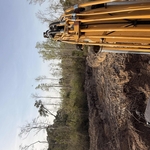
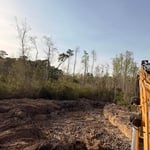
At Buffalo Creek Land Management L.L.C., we specialize in reliable, high-quality land services across Hoke County and surrounding areas. Our team provides expert land clearing, forestry mulching, grading, and brush removal, demo and excavation for homeowners, farmers, and developers.

Pond build
Pond build
Tree removal
2 neighbors recently requested a quote
...
Showing 1-10 of 108
Excavating questions, answered by experts

The best method for digging a trench depends on the scope of the project. For a short, shallow trench (less than 2 feet deep) in light, soft soil, digging by hand may be sufficient. However, digging by hand is labor-intensive, so consider the effort required. A machine trencher is the better option for longer trenches (over 100 feet), deeper ones, or when dealing with difficult soil conditions, such as rocky or hard ground, or obstructions like tree roots. A machine can save significant time and energy in these situations.

The rules and regulations regarding groundwater use vary between states. To find out if you can dig a well on your property, you’ll have to consult these regulations, address any compliance requirements, and get the appropriate permits. It’s also important to check that your intended location has the right geology and water table to support a well.

Call 811 to locate and mark the gas lines at least three days before digging. In many areas, you can dig within 18 inches of the lines, though in some locations, the distance may be further. Check local regulations, as you may need a utility company representative onsite when digging. Document your calls to 811 and precautions taken to avoid gas lines. A homeowner can be held liable for hitting a gas line in some cases, but contacting the proper authorities and following all guidelines can offer protection.

Most residential basements are 8 to 10 feet deep. You can dig deeper depending on building codes, but it does become more difficult. You’ll likely need to install stronger foundation walls and additional supports to handle the increased load. Depending on the water table, you may also need a water management system. Clay soil can support a deeper foundation than sandy soil. A structural engineer will be able to tell you the maximum, feasible depth.

The best type of soil to build on is a mixture of sand and clay, known as loam soil. Loam soil has the best combination of these soil types to build a foundation on. The clay particles help with water retention, so it won’t erode like sandy soil might, and the sandy particles help with drainage, so you won’t see unsafe soil expansion or have an increased risk of leaks from water sitting against your foundation.

The Raeford, NC homeowners’ guide to excavation services

From average costs to expert advice, get all the answers you need to get your job done.