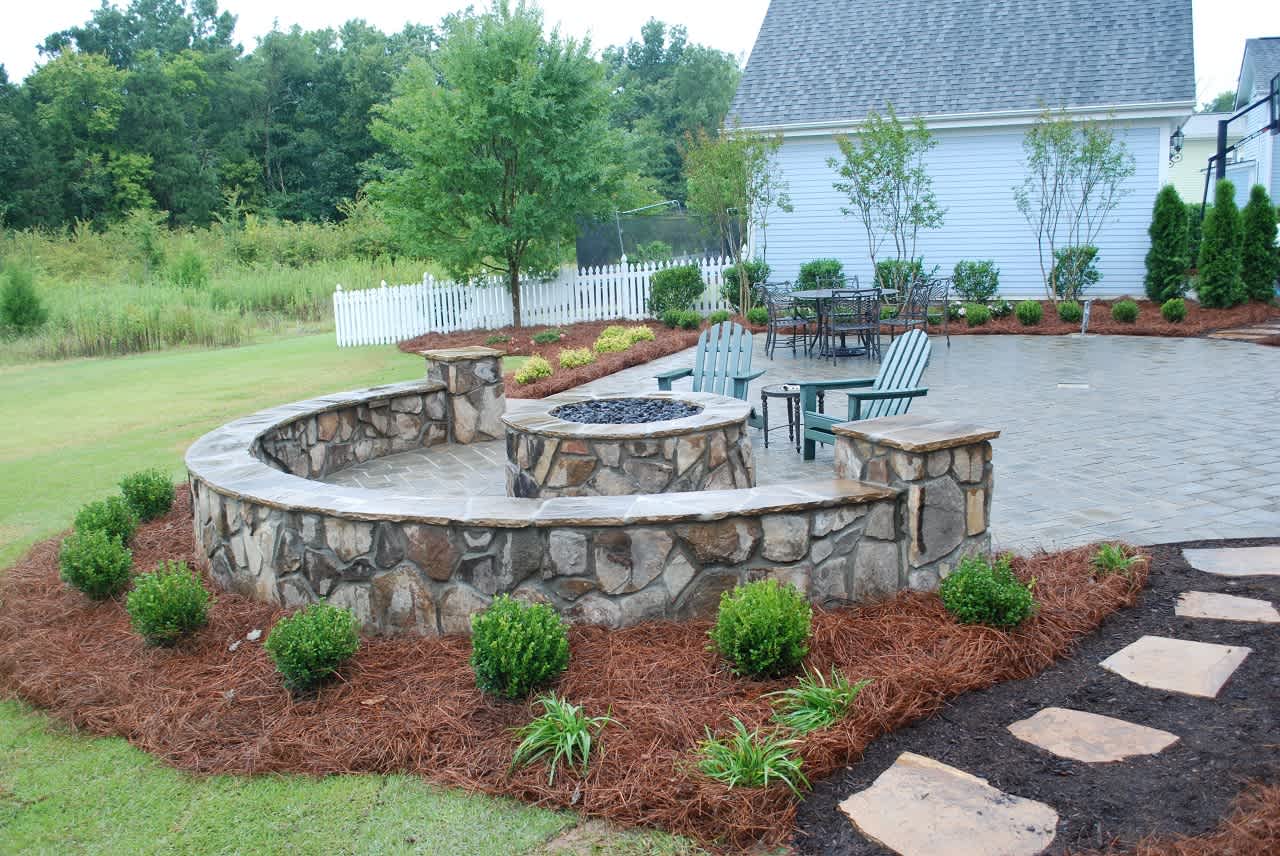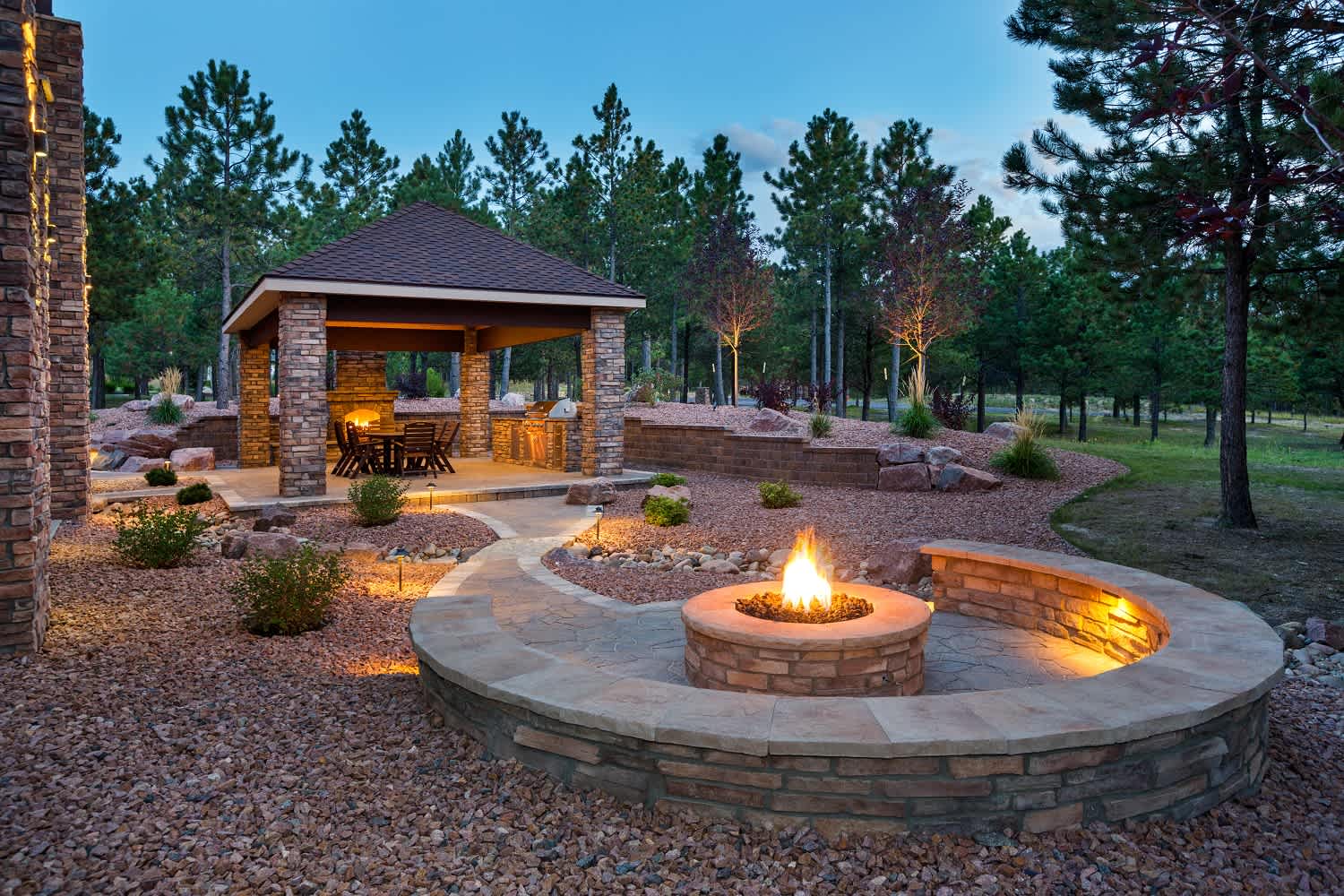



Top-rated fire pit installation pros.

Get matched with top fire pit installation pros in Newton, NC

Enter your zip and get matched with up to 5 pros

Need a pro for your fire pit installation project in Newton, NC?

Select your specific project to find the pro for you.

TRUSTED BY NEWTON, NC HOMEOWNERS

  • Average homeowner rating star icon4.5
    Average homeowner rating
  • Verified reviews icon334
    Verified fire pit installation services reviews

Find Fire pit installation pros in Newton

No results for Fire pit installation pro in

Try adjusting your search criteria.
Fire Pit Installation questions, answered by experts

A spark arrestor is a simple metal mesh device that prevents flammable particles from escaping from a combustion source and causing a fire. You typically find these attached to gas or diesel engines on things like cars, generators, and garden tools (lawnmowers, chainsaws, etc.). Fireplace or wood-burning stove chimneys also have spark arrestors attached to or sitting under the chimney cap to capture burning embers.

Depending on who’s doing the estimating, about 22,000 to 25,000 chimney fires happen each year in the United States. Given the fact that millions of Americans have fireplaces (and chimneys), that means chimney fires aren’t exactly common—but they’re not rare, either. Since they’re so dangerous, it’s important to take precautions to prevent them.

Pellet stoves are safer than wood stoves in many ways. They don’t produce as many creosote deposits as wood stoves do, they create less smoke, and the flames are contained, decreasing the risk of any sparks or embers creating a house fire. Pellet stoves also burn more cleanly and efficiently than wood stoves do.
After a house fire, you should not reenter your home unless the fire crew has told you it’s safe to do so. In the longer term, you should not attempt to make repairs to the house on your own. Professional crews are trained to clean up after a fire (including smoke and soot damage), dry out any water damage from the firefighter crews, and make the necessary structural, plumbing, and electrical repairs—and this is all likely covered by insurance.
Chimneys should either be sealed or waterproofed, which is different from sealing off—closing at both ends—a chimney. Waterproofing and sealing are both crucial steps to take to prevent water damage and the chimney leaking inside the house. While waterproofing is more comprehensive, both help safeguard your chimney, extending its life span and preventing expensive repairs. 

The Newton, NC homeowners’ guide to fire pit installation services

From average costs to expert advice, get all the answers you need to get your job done.