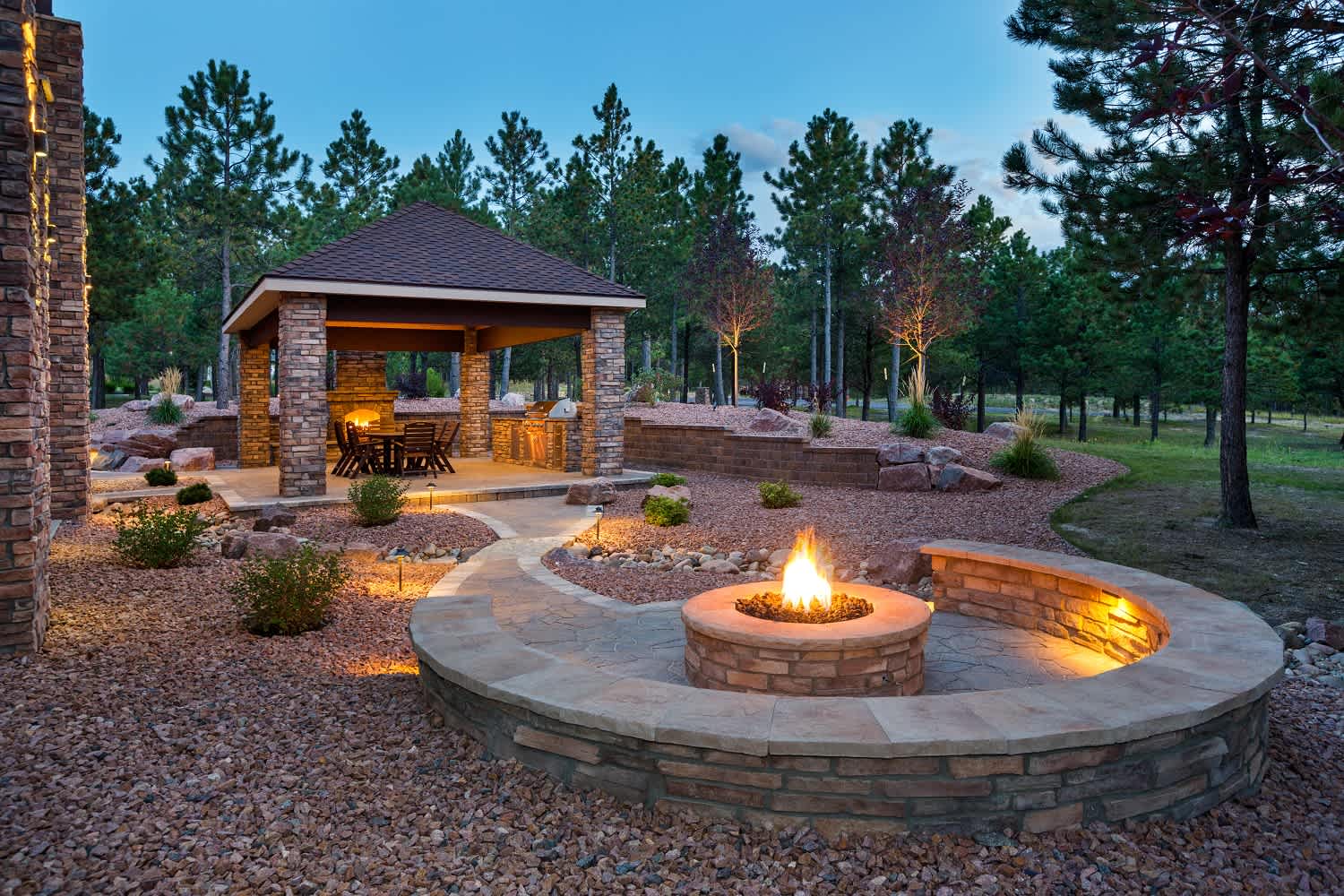






Top-rated fire pit installation pros.

Get matched with top fire pit installation pros in Laurel Park, NC

Enter your zip and get matched with up to 5 pros

Need a pro for your fire pit installation project in Laurel Park, NC?

Select your specific project to find the pro for you.

TRUSTED BY LAUREL PARK, NC HOMEOWNERS

  • Average homeowner rating star icon4.6
    Average homeowner rating
  • Verified reviews icon508
    Verified fire pit installation services reviews

Find Fire pit installation pros in Laurel Park

No results for Fire pit installation pro in

Try adjusting your search criteria.
Fire Pit Installation questions, answered by experts

Your local town or municipality’s fire code and other applicable ordinances will set out the requirements for installing and maintaining a private fire hydrant. These rules can vary from place to place, so it’s crucial to consult with your town’s fire or code enforcement departments before you install a private hydrant on any property you own. Alternatively, you can hire a professional fire service consultant to help you interpret local laws and ensure you’re fully compliant with those requirements.


Short circuits can cause significant damage to electrical appliances, bodily harm, and potentially death to humans. For this reason, they are a serious occurrence. If you’re unable to find and fix a short circuit on your own, you must reach out to a licensed electrician for help.

Generally, an oil furnace is considered safer than a gas furnace for several reasons. While both types of furnaces can produce carbon monoxide, a leak in an oil furnace is easier to detect due to the smell. Oil furnaces also don't connect to a gas pipeline, which reduces the chance of a fuel leak. Most importantly, heating oil is not combustible, whereas natural gas is highly flammable. This means there is a much lower risk of combustion or explosion with an oil furnace. However, an oil furnace can still pose a fire hazard if it tips over.

You should never block both the top and bottom of your chimney. Proper airflow is essential because the temperature inside the chimney will still fluctuate as your house warms and cools. Moisture can build up without ventilation, leading to dampness in your walls over time. Blocking the top prevents debris and animals from entering, but the chimney still needs air circulation to avoid condensation issues. Allowing the chimney to breathe maintains the health of your home and prevents long-term damage.

A fireplace hearth is necessary in most areas per building codes, especially for gas and wood-burning fireplaces. Electric fireplaces may not require a hearth, so check local building codes or ask a pro for guidance if you’re leaning toward electric. A fireplace hearth can decrease the risk of flying embers creating a fire and burning your home down. That’s why fireproof material, like tile, is used for the hearth.

The Laurel Park, NC homeowners’ guide to fire pit installation services

From average costs to expert advice, get all the answers you need to get your job done.