



Top-rated fire pit installation pros.

Get matched with top fire pit installation pros in Cleveland, SC

Enter your zip and get matched with up to 5 pros

Need a pro for your fire pit installation project in Cleveland, SC?

Select your specific project to find the pro for you.

TRUSTED BY CLEVELAND, SC HOMEOWNERS

  • Average homeowner rating star icon4.4
    Average homeowner rating
  • Verified reviews icon188
    Verified fire pit installation services reviews

Find Fire pit installation pros in Cleveland

Avatar for Cransten Remodeling
Cransten Remodeling
4.5(
203
)
Handyman for Multiple Small Projects

Serving Cleveland, SC and surrounding areas

Approved

Super Service Award Winner

In business since 2016

Free estimates

Emergency services offered

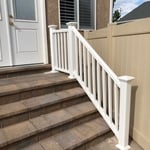
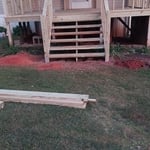
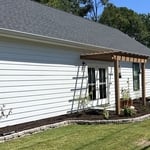
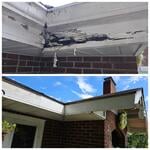
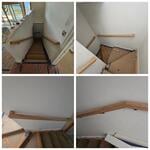
"Hired a professional to install 2 hand rails for my parents. One was installed on the front porch brick steps and one on the back porch brick steps. They arrived on time, installed both handrails quickly and safely. Handrails are sturdy, and now my parents lives are that much safer. Would recommend."
Additional Photos
Additional Photos
Additional Photos
Additional Photos
Additional Photos

+18

Response time1 day
Response rate100%
4 neighbors recently requested a quote
...
Showing 1-10 of 125
Fire Pit Installation questions, answered by experts
Wiring a light switch wrong can cause a fire if the incorrect wiring causes arcing, meaning the current jumps uncontrolled from one conductor to another. Loose wires or worn wires that are not repaired or replaced can cause arcing. If you’re not 100% sure you can do the job safely, don’t attempt to wire a light switch on your own.

Chimney caps are necessary both from a building safety standpoint in most municipalities and to keep your home protected from a variety of issues. Chimney caps are not only mandated by building code in most areas, but they also serve to keep squirrels, raccoons, and other pests out of your home, as well as snow and rain. Therefore, they help to avoid property damage, making them a worthwhile investment.

Chimneys should either be sealed or waterproofed, which is different from sealing off—closing at both ends—a chimney. Waterproofing and sealing are both crucial steps to take to prevent water damage and the chimney leaking inside the house. While waterproofing is more comprehensive, both help safeguard your chimney, extending its life span and preventing expensive repairs. 

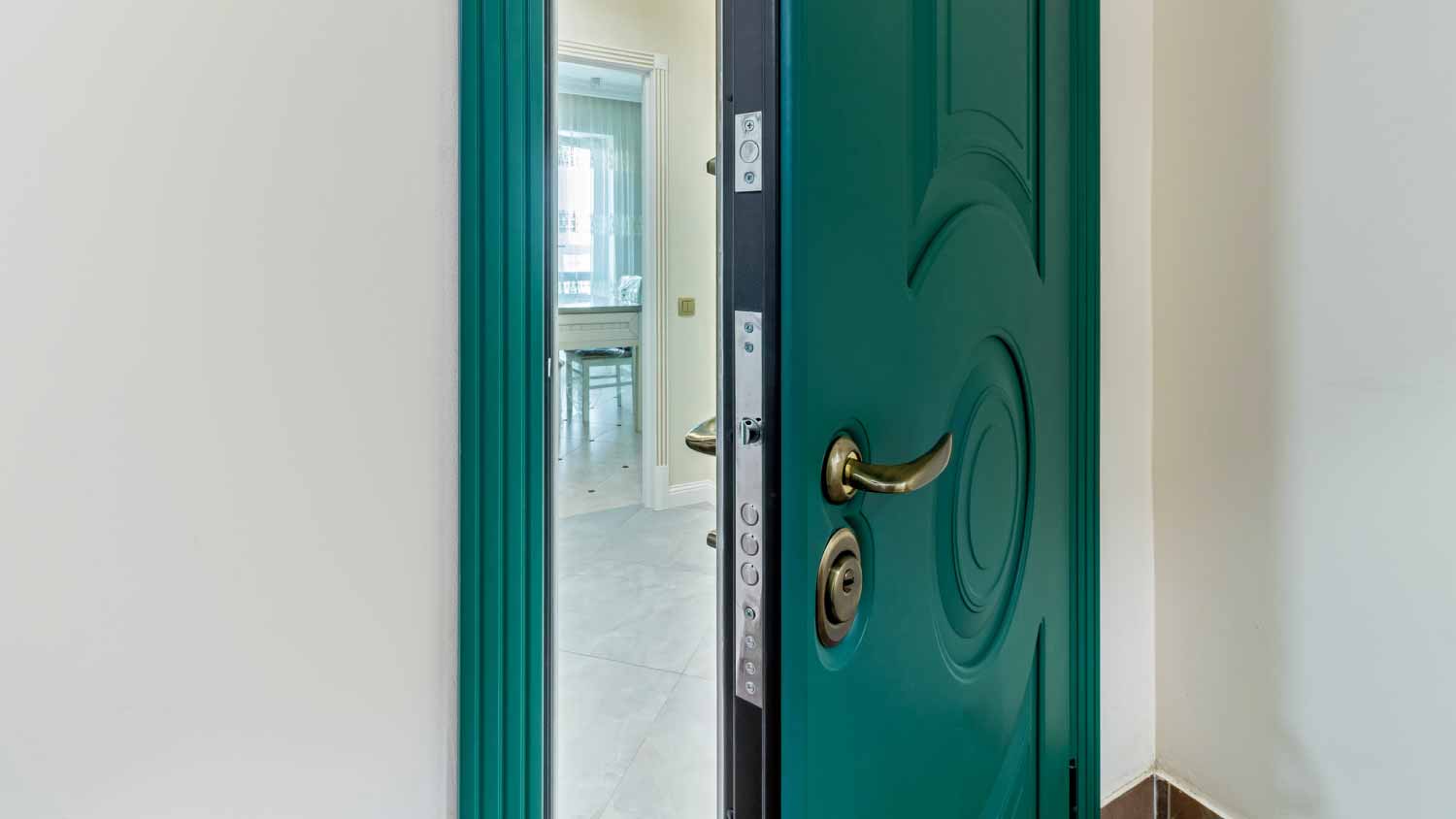
Start by checking the top or side edge of the door. Look for a certification label or metal tag stamped with details like the fire rating and information on the manufacturer. Even if it’s painted over, the tag should still be visible. Next, look along the edges for slim intumescent strips. They’re designed to swell up and seal gaps when exposed to heat. Finally, check if the door closes itself. Most fire doors have a self-closing mechanism, like an overhead closer or spring hinges. If none of these are obvious, contact a fire safety professional to help verify your door. 

Regular professional chimney cleaning and a well-fitting chimney cap are two of the most effective measures to help prevent flue blockages. Annual cleaning keeps the flue from developing a thick layer of creosote. The chimney cap keeps debris out and stops critters from going down your flue for shelter while carrying clog-worthy nesting material.

The Cleveland, SC homeowners’ guide to fire pit installation services

From average costs to expert advice, get all the answers you need to get your job done.