



Top-rated plaster repair specialists.

Get matched with top plaster repair specialists in Kenly, NC

Enter your zip and get matched with up to 5 pros

Need a pro for your plaster repair project in Kenly, NC?

Select your specific project to find the pro for you.

TRUSTED BY KENLY, NC HOMEOWNERS

  • Average homeowner rating star icon4.9
    Average homeowner rating
  • Verified reviews icon16
    Verified plaster repairs reviews

Find Plaster repair specialists in Kenly

M&D Property Solutions
4.5(
23
)
Plaster - InstallPlaster - RepairPlaster - Repair - For Business

Serving Kenly, NC and surrounding areas

Approved

In business since 2017

Emergency services offered

Warranties offered

"I live in Florida an own a rental property in Rochester NY. Needed some one to diagnose a give a estimate to find a kitchen ceiling leak. He had to come twice as Tenant was a no show 1st time, He came again found the source of the leak (a leaky faucet in upstairs Bath). Gave a fair estimate an repaired the ceiling an replaced faucet. Was a great feeling to have a honest an fair price for the work. WILL DEFINITELY USE HIM AGAIN. THANK YOU BRADY"
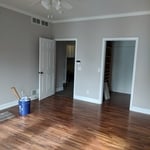
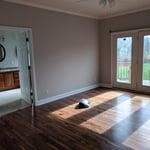
Master bedroom
Master bedroom
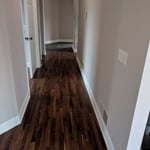
Front hall
Living area
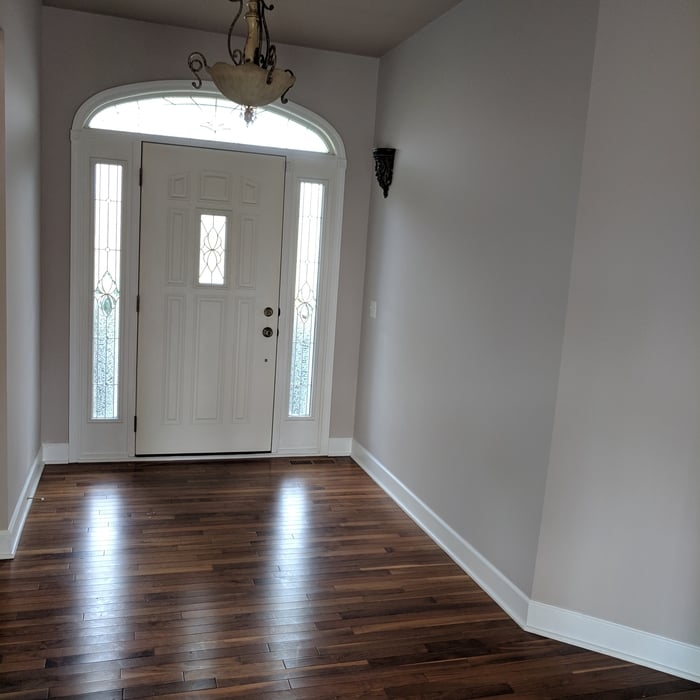
Entry

+10

Response time1 day
1 neighbors recently requested a quote
Recommended by100%of homeowners
Avatar for Care & Repair LLC
Care & Repair LLC
4.5(
14
)
Plaster - InstallPlaster - Install - For BusinessPlaster - Repair+1 more

Serving Kenly, NC and surrounding areas

In business since 1999

Free estimates

"If you want a contractor who will pay attention to problems/defects from previous repairs (or original construction), bring these to your attention and correct the problem, then Cyril is the guy for you.  
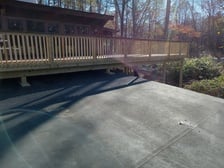
Was the final cost higher than the estimate?  Yes, but only because he discovered problems with the original construction to my attention and provided suggestions to resolve.  When you find that the posts that hold up a deck 20+ feet high are sitting on dirt or a scrap of 2x10 with no concrete support, that's something I want to know and fix.  The final cost was reasonable, given the extra work I authorized Cyril to complete in order to ensure the safety of my family and guest.  Cyril always let me know what he had found, including pictures to document (I wasn't on site) and didn't perform extra work without permission.
I think he did a fabulous job.  We are very pleased with the work and the finished result.  
I will definitely use Cyril again.
"
Added supports
Laying new subfloor
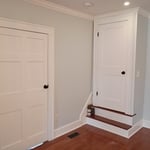
Finished floor
Recommended by100%of homeowners
...
Showing 1-10 of 61
Plaster Repair questions, answered by experts

Whether you can install or repair plaster yourself depends on the project's size and your comfort level with DIY projects. It's possible to handle small repairs on your own, but for larger projects like a room restoration or a full installation, it's often best to hire a local plaster professional. The final appearance, even coverage, and durability of the plaster depend heavily on proper wall preparation and application. If you are not 100% confident in your ability to achieve a professional result, letting an expert handle the job is a worthwhile investment.

Although they have similar applications, spackle and joint compound are not the same. Their primary differences lie in their composition, consistency, and ideal use cases.

Spackle is composed of gypsum and binding agents, making it thicker than joint compound. It dries quickly and is easy to sand, which makes it ideal for small wall repair projects like filling nail holes or patching minor damage.

Joint compound, also known as drywall mud, consists of limestone and gypsum. It is primarily used for large-scale projects, such as taping and finishing the seams on newly installed drywall. It tends to shrink more than spackle and can be more difficult to spread.

While both products can be used to fill small depressions and cracks, spackle cannot replace joint compound for taping and mudding new drywall. Conversely, you can often use joint compound for small patching jobs typically done with spackle.

Plaster ceilings can sag for several reasons. In some cases, the plaster and other building materials shift and come apart over time, which is why you’ll commonly find drooping plaster ceilings in older homes. Improper installation, foot traffic, and water damage—often from a leaky roof or a broken pipe—can also cause plaster ceilings to sag.

Common causes of ceiling cracks along drywall seams include poor drywall installation techniques, structural issues, truss uplift, and foundation problems. Temperature and humidity also play major roles in ceiling cracks flush with the wall. As the drywall shrinks and expands from major temperature changes or extreme humidity shifts, this can cause the drywall to crack.

There are several warning signs that a ceiling crack is connected to a larger issue. For starters, if the crack is wider than 1/8 inch or longer than 12 inches, you might have a more serious problem. The same applies if you have multiple smaller cracks or cracks going across the ceiling and down the wall. In any of these situations, you should ask a professional to assess the damage.

The Kenly, NC homeowners’ guide to plaster repairs

From average costs to expert advice, get all the answers you need to get your job done.