




Top-rated plaster repair specialists.

Get matched with top plaster repair specialists in Sims, NC

Enter your zip and get matched with up to 5 pros

Need a pro for your plaster repair project in Sims, NC?

Select your specific project to find the pro for you.

TRUSTED BY SIMS, NC HOMEOWNERS

  • Average homeowner rating star icon4.6
    Average homeowner rating
  • Verified reviews icon25
    Verified plaster repairs reviews

Find Plaster repair specialists in Sims

M&D Property Solutions
4.5(
23
)
Plaster - InstallPlaster - RepairPlaster - Repair - For Business

Serving Sims, NC and surrounding areas

Approved

In business since 2017

Emergency services offered

Warranties offered

"I live in Florida an own a rental property in Rochester NY. Needed some one to diagnose a give a estimate to find a kitchen ceiling leak. He had to come twice as Tenant was a no show 1st time, He came again found the source of the leak (a leaky faucet in upstairs Bath). Gave a fair estimate an repaired the ceiling an replaced faucet. Was a great feeling to have a honest an fair price for the work. WILL DEFINITELY USE HIM AGAIN. THANK YOU BRADY"
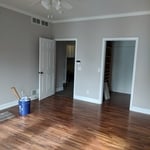
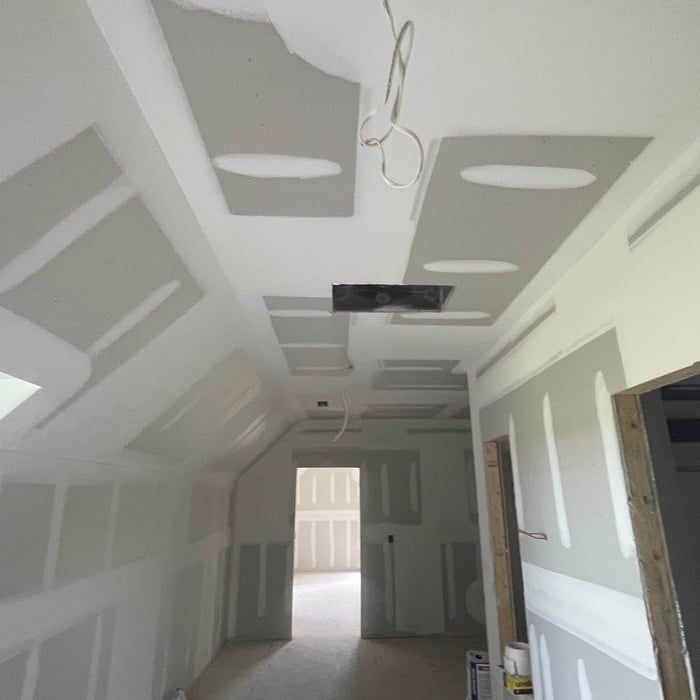
Master bedroom
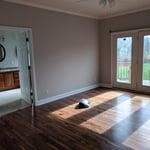
Master bedroom
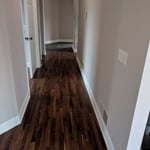
Front hall
Living area
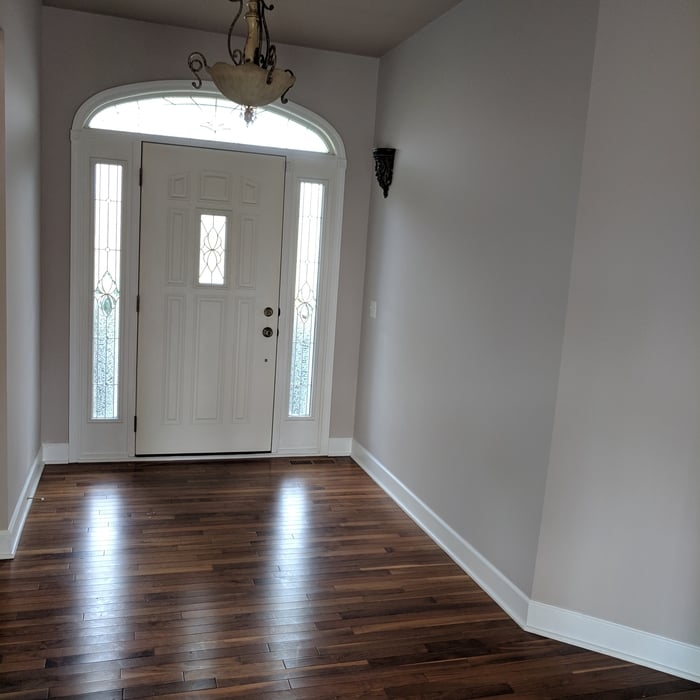
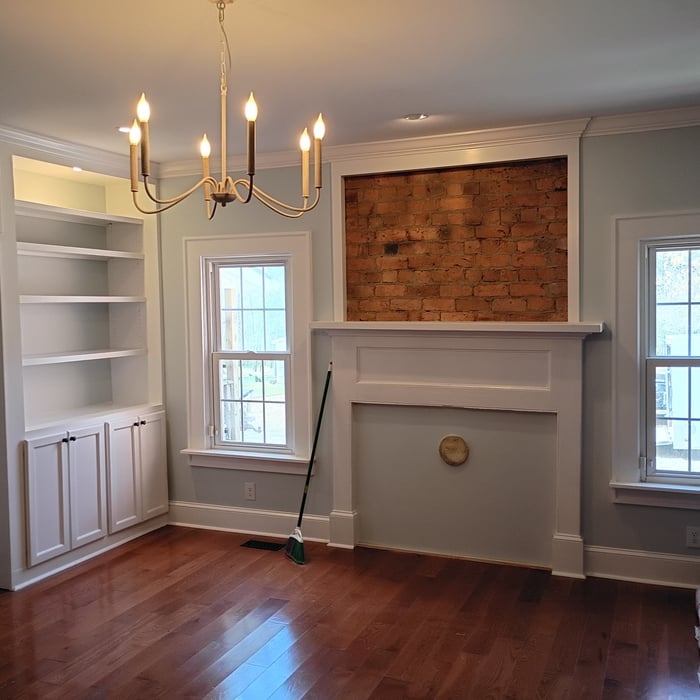
Entry

+10

Response time1 day
1 neighbors recently requested a quote
Recommended by100%of homeowners
Avatar for Care & Repair LLC
Care & Repair LLC
4.5(
14
)
Plaster - InstallPlaster - Install - For BusinessPlaster - Repair+1 more

Serving Sims, NC and surrounding areas

In business since 1999

Free estimates

"If you want a contractor who will pay attention to problems/defects from previous repairs (or original construction), bring these to your attention and correct the problem, then Cyril is the guy for you.  
Was the final cost higher than the estimate?  Yes, but only because he discovered problems with the original construction to my attention and provided suggestions to resolve.  When you find that the posts that hold up a deck 20+ feet high are sitting on dirt or a scrap of 2x10 with no concrete support, that's something I want to know and fix.  The final cost was reasonable, given the extra work I authorized Cyril to complete in order to ensure the safety of my family and guest.  Cyril always let me know what he had found, including pictures to document (I wasn't on site) and didn't perform extra work without permission.
I think he did a fabulous job.  We are very pleased with the work and the finished result.  
I will definitely use Cyril again.
"
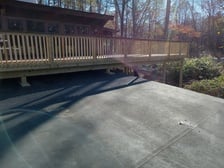
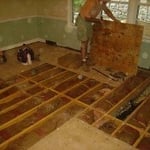
Added supports
Laying new subfloor
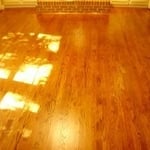
Finished floor
Recommended by100%of homeowners
Showing 1-10 of 50
Plaster Repair questions, answered by experts

Depending on how much adhesive was used as well as the strength of the adhesive, you may have some drywall damage when removing a mirror. You can typically repair most drywall damage if it’s small by sanding the damaged area, applying spackle to smooth the damaged section so it’s flush with the rest of the wall, and repainting the area.

Many services include repainting to match the existing surface. Confirm with your provider.

Drying alone can take 1 to 4 hours to dry to the touch per plaster layer, but some types of plaster take several hours longer to dry. However, this doesn’t mean the job is done because plaster doesn’t fully harden until it cures, which can take a few days to a couple of weeks. It may take even longer if you’re building a new, pretty thick plaster wall. Allow the plaster to cure before painting it.

Although they have similar applications, spackle and joint compound are not the same. Their primary differences lie in their composition, consistency, and ideal use cases.

Spackle is composed of gypsum and binding agents, making it thicker than joint compound. It dries quickly and is easy to sand, which makes it ideal for small wall repair projects like filling nail holes or patching minor damage.

Joint compound, also known as drywall mud, consists of limestone and gypsum. It is primarily used for large-scale projects, such as taping and finishing the seams on newly installed drywall. It tends to shrink more than spackle and can be more difficult to spread.

While both products can be used to fill small depressions and cracks, spackle cannot replace joint compound for taping and mudding new drywall. Conversely, you can often use joint compound for small patching jobs typically done with spackle.

Plastering and skimming are two different techniques for finishing walls. Plastering involves applying a thick layer of a plaster mixture—typically containing gypsum, lime, cement, sand, and water—to create a new surface. This process often requires multiple coats and is used for repairing significant damage or creating decorative textures. Skimming, on the other hand, is a technique that involves applying a thin layer of drywall compound or joint compound over an existing surface to smooth it out, covering minor imperfections, small cracks, or uneven textures for a polished look. Plastering is generally more costly and labor-intensive than skimming. Although some people use the terms interchangeably, they refer to different processes and materials.

The Sims, NC homeowners’ guide to plaster repairs

From average costs to expert advice, get all the answers you need to get your job done.