



Top-rated radon detection and reduction specialists.

Get matched with top radon detection and reduction specialists in Havelock, NC

Enter your zip and get matched with up to 5 pros

Need a pro for your radon detection and reduction project in Havelock, NC?

Select your specific project to find the pro for you.

Find Radon detection and reduction specialists in Havelock

Avatar for Elite Home Inspections, LLC
Elite Home Inspections, LLC
5.0(
12
)

Serving Havelock, NC and surrounding areas

Approved

In business since 2025

Free estimates

Small jobs welcome

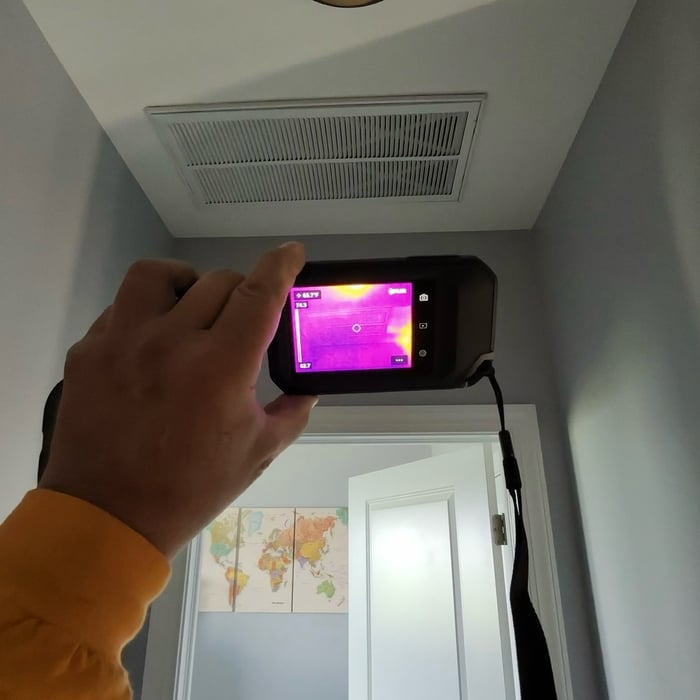
"April helped us line up a last minute inspection for a new build for us. They were extremely thorough and found a few significant problems that we were able to take to the builder. They included lots of photos of the issues which was helpful. They used thermal imaging too which was new to us but helps detect problems that may not have been seen otherwise. We got our report along with a summary the next day and had excellent communication and follow through. We will definitely use them in the future and highly recommend."
4 neighbors recently requested a quote
Radon Detection and Reduction questions, answered by experts

Radon enters your home when warm air begins to rise and exits through the roof, creating a vacuum that pulls cooler air from under the foundation. Part of that air is radon, which is an invisible, odorless gas that develops naturally when radioactive particles are deep within the ground. Those particles usually come from decaying matter in soil and rocks.

The cost for a radon mitigation system typically ranges from $800 to $1,500, with an average around $1,000. The final price depends on several factors, including the size of your home, the severity of the radon issue, and the type of system required. Your home's foundation type also significantly impacts the cost. For example, sealing and ventilating an unfinished basement might cost around $4,600, while encapsulating a crawl space without a foundation slab can range from $1,500 to $15,000.

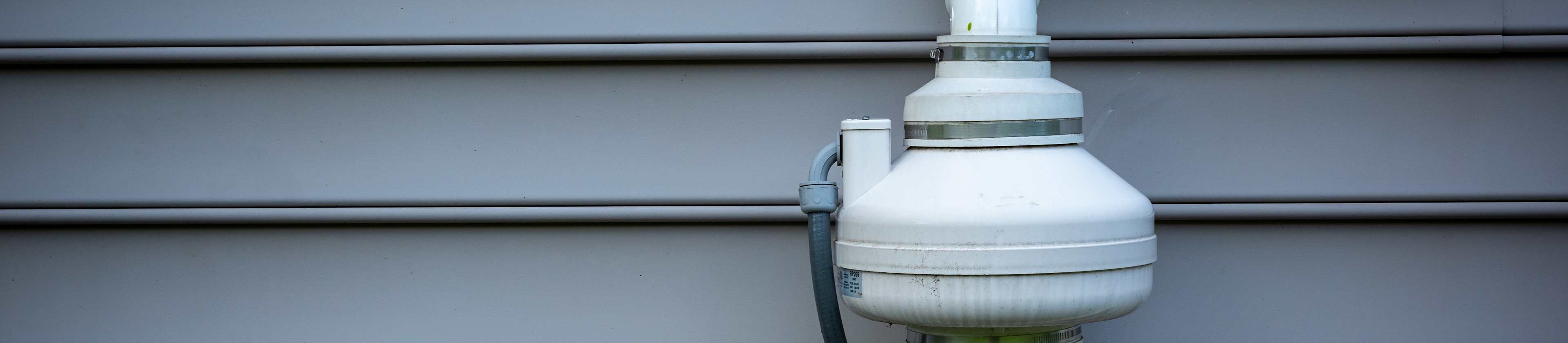
Options include sub-slab depressurization, crawlspace ventilation, and sealing cracks. Choose based on home construction and radon levels.

The natural breakdown of uranium in soil, rock, and water can cause radon to appear in a home. The gas seeps into homes through cracks in foundations, walls, or floors, as well as through gaps around pipes or construction joints. Radon levels are influenced by soil composition, building materials, and ventilation. Poorly sealed or airtight homes can trap radon, allowing it to accumulate.

You'll need to test your home for radon after installing the mitigation system, then again every two years. If radon remains elevated, contact a licensed radon professional, either the contractor who installed the system or a different one, and have them evaluate the system. They may need to make some changes to improve its effectiveness and performance.

The Havelock, NC homeowners’ guide to radon detection and reduction services

From average costs to expert advice, get all the answers you need to get your job done.