

Top-rated drywall pros.

Get matched with top drywall pros in Havelock, NC

Enter your zip and get matched with up to 5 pros

Need a pro for your drywall service project in Havelock, NC?

Select your specific project to find the pro for you.

TRUSTED BY HAVELOCK, NC HOMEOWNERS

  • Average homeowner rating star icon4.7
    Average homeowner rating
  • Verified reviews icon45
    Verified drywall services reviews

Find Drywall pros in Havelock

Avatar for Justin Can
Justin Can
5.0(
6
)
Drywall - RepairDrywall - Install

Serving Havelock, NC and surrounding areas

Approved

Free estimates

Small jobs welcome

Credit card accepted

"Justin was timely and fair. He did an amazing job with assembling my furniture and hanging my televisions. I will be utilizing him for future jobs as he has extensive knowledge of pretty much anything house!"
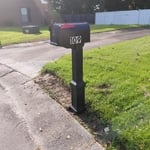
Mail box relocation
67 neighbors recently requested a quote
TJ’s handyman service
New to Angi
Drywall - InstallDrywall - Install - For BusinessDrywall - Repair

Serving Havelock, NC and surrounding areas

Approved

Free estimates

Small jobs welcome

Credit card accepted

I specialize in providing high quality home improvement services designed to enhance both the beauty and functionality of your living space. With a strong focus on craftsmanship, attention to detail, and customer satisfaction, I handle everything from small repairs to complete renovations. My goal is to bring your vision to life, creating a home that reflects your style while adding lasting value. Whether you're looking to update, remodel, or maintain your property, I am committed to delivering reliable, professional results you can trust.

Avatar for Coastal Springs Solution
Coastal Springs Solution
5.0(
1
)
Drywall - Repair

Serving Havelock, NC and surrounding areas

Approved

In business since 1997

Free estimates

Emergency services offered

"Absolutely OUTSTANDING.
Owner Jeff is the ultimate professional.  Completely knowledgeable, flexible, punctual, patient, while being very personable.
Over the decades here in New Bern, I have interviewed and hired dozens of various contractors.  Most, quite honestly, are not worth the powder to blow away.  Case in point, another outfit gave an estimate for this job.  Verbally, they quoted three times as much as Jeff.  Then they promised a follow-up written estimate.  That was the last we heard from those jokers.
Two thumbs up for AdvantaClean and Jeff.
"
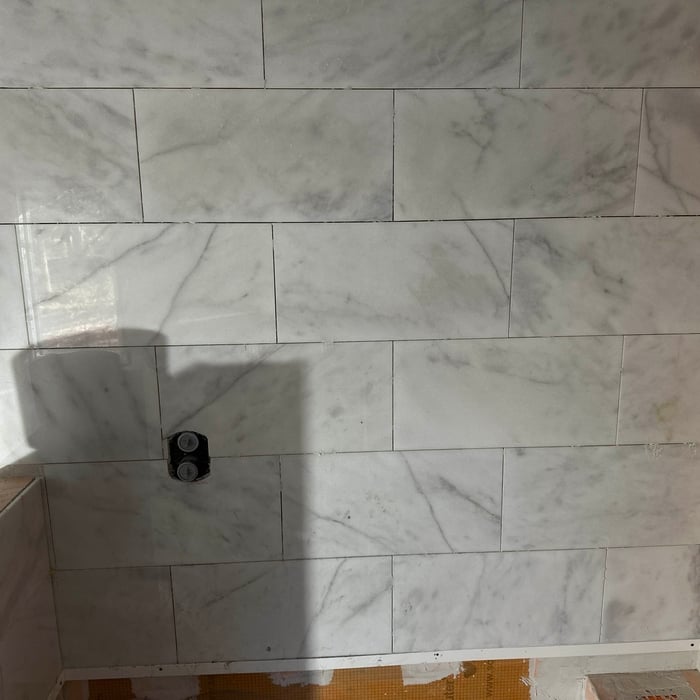
Master Bath Tile Install

+2

Response time3 days
Recommended by100%of homeowners
...
Showing 1-10 of 146
Drywall questions, answered by experts

There are six levels of drywall finish, from 0 to 5, that refer to the amount of work performed during the finishing process.

Level 0: Drywall is hung with no finishing work.

Level 1: Tape is placed over the seams between drywall sheets.

Level 2: A thin layer of mud is applied over the tape and screw holes. This level is common for utility rooms or walls that will be covered.

Level 3: A full coat of mud covers the screw holes and tape, but the surface is not sanded. This is often used in garages.

Level 4: This is the most common finish for visible interior walls. It involves applying two coats of mud over seams and screw holes, with sanding between each coat, creating a smooth surface ready for flat paint.

Level 5: This is a high-end finish for luxury homes. It includes full taping, mudding, and sanding, plus a final skim coat over the entire surface before painting.

Technically speaking, you can use drywall primer over plasters. However, oil-based primers work the most effectively on wall plasters. Meanwhile, water-based primers work just as well with drywalls. Nowadays, there are also universal primers suitable for drywall and plaster. Overall, you will be fine as long as you are using a trustworthy brand.

Whether you can reuse a drywall anchor depends on its type, material, and how it is removed. Plastic anchors, such as expansion or self-drilling types, are generally considered single-use because they are designed to expand and are likely to break or become deformed upon removal. Metal anchors, like toggle bolts, are more durable and can often be reused if they are not damaged during extraction. However, with toggle bolts, the toggle mechanism can fall inside the wall when the bolt is removed, making it difficult to retrieve. If an anchor is damaged or must be cut for removal, it cannot be reused regardless of its material.

Although they have similar applications, spackle and joint compound are not the same. Their primary differences lie in their composition, consistency, and ideal use cases.

Spackle is composed of gypsum and binding agents, making it thicker than joint compound. It dries quickly and is easy to sand, which makes it ideal for small wall repair projects like filling nail holes or patching minor damage.

Joint compound, also known as drywall mud, consists of limestone and gypsum. It is primarily used for large-scale projects, such as taping and finishing the seams on newly installed drywall. It tends to shrink more than spackle and can be more difficult to spread.

While both products can be used to fill small depressions and cracks, spackle cannot replace joint compound for taping and mudding new drywall. Conversely, you can often use joint compound for small patching jobs typically done with spackle.

It’s not a good idea to plaster over broken plaster (unless by broken you’re referring to cracked, in which case that’s perfectly fine). However, broken plaster can be a sign of a larger underlying issue like foundation damage or severe damage to the lath holding up the plaster, so it’s worth investigating before you simply plaster on top of the damage.

The Havelock, NC homeowners’ guide to drywall services

From average costs to expert advice, get all the answers you need to get your job done.