

Get matched with top radon detection and reduction specialists in Pollocksville, NC
Top-rated radon detection and reduction specialists.

Need a pro for your radon detection and reduction project in Pollocksville, NC?

Select your specific project to find the pro for you.

Find Radon detection and reduction specialists in Pollocksville

Avatar for Elite Home Inspections, LLC
Elite Home Inspections, LLC
5.0(
12
)

Serving Pollocksville, NC and surrounding areas

Approved

In business since 2025

Free estimates

Small jobs welcome

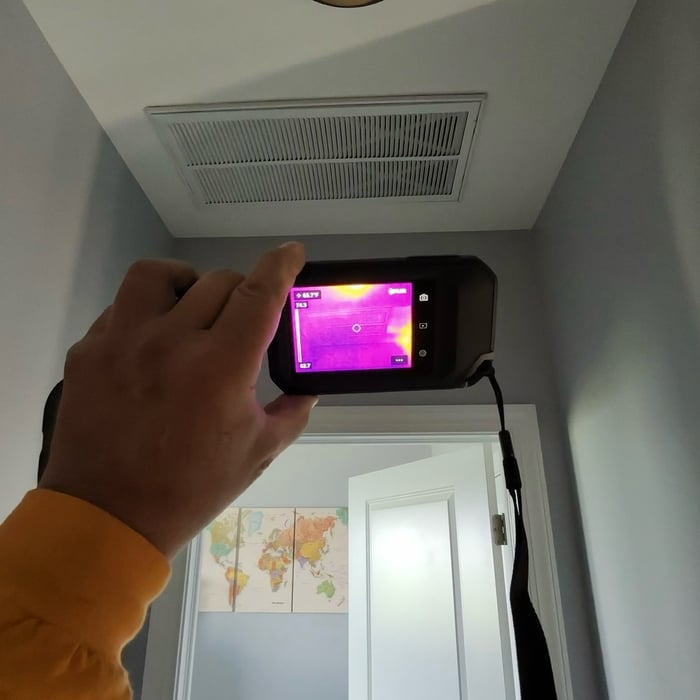
"April helped us line up a last minute inspection for a new build for us. They were extremely thorough and found a few significant problems that we were able to take to the builder. They included lots of photos of the issues which was helpful. They used thermal imaging too which was new to us but helps detect problems that may not have been seen otherwise. We got our report along with a summary the next day and had excellent communication and follow through. We will definitely use them in the future and highly recommend."
4 neighbors recently requested a quote
Radon Detection and Reduction questions, answered by experts

The average radon mitigation system uses about 876 kWh of electricity per year, although the exact amount of electricity used will vary depending on the size of the radon fan. Once the system is installed, the annual increase to your energy bill could range from $30 to $300 per year, again depending on the size of the fan.

Mitigation reduces radon levels, protecting your health and complying with safety standards.

The lifespan of a radon mitigation system depends on the type of system and its maintenance. With proper care, a system can last for many decades. Passive systems tend to last longer as they have fewer components that require replacement. Active systems, which have more moving parts like fans, generally have a shorter lifespan. For instance, water filtration devices and active pressurization systems require more frequent maintenance. While the system as a whole is durable, the radon fan in an active system typically has a lifespan of 5 to 10 years and will need to be replaced. As long as the fan is working, the mitigation system should function correctly.

You'll need to test your home for radon after installing the mitigation system, then again every two years. If radon remains elevated, contact a licensed radon professional, either the contractor who installed the system or a different one, and have them evaluate the system. They may need to make some changes to improve its effectiveness and performance.

No, radon mitigation systems do not decrease home value or make a home harder to sell. In areas where homes experience similar radon exposure risks, a radon mitigation system is viewed as an improvement. Potential homebuyers often opt to buy a home with a radon mitigation system already installed to reduce the risk of cancer for their families.

The Pollocksville, NC homeowners’ guide to radon detection and reduction services

From average costs to expert advice, get all the answers you need to get your job done.