

Top-rated radon detection and reduction specialists.

Get matched with top radon detection and reduction specialists in Midway Park, NC

Enter your zip and get matched with up to 5 pros

Need a pro for your radon detection and reduction project in Midway Park, NC?

Select your specific project to find the pro for you.

Find Radon detection and reduction specialists in Midway Park

Avatar for Elite Home Inspections, LLC
Elite Home Inspections, LLC
5.0(
12
)

Serving Midway Park, NC and surrounding areas

Approved

In business since 2025

Free estimates

Small jobs welcome

"April helped us line up a last minute inspection for a new build for us. They were extremely thorough and found a few significant problems that we were able to take to the builder. They included lots of photos of the issues which was helpful. They used thermal imaging too which was new to us but helps detect problems that may not have been seen otherwise. We got our report along with a summary the next day and had excellent communication and follow through. We will definitely use them in the future and highly recommend."
4 neighbors recently requested a quote
Radon Detection and Reduction questions, answered by experts

Radon detection is crucial as prolonged exposure to radon gas, a leading cause of lung cancer, poses significant health risks in residential environments.

No level of radon is technically safe, but since it is present everywhere, complete avoidance is impossible. The average radon level in homes across the United States is 1.3 picocuries per liter (pCi/L). The Environmental Protection Agency (EPA) recommends taking preventative measures if your home's radon levels are between 2 and 4 pCi/L or higher.

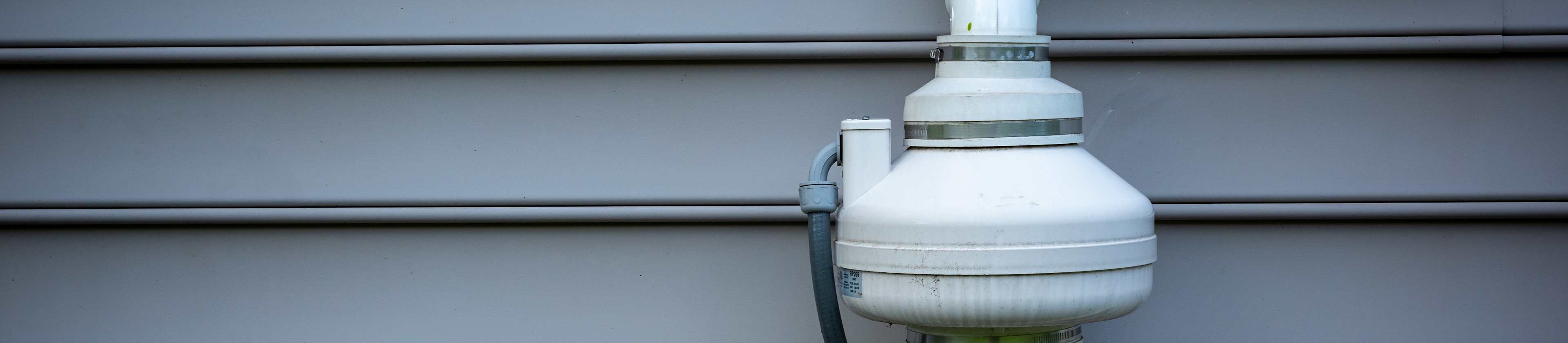
The average radon mitigation system uses about 876 kWh of electricity per year, although the exact amount of electricity used will vary depending on the size of the radon fan. Once the system is installed, the annual increase to your energy bill could range from $30 to $300 per year, again depending on the size of the fan.

If high radon levels are detected, steps include sealing entry points, installing a mitigation system, and retesting the air regularly to ensure reduced levels.

The soil beneath your house is most likely what’s causing an increased level of radon. This is because soil holds radioactivity for a long time and it’s also what most buildings are built on. Another common source of radon is water from a source that hasn’t been through periodic radon tests, such as well water. Over time, the radon from the soil can inhabit other parts of your house like the foundation or plumbing.

The Midway Park, NC homeowners’ guide to radon detection and reduction services

From average costs to expert advice, get all the answers you need to get your job done.