



Top-rated septic tank pros.

Get matched with top septic tank pros in Troy, MT

Enter your zip and get matched with up to 5 pros

Need a pro for your septic tank service project in Troy, MT?

Select your specific project to find the pro for you.

Find Septic tank pros in Troy

Avatar for Dynamic Plumbing LLC
Dynamic Plumbing LLC
5.0(
12
)
Septic System - Repair

Serving Troy, MT and surrounding areas

Approved

In business since 2025

Free estimates

Emergency services offered

We pride ourselves on professionalism and delivering complete homeowner satisfaction on every job. As a veteran-owned and operated company, we believe in doing the job right the first time and standing behind our work. We never leave a job unfinished or a homeowner less than 100% satisfied with our level of service. Call today to schedule reliable, high-quality plumbing you can trust.
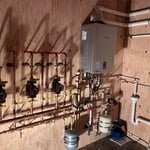
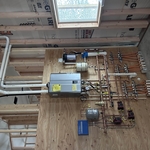
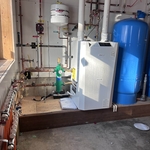
Boiler installation
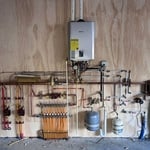
Boiler installation
Boiler installation
Boiler installation
36 neighbors recently requested a quote

RKO Excavation
New to Angi
Septic System - Install or Replace

Serving Troy, MT and surrounding areas

In business since 2021

Free estimates

Small jobs welcome

We are a locally owned company based out of Kalispell, Montana. We're dedicated to providing our clients with the very best in service, installation, and repairs. With years of industry experience, we take an enormous amount of pride in the attention to detail put into each of the projects we're involved with. We're known for our quality work and the integrity of our business. We can do anything that you need us to do, please reach out today for a free estimate.

Avatar for Mountaintop Enterprises, LLC
Mountaintop Enterprises, LLC
2.5(
2
)
Septic System - Install or ReplaceSeptic System - Install or Replace - For BusinessSeptic System - Repair+1 more

Serving Troy, MT and surrounding areas

In business since 2011

Free estimates

Emergency services offered

We pride ourselves on being the best Excavation company in the area.\n\nWe've built an excellent reputation for customer satisfaction by providing quick estimates, a great attention to detail, and competitive pricing.\n\nBeing a screened and approved professional gives you the peace of mind you need to allow us to give your home the attention it deserves. Call us today and let's get started!

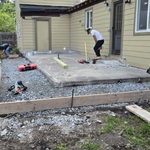
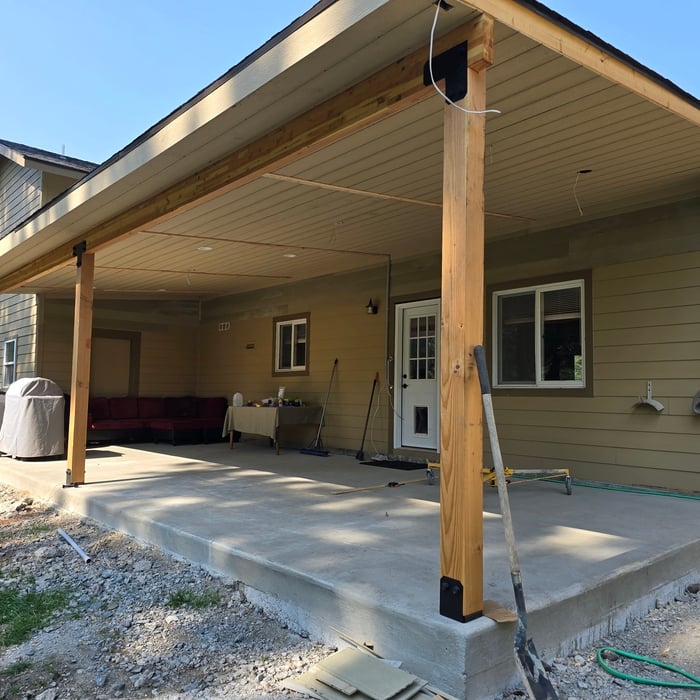
Prepping to extend concrete pad
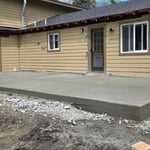
Concrete Pad Extended
New extended porch frame
Installing Lighting & Ceiling
Progress on Porch

+12

Response time1 day
Recommended by50%of homeowners
Septic Tanks questions, answered by experts

The best times of year to pump or empty a septic tank are spring and fall. Many professionals recommend spring because the ground has thawed, making the tank easier to access, and any snowmelt or rainfall can aid in proper drainage. Pumping before summer is also ideal to avoid conflicts with vacations or outdoor gatherings.

Fall is another great option, as contractors may be less busy than in the spring. Servicing the tank in late fall or early spring can also reduce the risk of overflow from extra precipitation during winter and spring.

While summer is a possibility, winter is generally not recommended. The ground is often frozen, which can make it difficult to access the tank, and the waste inside may also be frozen.

While dry wells can be effective for managing rainwater, they have several disadvantages. They can become clogged with sediment, especially after large storms, which reduces their effectiveness and can be difficult to clean. Dry wells are also not suitable for all soil types; they will not function properly in soil with low permeability. Additionally, if a dry well is not large enough to handle the amount of rainfall in your area, it can overflow. For gravity-flow models, the water may disperse very slowly, depending on the well's depth and the soil's permeability.

The ideal depth of a septic drain field is 18 to 36 inches below the surface. The trenches must be deep enough to allow proper wastewater distribution and filtration while remaining shallow enough for oxygen to reach the soil, promoting bacterial activity that helps break down contaminants. In areas with high groundwater or poor drainage, shallower systems like mound drain fields may be required.

Septic tanks and cesspits are both types of sewage and wastewater systems, but they differ in key ways. The main difference between the two systems is that septic tanks separate sewage from wastewater and allow the latter to flow into a drainage field to filter and disperse into the soil. Cesspits don’t have outlets and instead, store sewage until it needs to be pumped by a professional.

Trenches are typically 12 to 24 inches deep and 8 inches wide. However, the required depth depends on the specific project and local ordinances. For example, a French drain may need to be 18 inches deep, while a water pipe might require a depth of 24 inches and a drainage pipe 36 inches. Your city or county may have specific regulations, so it's wise to consult with an excavation professional to determine the correct depth for your project.

The Troy, MT homeowners’ guide to septic tank services

From average costs to expert advice, get all the answers you need to get your job done.