"The tech was very knowledgeable and went above and beyond to satisfy us. Our faucet was broken would not attach to the sink as the copper seal broke to the water lines."
"One oven doesn't work at all ( my choice, see above), the "working" oven was never calibrated properly so using it is hit or miss. It's time to call American Home Shield to see about replacing the entire unit. I'm waiting to finish other home projects before calling them. I don't know if I'll request Greenway again."
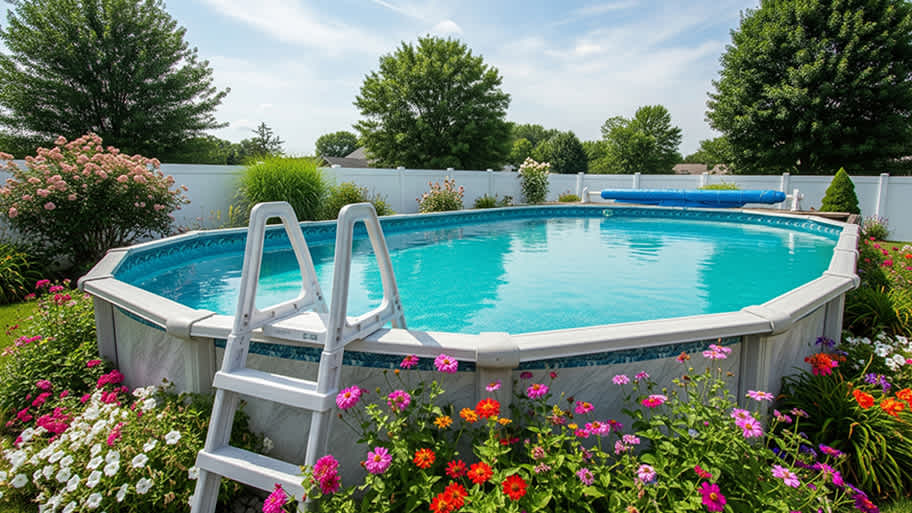
Install Above Ground Pools FAQs, answered by experts
It depends. Your pool might need chlorine every day if the water is exposed to direct sunlight and you use your pool frequently. UV light and constant use will deplete chlorine levels more rapidly. Test your water regularly to see where your levels sit and adjust accordingly. Generally speaking, most homeowners need to add chlorine following a water chemical test about one to three times per week.
A good rule of thumb is to add one or two 40-pound bags of salt for every inch of rain, but you’ll want to test your salt levels first to ensure you’re adding the right amount. Rainwater can dilute the salt levels in your pool, so after significant rainfall, test the levels and add the appropriate amount of salt to bring it back to the ideal level.
Pool light replacements are often more expensive compared to other pool parts, like pump motors, or standard light bulbs for indoor use. The reason for the higher cost is that pool lights are specially designed and made with parts meant to keep swimmers safe. The light fixture and surrounding parts protecting the bulb must be waterproof, tightly sealed, and resistant to extreme temperatures.
The best way to kill off an algae bloom in an aboveground pool is to shock it with a large dose of chlorine. Shock typically kills off algae in about one to three days, although it can take longer if the pool water is in poor condition. After the shock treatment, add algaecide to prevent algae from growing back, and test the water every few days with test strips to ensure the pool’s pH doesn’t get out of whack.
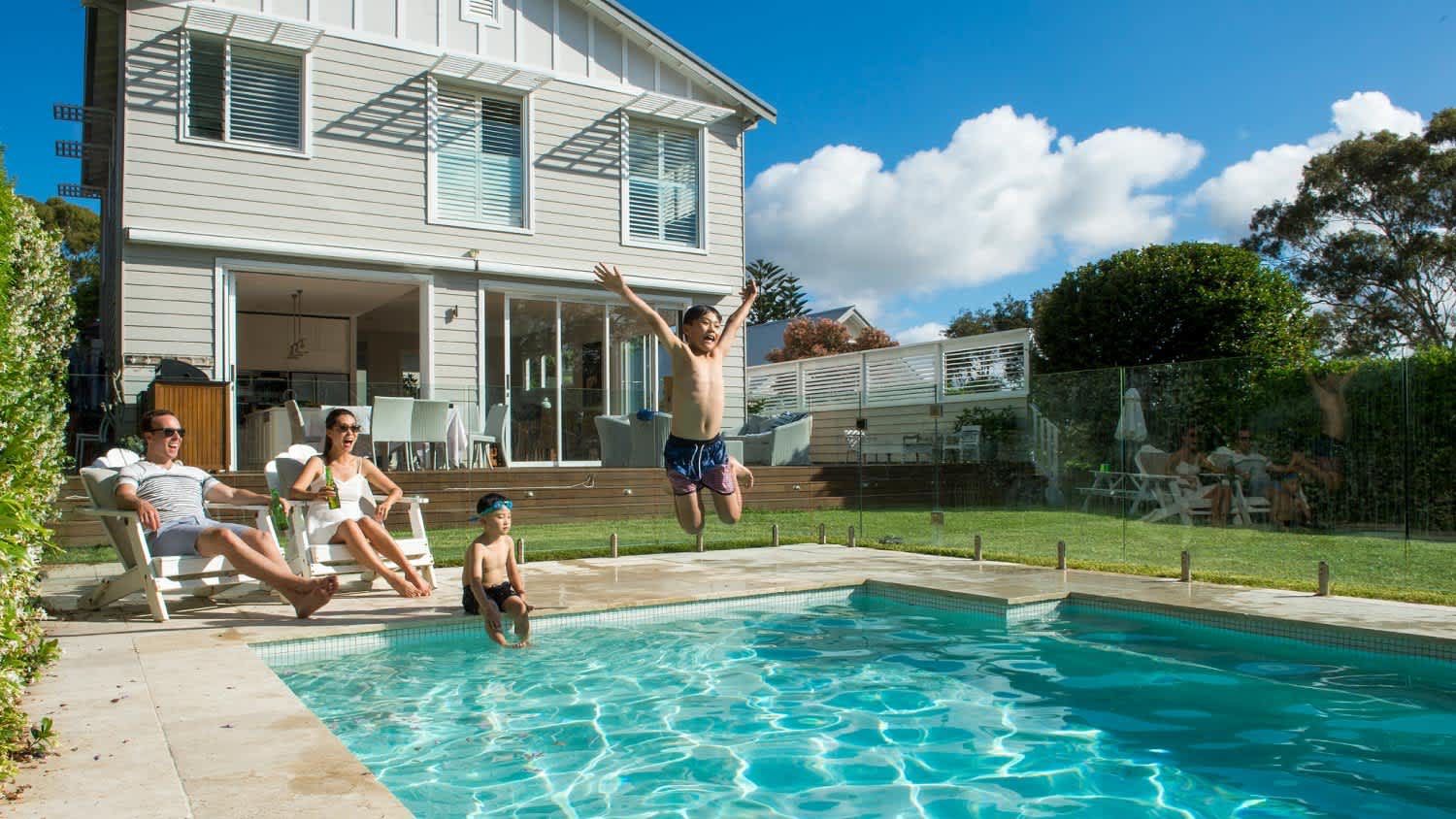
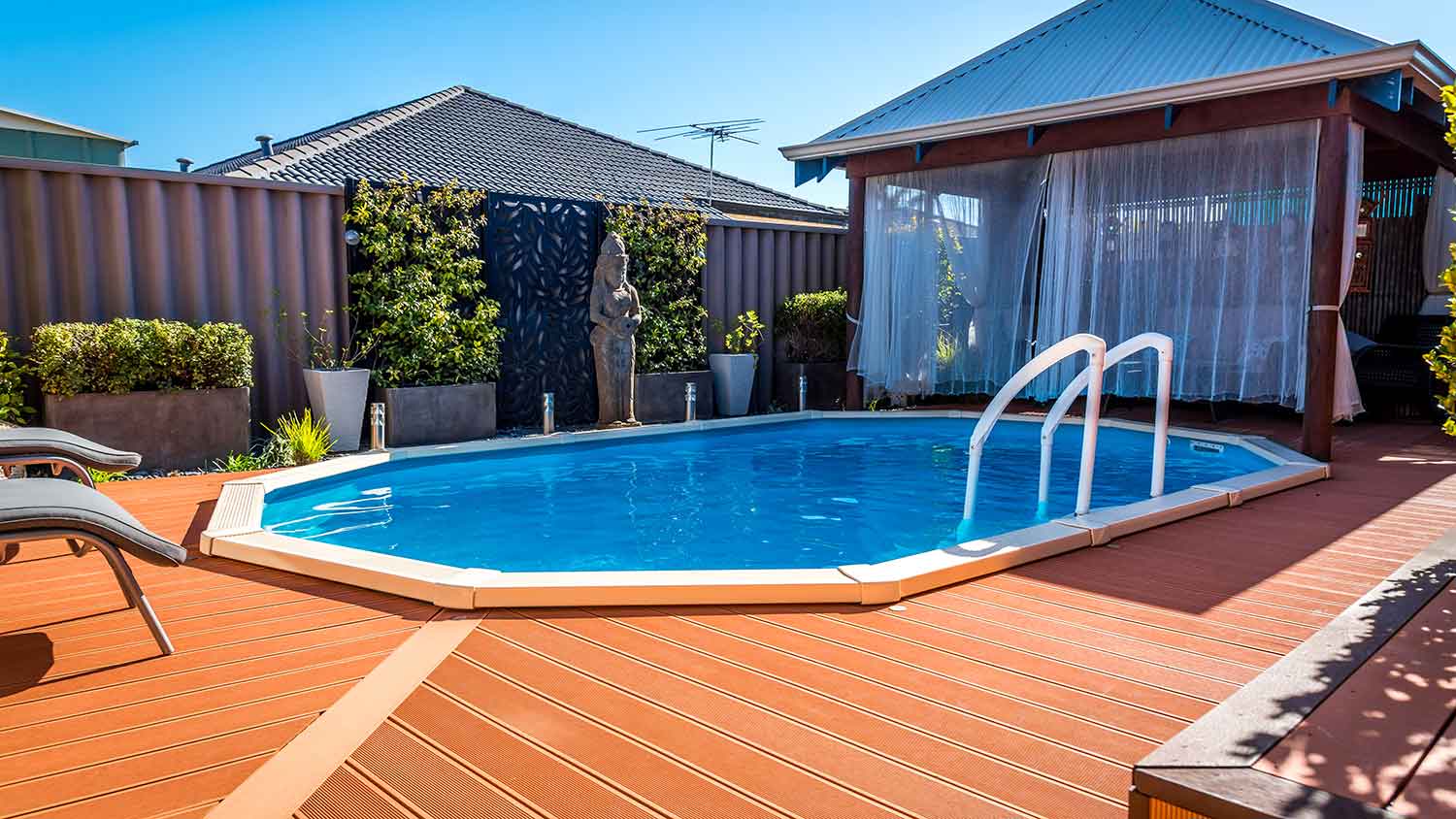
Coping is the material that lines the perimeter of a pool and seals the transition between the top of the pool wall and the water. Decking surrounds the poolscape and extends far beyond the water's edge to provide a safe walking and lounging area. In short, coping is the border between the decking and the pool itself.
The Stanford, MT homeowners’ guide to above ground pool installation services
From average costs to expert advice, get all the answers you need to get your job done.
Above ground pools are more affordable than inground pools, so can you put an above ground pool in the ground to save money? Learn when it’s safe to do so.