
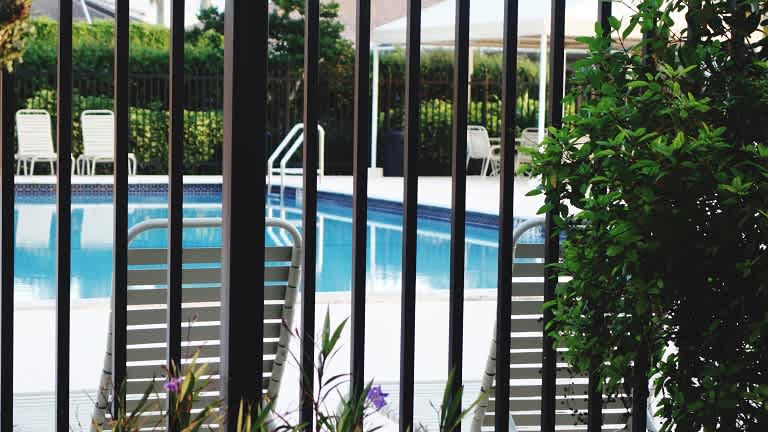
Pool fence costs depend on the type of fencing and the size of your pool. This guide will help you figure out the true cost of pool fence installation.
Say goodbye to cloudy water and hello to a sparkly clean pool

Swimming pools are a great source of fun and relaxation, but they also require proper maintenance to keep them sparkling clean. One of the most important steps in pool maintenance is “shocking” the pool. Pool shocking helps to remove contaminants and restore the pool's chemical balance.
This guide will walk you through how to shock above ground pool structures and inground pools.
Pool shock is a chemical used to dispose of the byproducts of chlorine from your pool. More specifically, after chlorine removes harmful bacteria or other organics from your pool and mixes with nitrogen, it creates chloramine as a byproduct. Chloramine is what causes that strong chlorine smell and is a sign that a pool needs to be shocked.
Pool shock oxidizes the chloramine in your pool, removing the buildup of the particles and sanitizing the water. Other benefits of shock treatment for pool water include clearing up any cloudiness and killing any algae growth. Shocking a pool is an important step in sufficient pool maintenance.
When heading to the pool supply store to purchase a shocking product, you’ll have plenty of options. Here are the four main types of pool shock to choose from.
Calcium Hypochlorite: Also called cal-hypo, calcium hypochlorite is an affordable and powerful pool shock. The product will contain 65% to 75% chlorine and is unstabilized, meaning it does not contain cyanuric acid. Cyanuric acid allows chlorine to stay in the pool longer, making sanitization more effective. Cal-hypo will add extra calcium to your pool water, so do not use it if your water source already has high levels of calcium.
Lithium Hypochlorite: Choose lithium hypochlorite if your pool water does have a higher level of calcium. The product will cost a bit more due to the high cost of lithium, but it is often more effective. Lithium hypochlorite does not need to be dissolved in water before application and contains 35% chlorine.
Sodium Dichlor (Dichlor Shock): Sodium dichlor contains between 50% and 60% chlorine and can be used for both chlorinated and saltwater pools. Some brands do not require dissolving before application. This product is stabilized, so will stay in your pool for a longer period of time.
Potassium Monopersulfate (Non-Chlorine Shock): All of the types of pool shock mentioned above require an eight-hour wait period before you can swim in your pool again. For a quicker option, choose potassium monopersulfate. This non-chlorine shock product can be added directly to your pool water—you can swim again in just 15 minutes. It is affordable and the recommended choice for saltwater pools.
When to shock a pool depends on how often you use the pool as well as a few external factors. Most experts recommend shocking your pool once every week, but you can get away with it once every other week if you do not use your pool that often.
If your home experiences a heavy rainstorm or you throw a pool party with lots of swimmers, be sure to give your pool an additional shock. Also, give your pool a shock if you see any algae growing, or if you notice your pool is not looking as clean as it should.

In order to add the correct amount of shocking chemicals to your pool, you must first know its volume. Time to break out those middle school geometry skills. Alternatively, search online for a pool volume calculator and input your pool’s dimensions. Find the volume of your pool in gallons in order to find the correct shock dosage.
Test the existing contents of your pool water with a water testing strip that tests for chlorine levels. Grab an empty cup and take a sample of pool water, away from any jets or skimmers, and a few feet down into the water.
Dip the testing strip into the water and compare the results to the key found on the testing strip bottle. If the total chlorine level exceeds the free chlorine level, it indicates that the combined chlorine levels are imbalanced, and it's time to shock your pool.
Review the instructions on the pool shock product you purchased. Some products require that the shock is pre-dissolved in water before being added to the pool. Before handling the shock, be sure to put on safety glasses, gloves, and protective clothing to avoid any skin contact with the chemicals.
If your pool shock does indeed require pre-dissolving, fill a 5-gallon bucket about three-quarters of the way full with warm water. Add in the required amount of pool shock based on the size of your pool, but only add about one pound at a time to avoid clumps. Stir the mixture with a wooden stick until all of the pool shock has dissolved.
Safety note: Only pre-dissolve pool chemicals when directed by product label, and never add water to pool chemicals. Rather, you should add the chemicals to water.

Time for the finale—shocking your pool. Some pool shock products require that you add the shock at night after the sun has set, so the sun’s UV rays do not burn off the chemicals too soon, so read the instructions on your product carefully.
Set your pool pump and filter to the maximum speed so the shock will thoroughly mix into the water. Begin to slowly pour the pre-dissolve shock mixture or the shock product that does not require pre-dissolving into the pool. Do not pour it all into one location; spread it out around the pool. Keep the pool pump and filter running, and do not use the pool until waiting the recommended amount of time per the manufacturer’s instructions—most recommend eight hours.
To avoid danger while shocking a pool, handling the chemicals correctly is vital. Use these safety tips to ensure your safety during the pool shocking process.
Keep your skin and eyes protected. Whenever handling pool shock, wear protective gloves, glasses, and clothing. Any contact with the chemicals can cause eye and skin irritation or even burns.
Do not add shock to the skimmer. Adding pool shock to the skimmer risks mixing the product with chlorine. This creates a hazardous gas and can create a dangerous explosion. Avoid this scenario at all costs by adding your pool shock directly into the pool water in and around the middle of your pool.
Avoid breathing in shock chemicals. When working with the pool shock, do not breathe the product directly in to avoid throat irritation. Open the product outside or in a well-ventilated area—you could also wear a respirator mask.
Shocking a pool yourself is a simple DIY pool maintenance task that you can do on your own. Purchasing the supplies you need will cost just $25 to $50, and the process is relatively straightforward. Be sure to follow the instructions on the pool shock product itself carefully, as well as follow necessary safety precautions.
If working with chemicals is not your thing, or you simply don’t have the time or desire to shock your pool, reach out to a pool service professional. This type of service and other pool maintenance costs typically run about $75 to $100 per hour in addition to the cost of supplies. You can also hire a pool maintenance person near you to perform weekly pool maintenance, including pool shocks, for anywhere from $80 to $200 per week.
If you’re good people wanting to do business with good people, hire Matt. He is a consummate professional and utterly competent. He installed a water heater in my home at a price that beat competitors by hundreds of dollars with a promise to support the unit for its life (even after its 6 yr...
 Greene's Plumbing Services
Joseph did a great job with the staircase and trim. Timely and efficient, clear communication about the work, very fair pricing. For the stairs in particular, done very skillfully in an old house (1893) in a tight spiral, and very creative with how to do the handrail. Did a nice job with...
 Vouis Trim Carpentry L.L.C.
This company does it right. Firstly, I want to say that Landan was a joy to work with. He was so kind, transparent, and had everything under control. His entire team showed up ready to work and they were all very respectful of the fact that we were in an office space. A little backstory – we...
 Krumlauf Floors
Professional Team, smooth to communication chain and schedule flexibility. Follows proper construction procedure and completes task on time.
 Pegasus Concrete
Very professional, knowledgeable and helpful! Completed the install on time and as expected.
 Ward's Services
Cole has been handling plumbing and general contracting for our four properties over the past three years, and he’s always done a great job. Most recently, he installed a sink and countertop in our retail store where none existed before, and it turned out exactly how we needed. He’s...
 ANB Renovations LLC
Excellent, Prompt, Courteous Service!!! They were super friendly and quite personable. I felt very comfortable with the gentlemen that did the installation. They installed it exactly where I asked them to and they did an excellent job!! I loved their service so much.
 Tether House
I hired windows depot USA of central to install new windows in house in Oshawa. Ilya was very professional from the start, not only did he offered a great price, he also made sure the installation was on time. I am very satisfied with final outcome. The windows look great and the overall...
 Window Depot USA of Central Ohio
The guys did an outstanding job and we had a great experience with CarifaTile. I appreciated that Joe reviewed the quotes with me and set expectations prior to the install. The crews showed up as scheduled and always left the areas clean upon leaving the house. We will definitely use...
 CarifaTile
Did an amazing job transforming my yard. Also installed sod in places, would recommend to everyone.
 Cardinal Landscaping & Construction LLC
From average costs to expert advice, get all the answers you need to get your job done.
Pool fence costs depend on the type of fencing and the size of your pool. This guide will help you figure out the true cost of pool fence installation.

Don’t let broken pool lights keep you in the dark. Learn about pool light replacement costs, including unit prices, labor rates, and add-ons.

Keep pool-side dreams from getting short-circuited by being aware of pool electrical installation costs and how they can affect your overall budget.
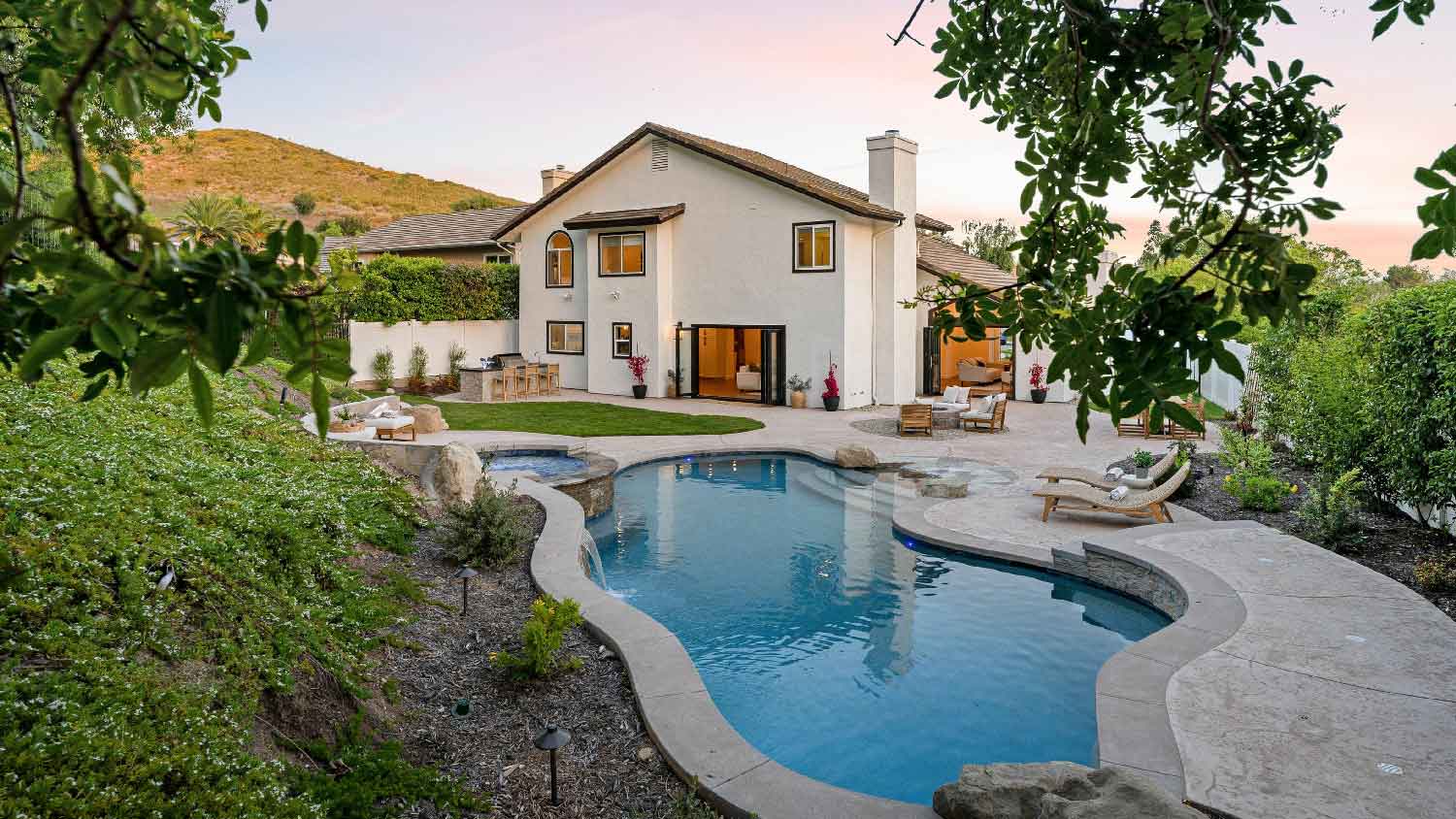
Learn about the differences between pool shock and chlorine, including their purposes, pros, and cons, so you can choose the right product for your needs.
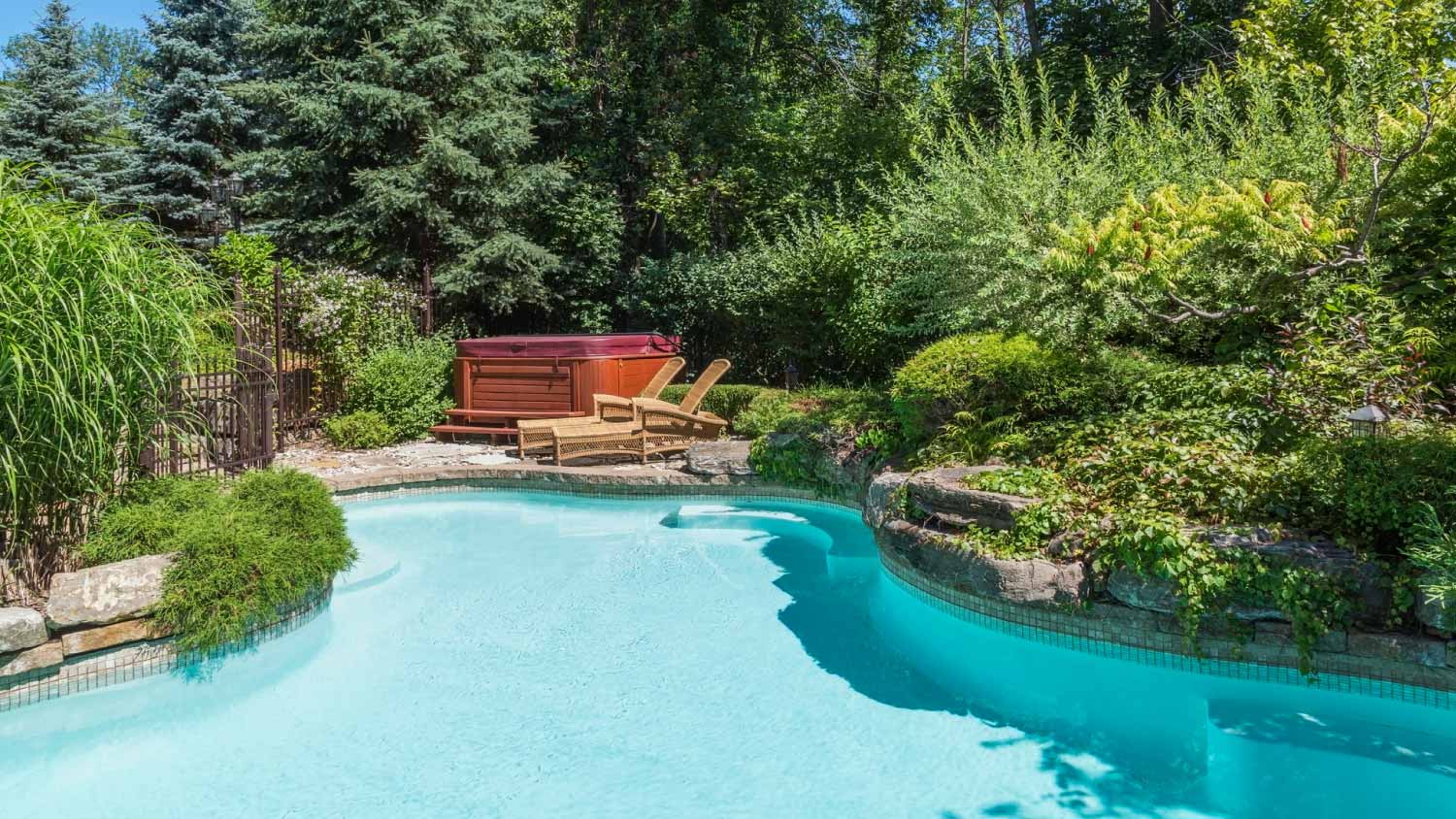
How much shock does my pool need? Here's how to calculate how much pool shock to add to your pool based on its overall water condition.
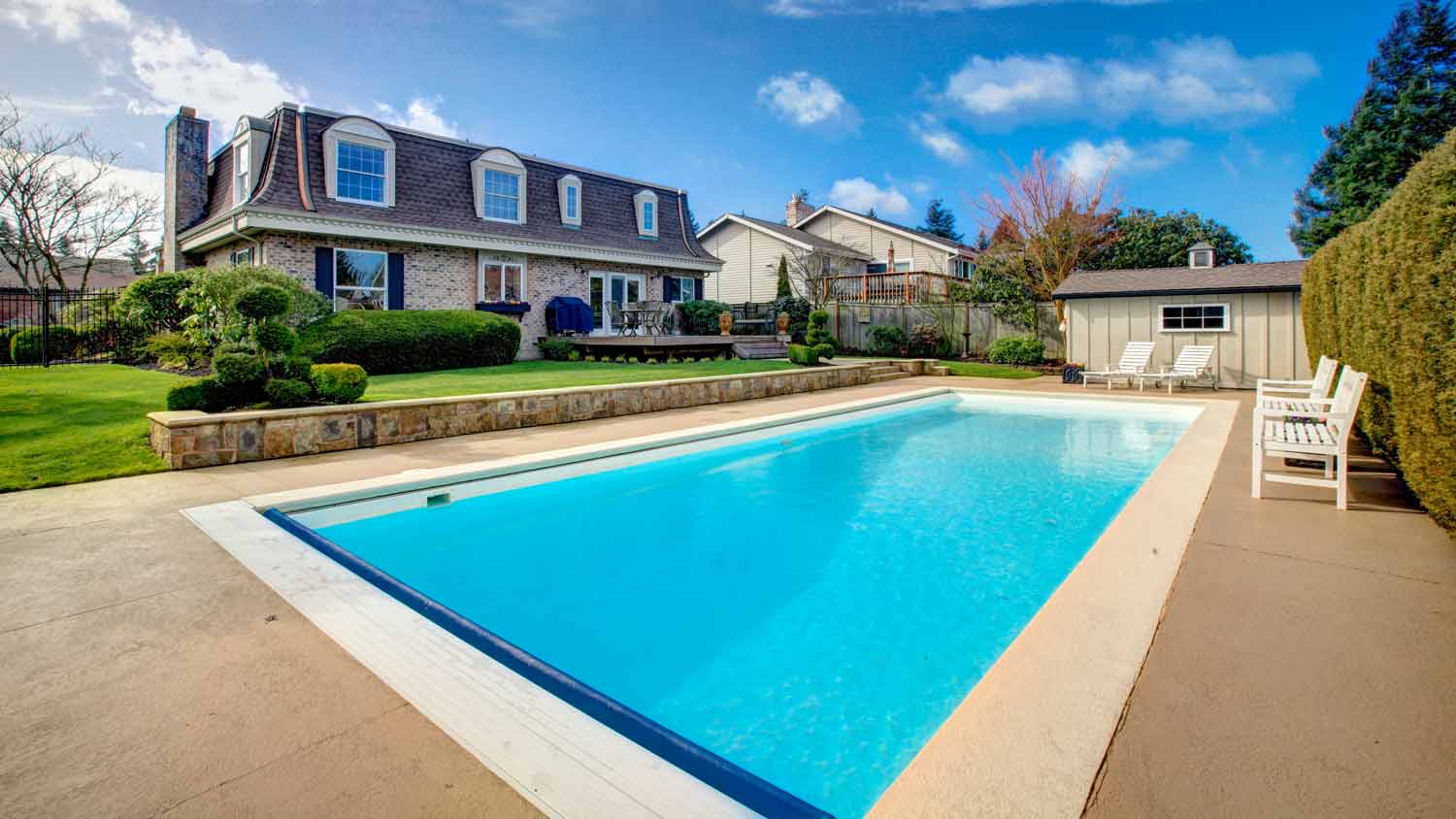
Shocking a pool destroys contaminants, algae, and bacteria and helps pools stay cleaner. Here are four types of pool shock to sanitize your home pool.