




Top-rated painters.

Get matched with top painters in Laurel, MT

Enter your zip and get matched with up to 5 pros

Need a pro for your painting project in Laurel, MT?

Select your specific project to find the pro for you.

TRUSTED BY LAUREL, MT HOMEOWNERS

  • Average homeowner rating star icon4.8
    Average homeowner rating
  • Verified reviews icon120
    Verified painting services reviews

Find Painters in Laurel

Avatar for Iron Mountain Construction LLC
Iron Mountain Construction LLC
4.3(
11
)

Serving Laurel, MT and surrounding areas

Approved

Free estimates

Emergency services offered

Customers say: True professional

"He did an amazing job. He did all the work in the middle of winter and never missed a day. He showed up every morning and when he left at night he made sure everything was picked up and clean. I would recommend him for any job and would definitely hire him again."
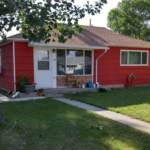
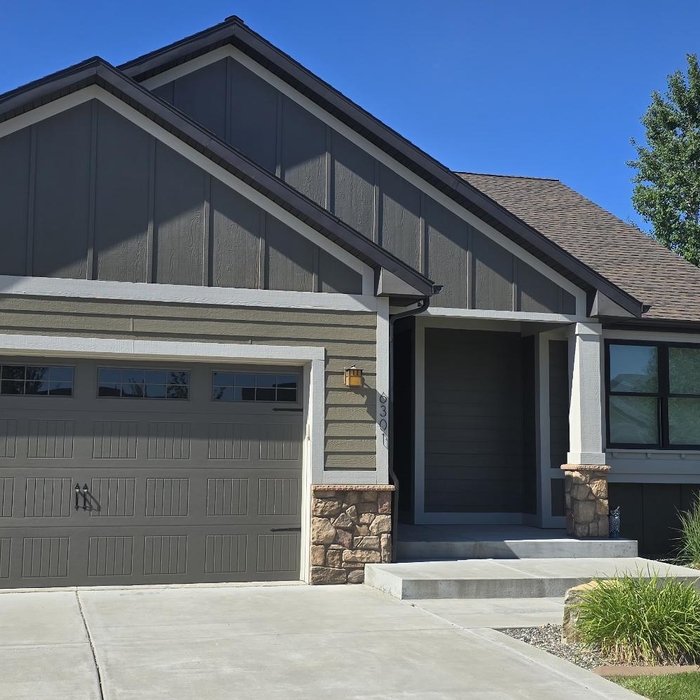
After picture of the front
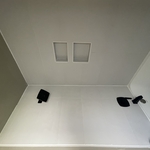
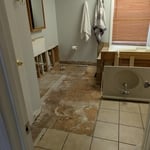
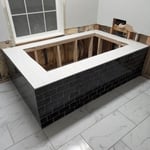
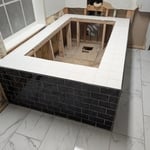
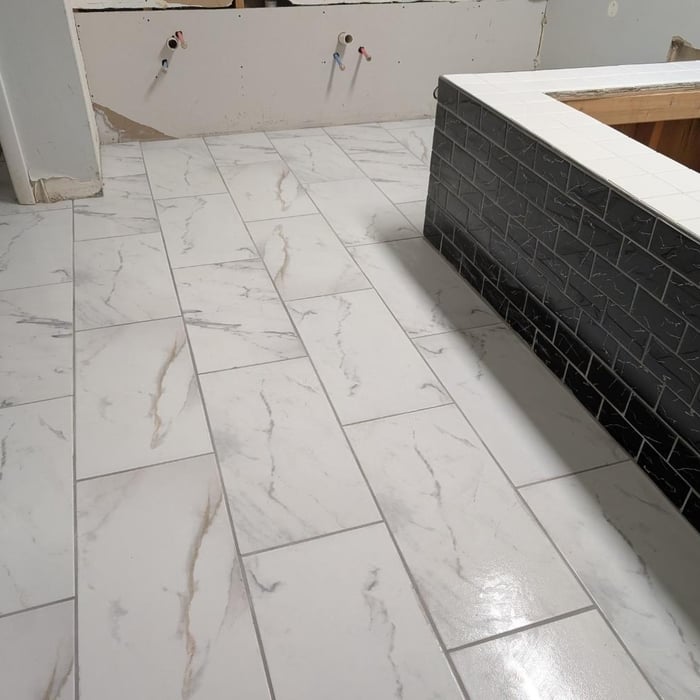
Ceramic Tile Project
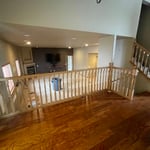
Painting - Interior Project
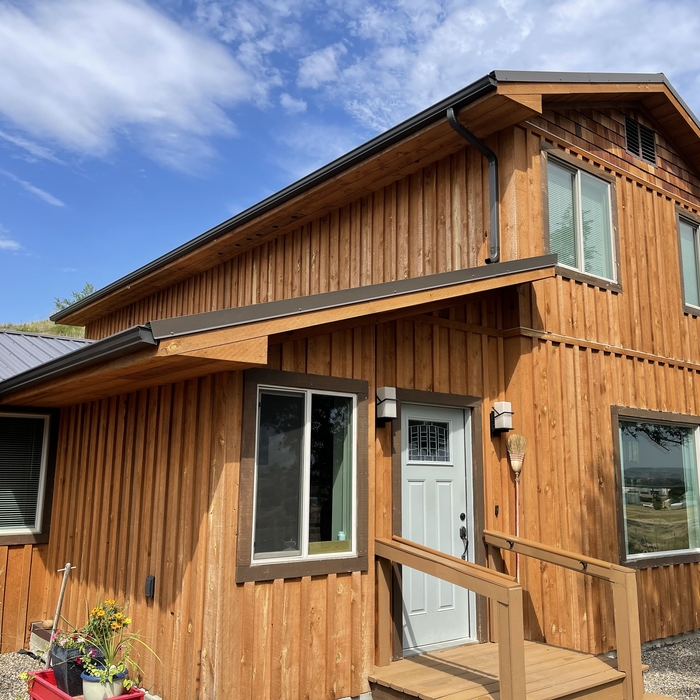
Painting - Exterior Project

+53

2 neighbors recently requested a quote
Recommended by100%of homeowners

...
Showing 1-10 of 77
Painting questions, answered by experts

You should repaint your fence every 1 to 3 years, depending on the appearance of wear and tear. Weather and usage will factor into how often you should paint another coat on your fence. If you need to replace a few fence boards or posts, you may want to consider repainting the fence to help protect the rest of the fence as well as the new pieces against damage and deterioration from being exposed to the elements.

Limewash and whitewash are two techniques used to give brick a light, matte finish, but they differ in composition, application, and permanence. The best choice depends on your aesthetic goals and the specific surface.

Composition

  • Limewash: A natural and environmentally friendly option made from limestone, water, and sometimes pigments. It is breathable and soaks into porous surfaces like brick.

  • Whitewash: Traditionally made from lime, water, chalk, and binders, but a similar look can be achieved with watered-down white paint. It is paint-based and sits on top of the surface.

Appearance and Finish

  • Limewash: Provides a natural, textured appearance that allows the brick's character to show through. It offers a more traditional finish.

  • Whitewash: Creates a softer, more opaque finish, often used for a rustic or shabby-chic style.

Application and Permanence

  • Limewash: Is semi-permanent and can be removed, making it a good choice if you might want to change the look in the future. It requires more skill to apply and cannot be used on previously painted brick.

  • Whitewash: Is a more permanent solution. It is more forgiving to apply and can be used on painted brick. However, because it sits on the surface, it can trap moisture.

Ultimately, if you want a breathable, natural, and reversible finish for unpainted brick, limewash is a great option. If you need a more permanent, opaque coating that can be applied over painted surfaces, whitewash is the better choice. Whitewashing may also be more economical, costing approximately $1.40 to $4.20 per square foot.

The easiest way to stain a fence depends on your experience and comfort level with the project. Applying stain with an airless sprayer or pump sprayer might get the stain job done faster, but it can be tricky. Paint rollers and stain brushes are slower but simpler for a DIY project.

Yes, you can and should paint or stain pressure-treated wood, as this helps prevent the surface from cracking. However, it is crucial to wait for the wood to dry out completely from the chemical treatment process before applying a finish. If the wood is still wet, the paint will not adhere properly. The drying time can range from weeks to six months. To test if the wood is ready, drip some water onto a board. If the water is absorbed, the wood is dry enough for painting or staining. If the water beads up on the surface, it needs more time to dry. You can build with the wood while it's still wet, but you must wait for it to dry before painting.

Shadowbox fence maintenance depends on the material. But for wood shadowbox fences, maintenance typically includes annual cleaning to prevent mold growth, resealing or staining every two to three years, and promptly replacing any damaged or rotted boards. Vinyl fencing, on the other hand, typically only requires annual cleaning with a hose to maintain its appearance.

The Laurel, MT homeowners’ guide to painting services

From average costs to expert advice, get all the answers you need to get your job done.