


Top-rated electricians.

Get matched with top electricians in Laurel, MT

Enter your zip and get matched with up to 5 pros

TRUSTED BY LAUREL, MT HOMEOWNERS

  • Average homeowner rating star icon4.7
    Average homeowner rating
  • Verified reviews icon269
    Verified electrical services reviews

Find Electricians in Laurel

Avatar for AU Electric, LLC
AU Electric, LLC
5.0(
18
)
Electrical Switches, Outlets & Fixtures - Install or RepairElectrical Wiring or Panel UpgradeElectric Vehicle Charging Station Installation - Materials Not Provided+2 more

Serving Laurel, MT and surrounding areas

Approved

In business since 2022

Free estimates

Warranties offered

"Tucker and his apprentice were able to evaluate our electrical problem the same day I called. He quickly sent an acceptable bid and took care of the problem the very next week. I would highly recommend AU Electrical for their knowledgeable and fast customer service!"
My jobs
My jobs
My jobs
My jobs
My jobs

+17

4 neighbors recently requested a quote
Recommended by82%of homeowners
Avatar for Comtech, Inc.
Comtech, Inc.
4.4(
20
)
Telephone System - Install or UpgradeLightning Protection - Install or RepairTelephone Jacks and Wiring - Install - For Business+2 more

Serving Laurel, MT and surrounding areas

Approved

In business since 2002

Free estimates

Emergency services offered

"Ole came out thoroughly inspected my home. He gave me a firm estimate. When they came out to perform the install the workers were very professional and the work was immaculate. When they ran into an issue I was immediately consulted and a workaround was implemented. They were a pleasure to do business with!!"
Family Room with inwall fireplace
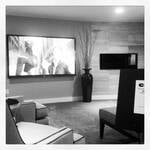
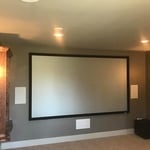
5.1 theater with inwall and inceiling speakers
5.1 theater
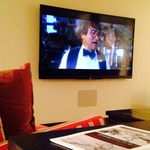
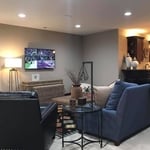
Family room with bar and distributed audio
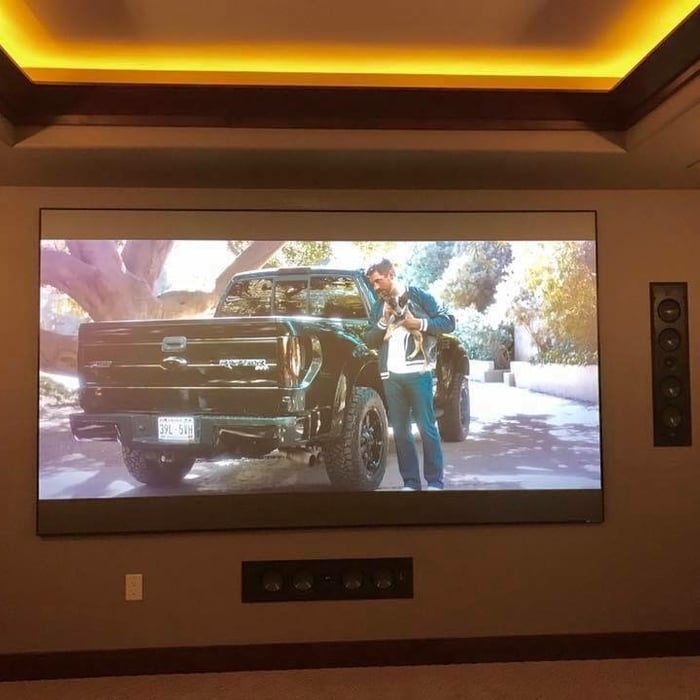
4k 7.1 Dedicated Home Theater

+22

Response time2 days
4 neighbors recently requested a quote
Recommended by94%of homeowners
...
Showing 1-10 of 73
Electrical questions, answered by experts

If you’re wondering whether an electrical panel in the bathroom needs to be moved, the answer is yes. Due to the risks of shocks and electrical fires, electrical panels cannot be located in bathrooms per National Electric Code Volume 70. Additionally, gasses, vapors, liquids, and temperature fluctuations can all compromise the functionality of your electrical panel, so it’s important to install it in a dry, cool, safe, and easily accessible location.

Upgrading your electrical panel is often worth the cost for safety, improved electrical performance, and potential long-term savings. A primary benefit is preventing electrical fires and other hazards from a malfunctioning panel, ensuring your household's safety. An upgraded panel also provides a steady flow of electricity, eliminating issues like flickering lights and frequently tripped breakers. It allows you to connect additional appliances without overloading the system, which is especially beneficial for older homes with 100-amp service that are prone to overheating. If you run large appliances like central air conditioning, heating systems, hot tubs, or saunas, you might consider upgrading to a 300- or 400-amp service to meet the higher electrical demand. Furthermore, an upgrade can lead to long-term savings on energy bills and potentially lower insurance costs.

A ceiling light will usually have two or three wires: black, white, and sometimes green. Black wires are positive, or hot, while white wires are negative, or neutral. The green wire is the grounding wire. 

When you’re wiring the light, connect black to black, white to white, and green to the grounding screw.

The average lifespan of a home electrical system is anywhere from 30 to 70 years or more, depending on the type of system you have. Modern electrical wiring, like aluminum or copper, can last 50 to 70 years while older types may need to be replaced sooner. Additionally, circuit breakers tend to last anywhere from 30 to 40 years, while electrical outlets need to be replaced every 10 to 25 years. 

Dehumidifiers typically use 300 to 700 watts of electricity per hour, whereas portable dehumidifiers use about 40 watts per hour. The exact amount of electricity your dehumidifier will generate depends on its capacity and energy efficiency. Generally, higher-capacity dehumidifiers generate more electricity than lower-capacity units, but they also usually have better energy efficiency over the long run.

The Laurel, MT homeowners’ guide to electrical services

From average costs to expert advice, get all the answers you need to get your job done.