"Well. Only problem was delay in response time after claim was filed online. Water tank started leaking Thanksgiving morning and no reply until I called the Regional Manager."
"I just pay $75 you never know who's going to come out. They do everything electrical. Just about everything is covered except the septic tank. I had an air conditioner replaced. It went great, all I had to do was pay for the freon. He didn't charge e more than what was needed."
We pride our company on reliability, great communication, integrity and quality work. We are experts in our trade and will do our best to keep you as educated as we can on your particular task or project. We look forward to earning your business!
Grizzly Peak Excavation is committed to excellence in every aspect of our business. We uphold a standard of integrity bound by fairness, honesty, and personal responsibility. Our distinction is the quality of service we bring to our customers. Accurate knowledge of our trade combined with ability is what makes us true professionals. Above all, we are watchful of our customers' interests and make their concerns the basis of our business.
According to the Environmental Protection Agency (EPA), septic tanks must be located a decent distance from places subject to flooding or surface ponding. Additionally, septic tanks should be installed on level ground so that the waste can properly settle in the tank. Most tanks are located 10 to 20 feet away from the home. More specific requirements vary by location, so call a local septic pro or your local health department for more information.
Concrete septic tank risers are heavier and more durable than plastic or fiberglass ones, making them suitable for long-term use. Installing a concrete riser differs from installing plastic or fiberglass risers primarily in the materials and methods used. The process involves cutting the concrete risers to the required length and then stacking them, using concrete sealant or adhesive between sections for secure attachment. Due to their weight, extra care is necessary during leveling and the attachment of sections. Concrete sealant or adhesive may also require a curing before the riser is ready for use.
The average lifespan of a deep well pump is between 15 and 25 years, after which you’ll have to replace it. Several factors can affect the lifespan of a well pump, such as the quality of the unit. Proper maintenance and repair can also help extend your well pump’s lifespan as well as keep adequate water flow and pressure throughout your home.
Because well water is not artificially filtered or pre-treated, it may contain contaminants. As a result, it’s possible for well water to damage pipes based on what is in the water. Well water can be corrosive, slowly rusting and dissolving pipes, fixtures, and fittings. The corrosion can affect the taste and quality of the drinking water that comes out of the taps in your home.
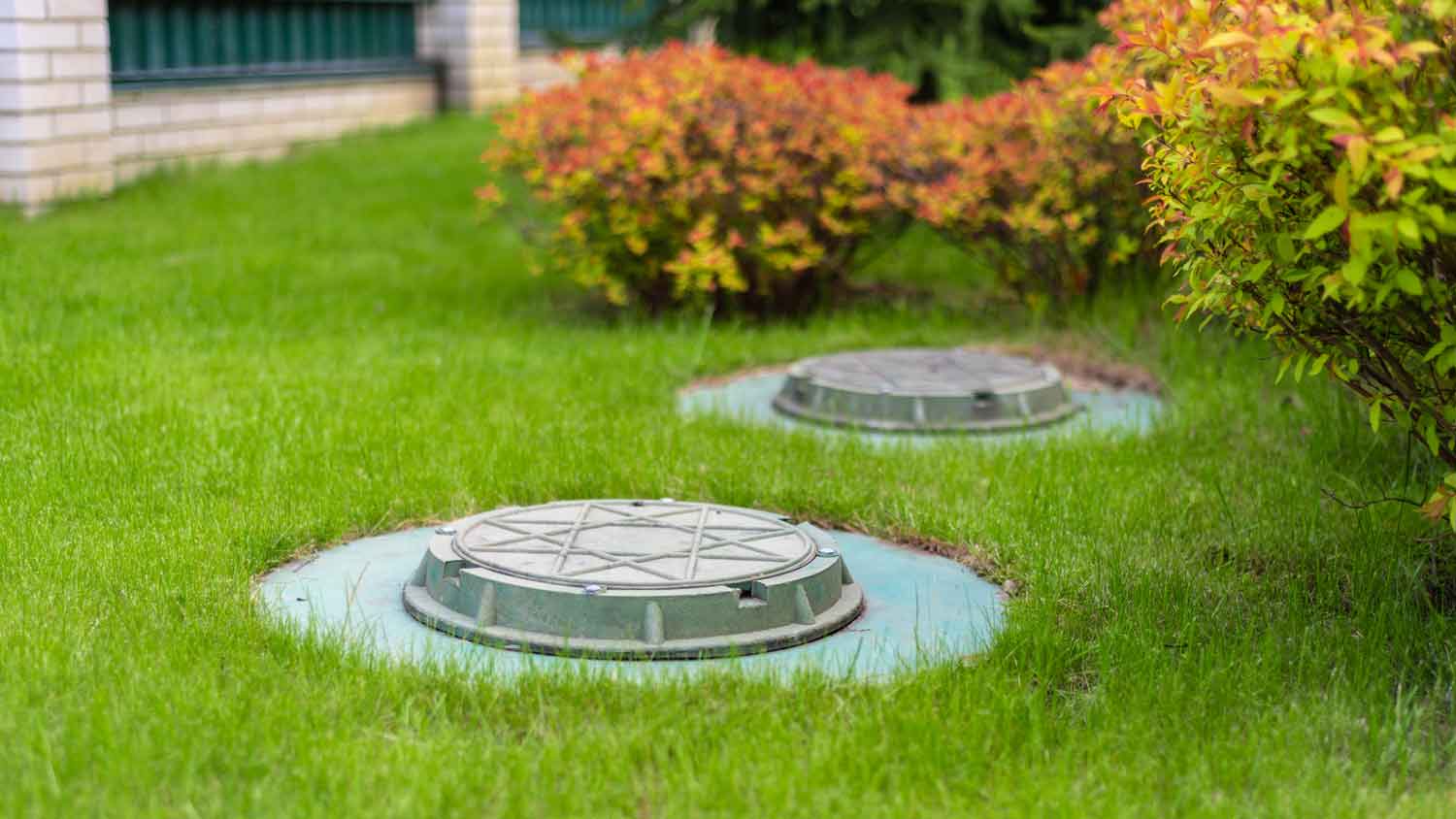
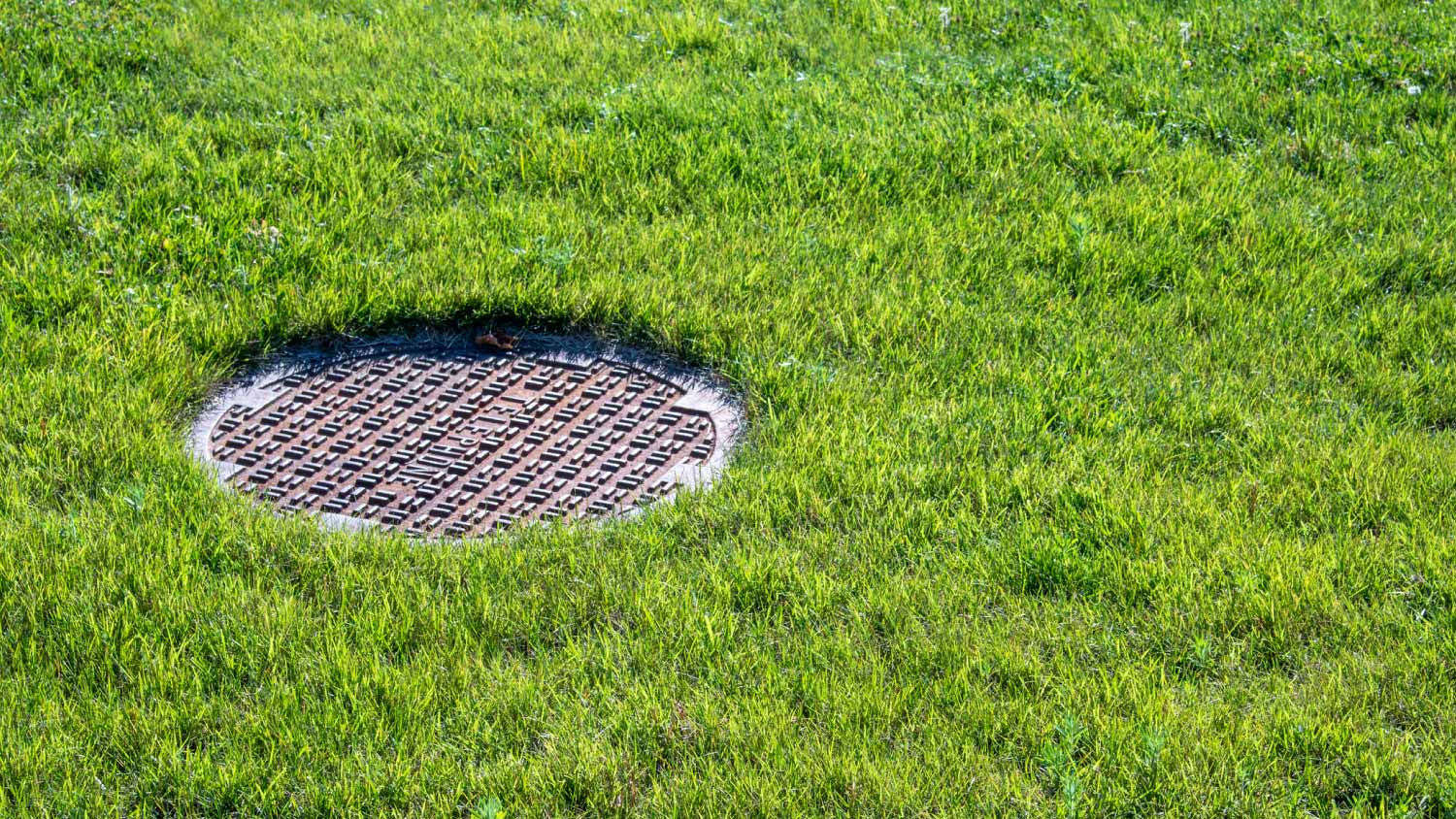
If you aren’t sure if you have a septic tank or a cesspit, you can check your property records or inspect your drainage system. A septic tank has an outlet pipe that allows liquid to drain into a soakaway or drain field, while a cesspit is a sealed tank that requires frequent emptying. If you notice a manhole cover and no nearby drainage field, it’s likely a cesspit. Signs like slow drainage or a frequent need for pumping can also provide clues. A professional inspection is the easiest way to confirm if your home runs on a septic tank or cesspit.
The Busby, MT homeowners’ guide to septic tank services
From average costs to expert advice, get all the answers you need to get your job done.
It’s crucial to install a septic tank with the right volume to avoid wastewater backups. This guide will help you calculate the right septic tank volume.
Septic tank sizes vary depending on the size of your home, how many people live there, how much water you use, and more. Read on to learn how to determine the right size for you.