"Well. Only problem was delay in response time after claim was filed online. Water tank started leaking Thanksgiving morning and no reply until I called the Regional Manager."
"I just pay $75 you never know who's going to come out. They do everything electrical. Just about everything is covered except the septic tank. I had an air conditioner replaced. It went great, all I had to do was pay for the freon. He didn't charge e more than what was needed."
There are a couple of ways you can determine the depth of your well. One method is to use a device called a well sounder. This tool has a long measuring tape containing a sensor to alert you once the end reaches the water.
Or you can DIY it by using a long tape measure with a half-filled bottle of water attached to it. Lower the tape measure into your well. Once you feel tension on the tape, you’ll know the bottle has reached your static water level. This will give you an approximate idea of your well’s depth.
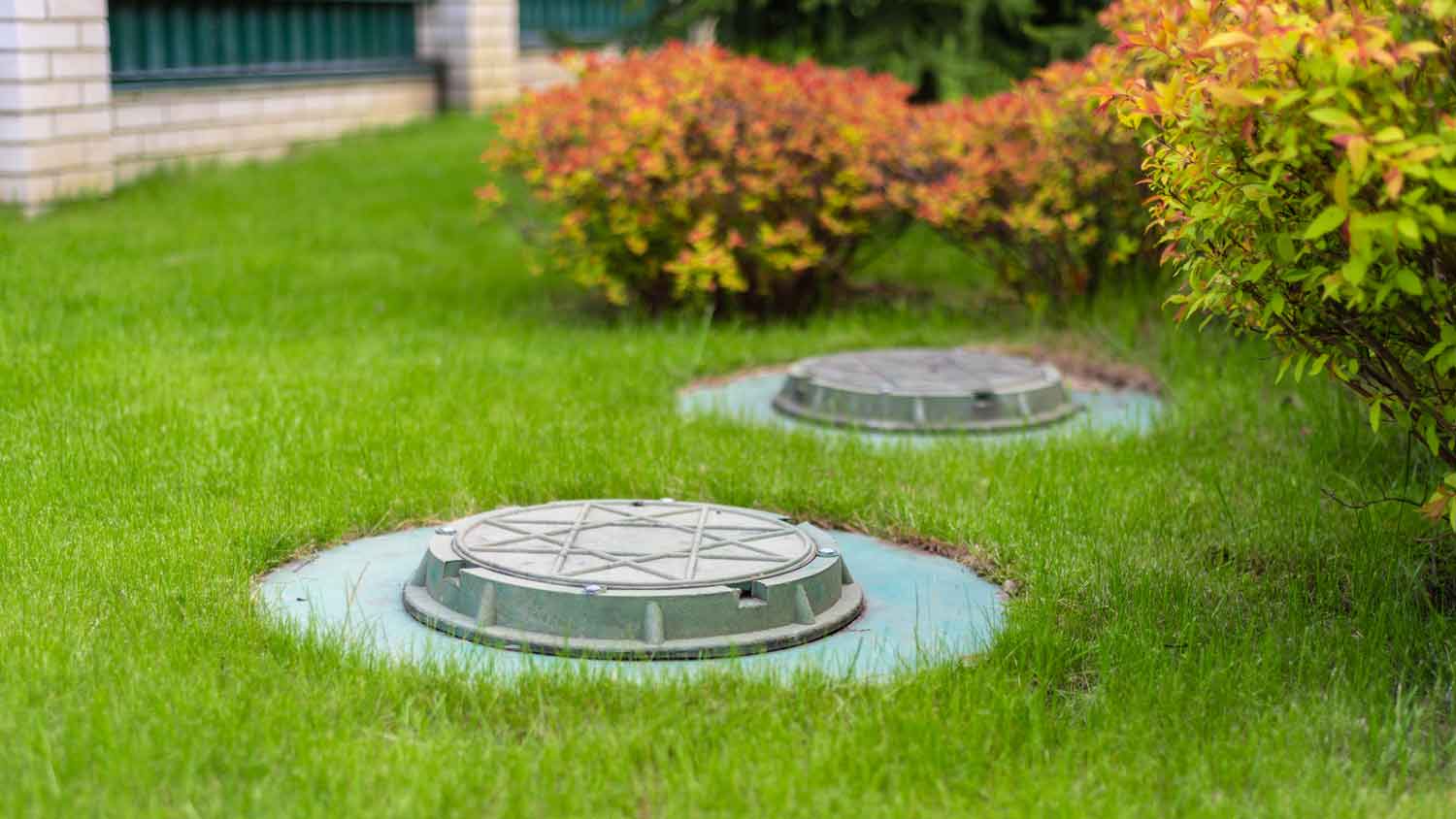
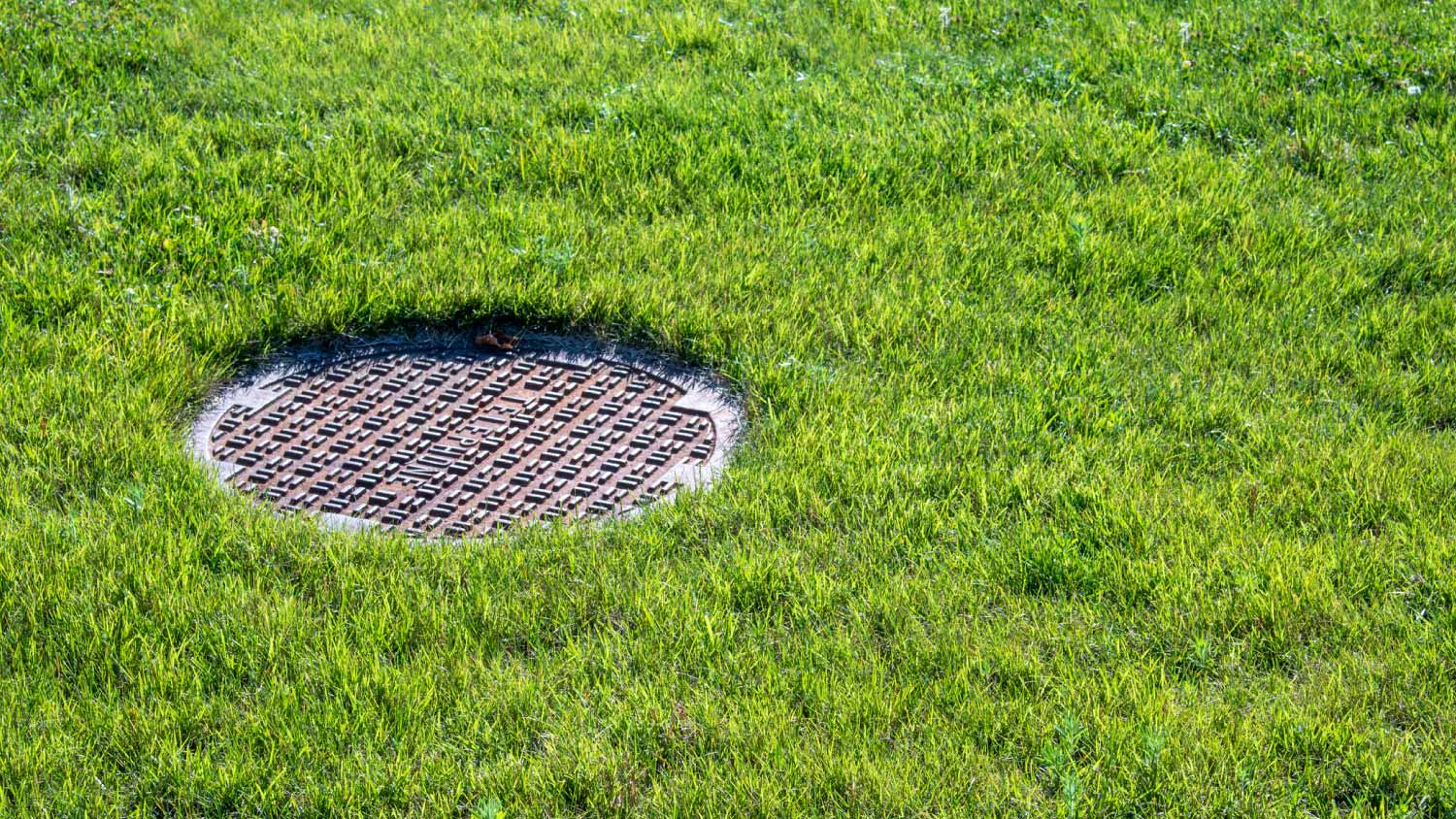
The smallest septic system available for purchase typically includes a 750-gallon tank. However, the smallest size you can legally install is determined by local regulations, and many areas require a minimum capacity of 1,000 gallons. The cost to install a small septic system generally ranges from $2,910 to $13,900. Before proceeding, it is essential to check with your local health department or consult a local septic professional to confirm the minimum legal requirements in your area.
Well water is often assumed to be hard because of its high mineral content. Hard water can lead to mineral build-up in your pipes and appliances. You can manage hard water by installing a whole-house filter system. These systems can help extend the life of your water-reliant appliances like your hot water tank and dishwasher.
Most shallow residential wells are somewhere between 25 and 50 feet deep. They are among the simplest well systems. Deeper wells usually involve drilling to a much greater depth. Water wells for household use are typically 100 to 500 feet deep, depending on local groundwater conditions. Some may be up to 1,000 feet deep or more.
Options include submersible, jet, and centrifugal pumps. Choose based on water needs and well depth.
The Broadus, MT homeowners’ guide to septic tank services
From average costs to expert advice, get all the answers you need to get your job done.
It’s crucial to install a septic tank with the right volume to avoid wastewater backups. This guide will help you calculate the right septic tank volume.
Septic tank sizes vary depending on the size of your home, how many people live there, how much water you use, and more. Read on to learn how to determine the right size for you.