Install Above Ground Pools questions, answered by experts
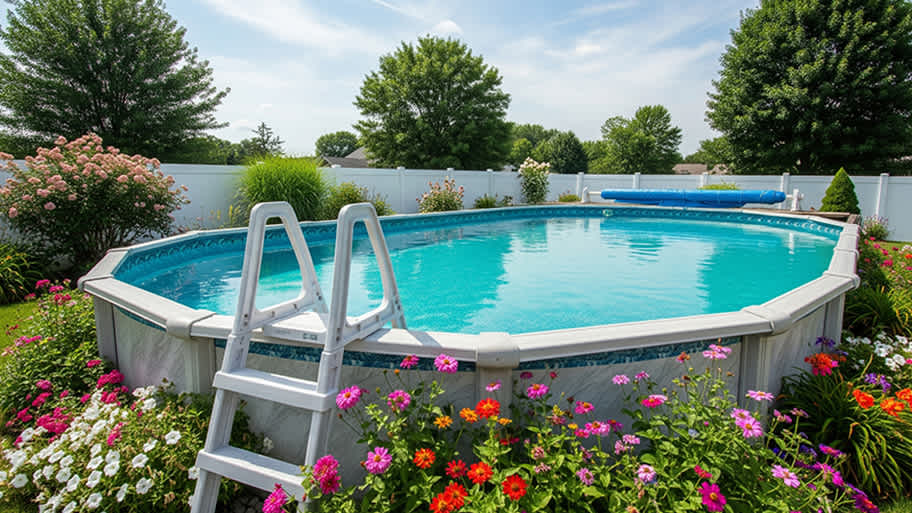
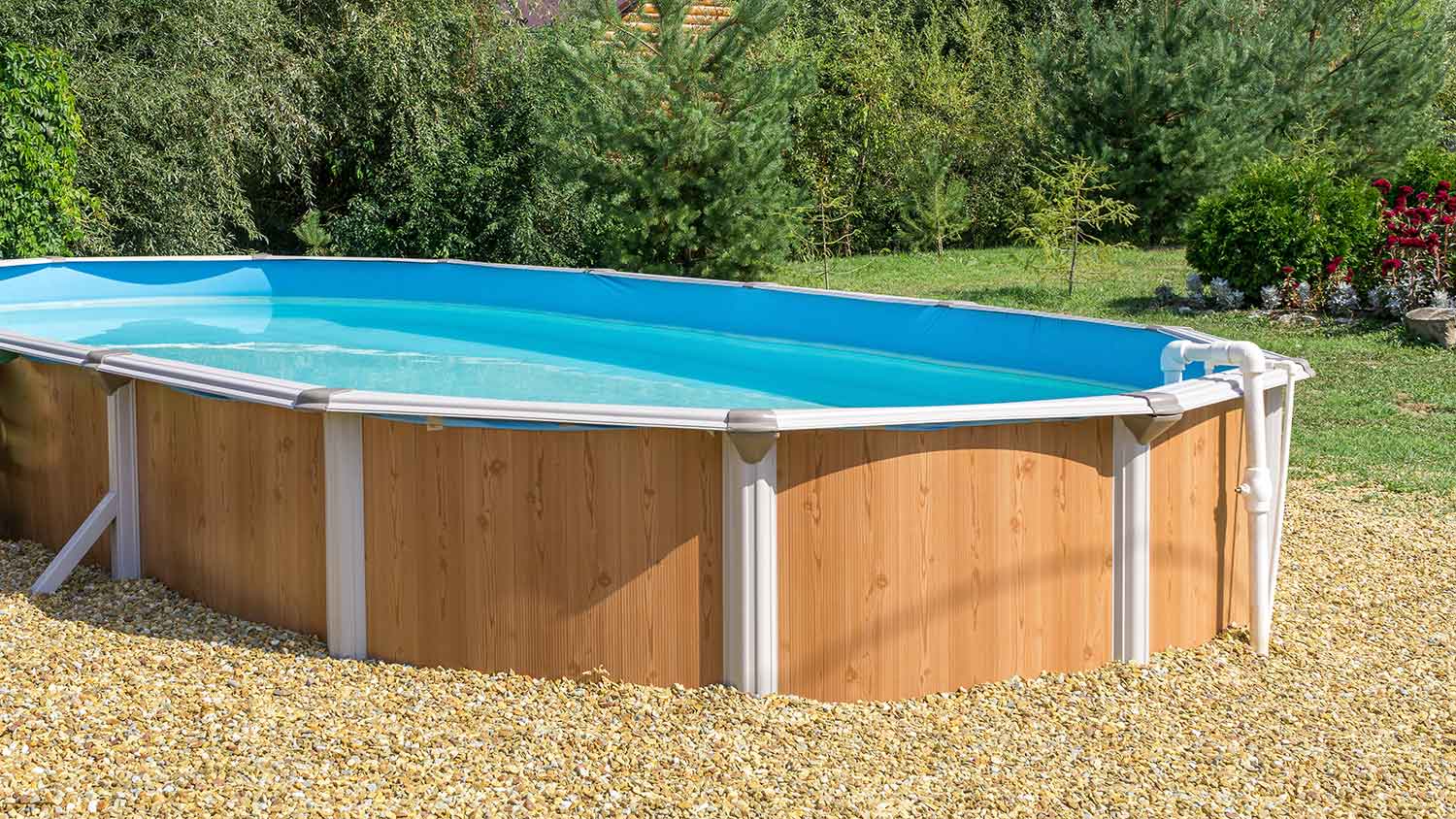
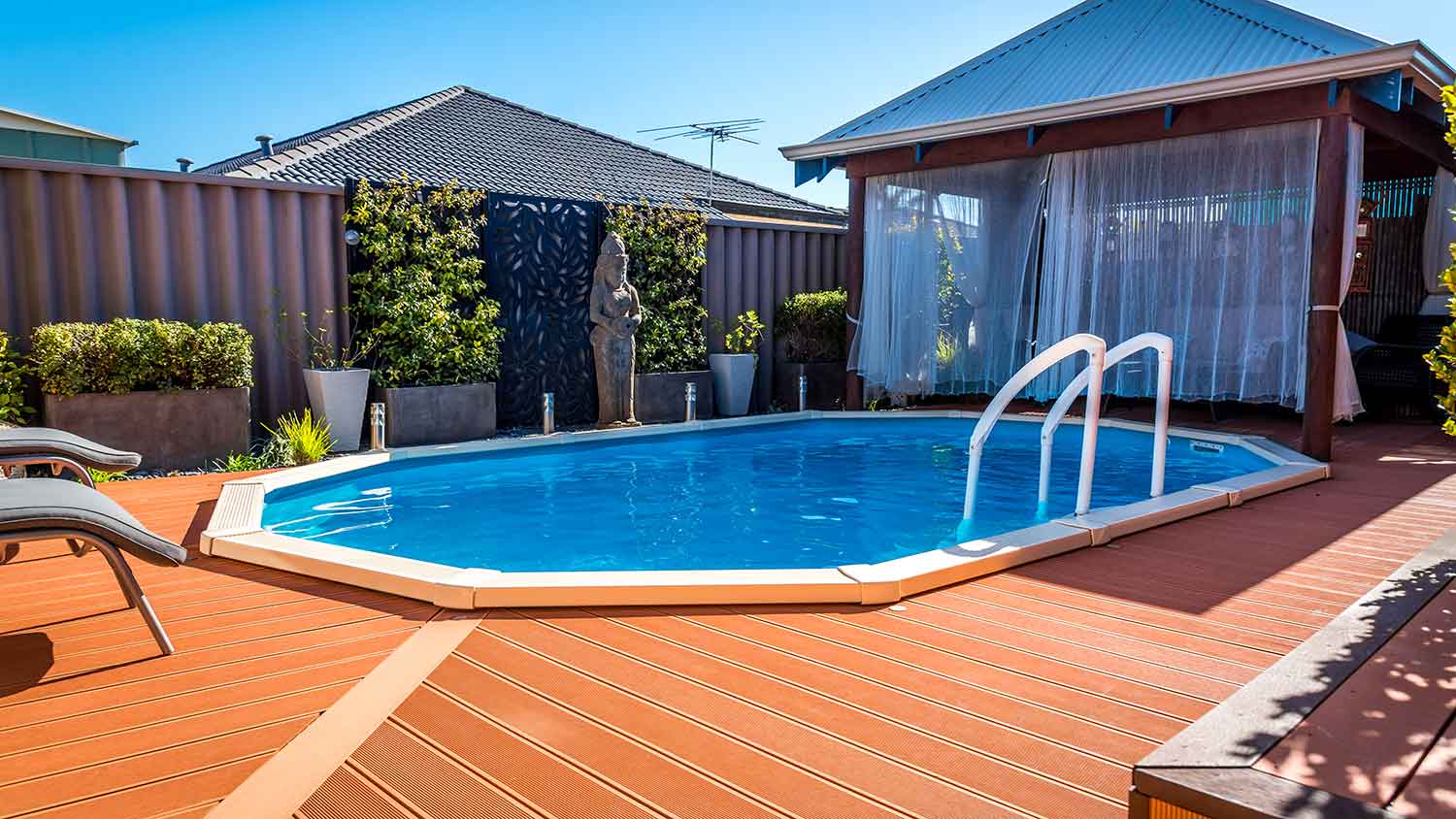
The popular 12-by-24-foot oval above ground pool is ideal for a family of four or a group of four to five people at most. This above ground pool size is popular for balancing space in a backyard and easy use and leaves room for designing a pool deck or patio.
Both above ground and inground pools can have pool liners. Inground pools made of gunite don’t need pool liners, and you’ve probably walked along an unlined pool and felt the ripples and ridges on the floors and walls. But adding a liner over gunite or other pool types helps protect the wall panels from algae growth.
You can spend less time and money on plunge pool maintenance since they are smaller than standard pools. These pools are easier to clean and maintain yourself than a swimming pool. But like any pool, you’ll need to clean the pool walls and floor, balance the chemicals, check the electrical equipment, make necessary repairs, etc.
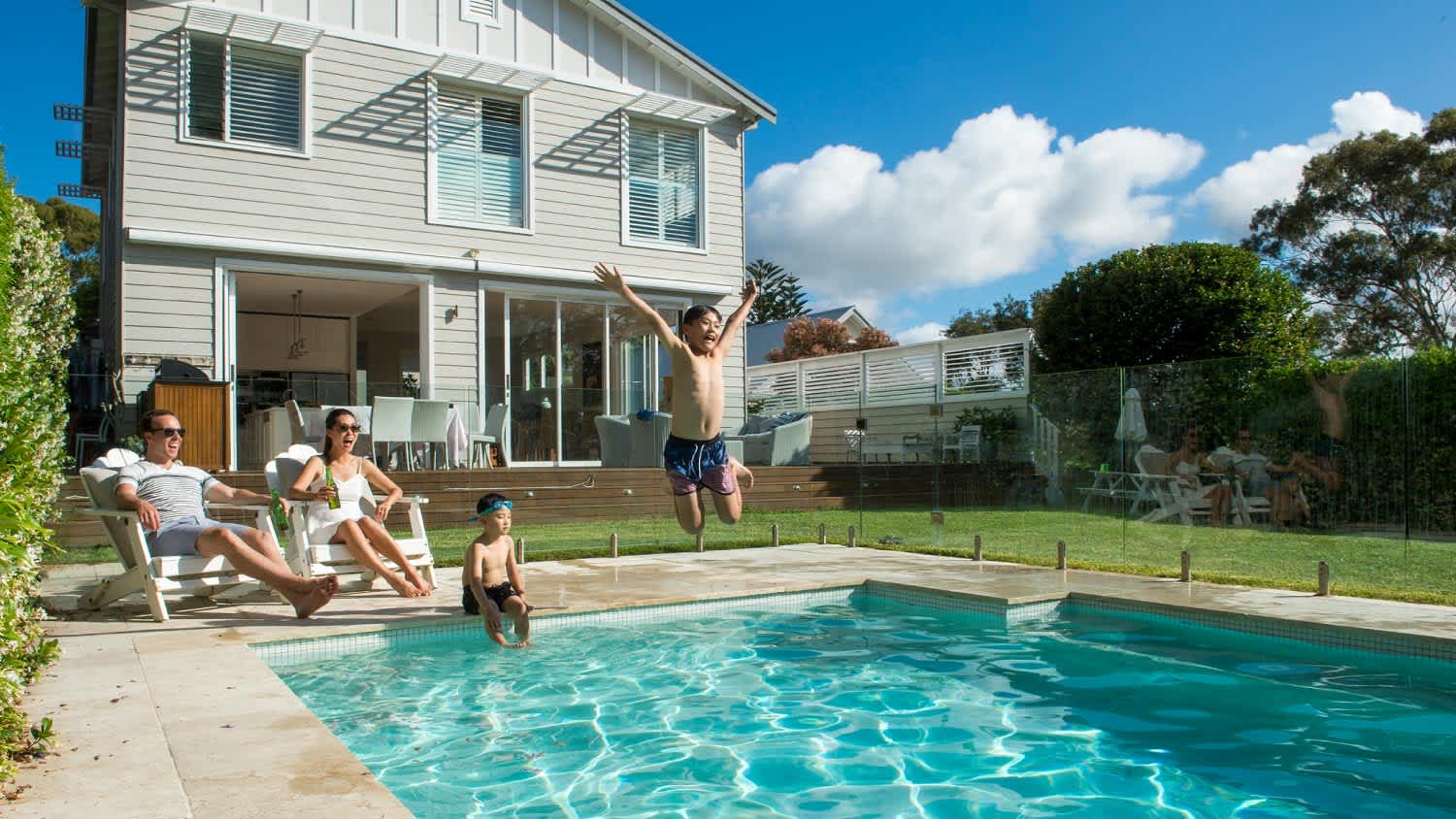
In most states, it is a legal requirement to have a fence around your pool to protect both swimmers and pool owners. These laws can vary by state, city, and county, so you must research the specific regulations in your area before installation. The rules may also differ for inground versus above-ground pools, with inground pools typically requiring a full fence. Additionally, most homeowners' insurance providers will require a fence around a residential pool before providing coverage. As a general rule, it's always best to have a fence for everyone's safety.
Yes, you can use chlorine tablets in a salt water pool. It is not the standard recommended practice, but if your pool needs more chlorine, adding tablets can help temporarily fix the problem. Only add as many tablets as needed to keep your chlorine level around three parts per million. After adding the tablets, test your water to determine the chlorine content.
The Broadus, MT homeowners’ guide to above ground pool installation services
From average costs to expert advice, get all the answers you need to get your job done.
Ready for a backyard oasis? Learn everything about above ground pool installation, including average costs, site prep, and how to hire local pool installers.
Above ground pools are more affordable than inground pools, so can you put an above ground pool in the ground to save money? Learn when it’s safe to do so.