





Get matched with top drywall pros in Wiggins, MS
Top-rated drywall pros.

Need a pro for your drywall service project in Wiggins, MS?

Select your specific project to find the pro for you.

Find Drywall pros in Wiggins

Avatar for DRY 247 WATER RESTORATION, LLC.
DRY 247 WATER RESTORATION, LLC.
5.0(
11
)

Serving Wiggins, MS and surrounding areas

Approved

In business since 2020

Emergency services offered

Credit card accepted

"Needed to fix water damage in one of our bathrooms. He provided excellent service. Very professional and knowledgeable. Fast turn around time - would definitely hire him again. Highly recommended!"
Dry 247 Painting Projects

+6

17 neighbors recently requested a quote
Recommended by11%of homeowners
Avatar for Moore Home Solutions -
Moore Home Solutions -
5.0(
8
)

Serving Wiggins, MS and surrounding areas

In business since 2018

Free estimates

Small jobs welcome

"The job was more difficult than expected. During a previous remodel (several years ago) an outlet box was covered by sheet rock and the wires were left loose in it. Mr. Moore tracked the problem I called about to the outlet box that was covered by sheet rock. He had to cut the sheet rock to find the exact location but before cutting he explained the situation and ask permission to cut the sheet rock. He installed an new outlet in the previously coveredbox and got the one I called about working, He also repaired the sheet rock and did an excellent job. When I need other repairs I will call him."
Bad door
Before pic
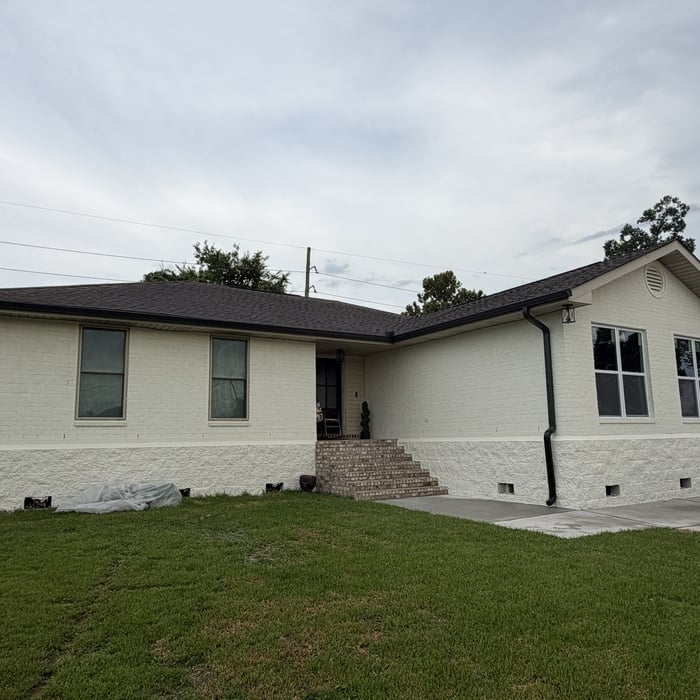
Finished exterior with 2 new doors
Peel/Stick
Interior Hall

+12

Response time1 day
Response rate91%
Recommended by87%of homeowners
...
Showing 1-10 of 127
Drywall questions, answered by experts

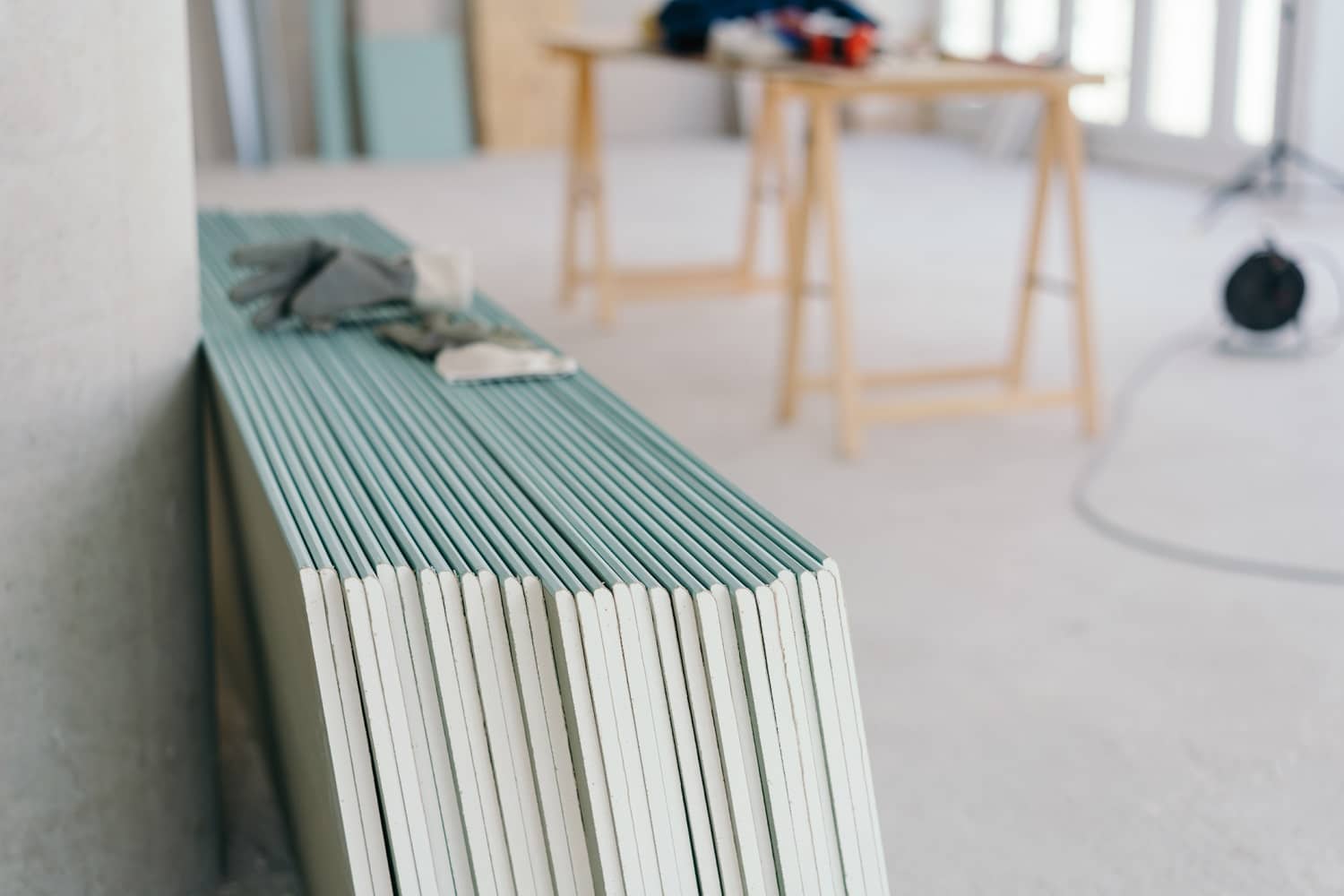
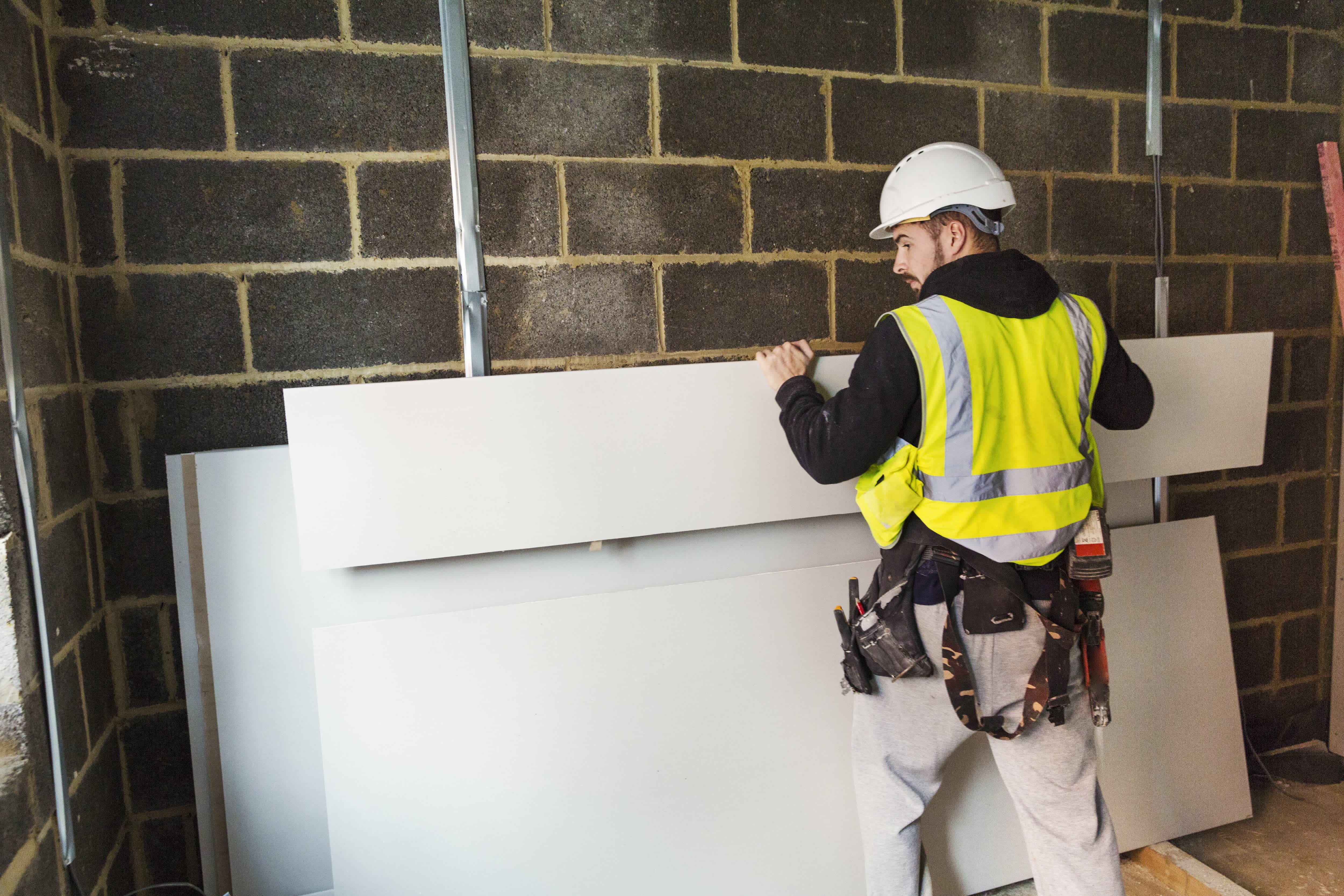
The two most common drywall thicknesses for ceilings are 1/2-inch and 5/8-inch. For most standard residential applications, 1/2-inch drywall is sufficient and widely used. It provides adequate support and is lighter and easier to handle during installation compared to thicker sheets. However, 5/8-inch drywall is often used for specific cases where additional benefits are needed. It is heavier but provides superior sound dampening and fire resistance. You should consider using 5/8-inch drywall for ceilings in commercial buildings, between a garage and a living space, or above a finished basement to meet building codes or for enhanced soundproofing.

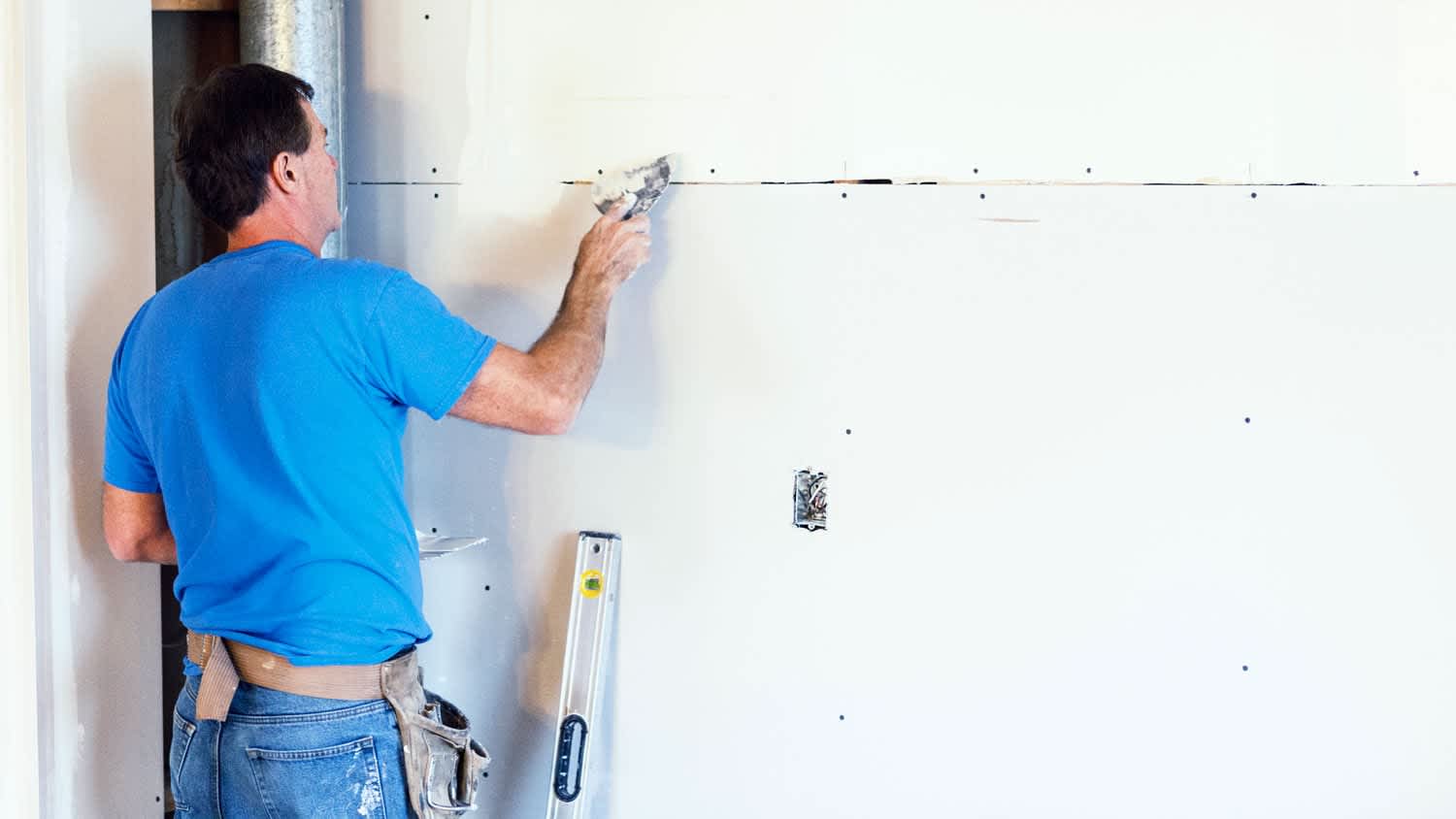
When used correctly, drywall patch kits can work well. However, there are limitations. Specifically, these kits can only cover holes up to 5 inches in diameter. For anything larger than that, you’ll need to cut out the affected section of drywall and replace it with a new piece. That’s a far more complicated process that involves buying the right type of drywall, finding the wall studs, cutting into your wall, and screwing the replacement drywall in place.

You should not leave drywall outside, especially overnight or in a wet, humid climate. Exposure to rain and humidity can damage the drywall, weakening its structural integrity and making it susceptible to mold growth. If you must leave drywall outside during a project, be sure to cover it with a tarp or keep it inside a storage shed to protect it. Even drywall intended for exterior projects requires a protective moisture barrier. For best results, store any extra drywall in a dry area away from the elements.

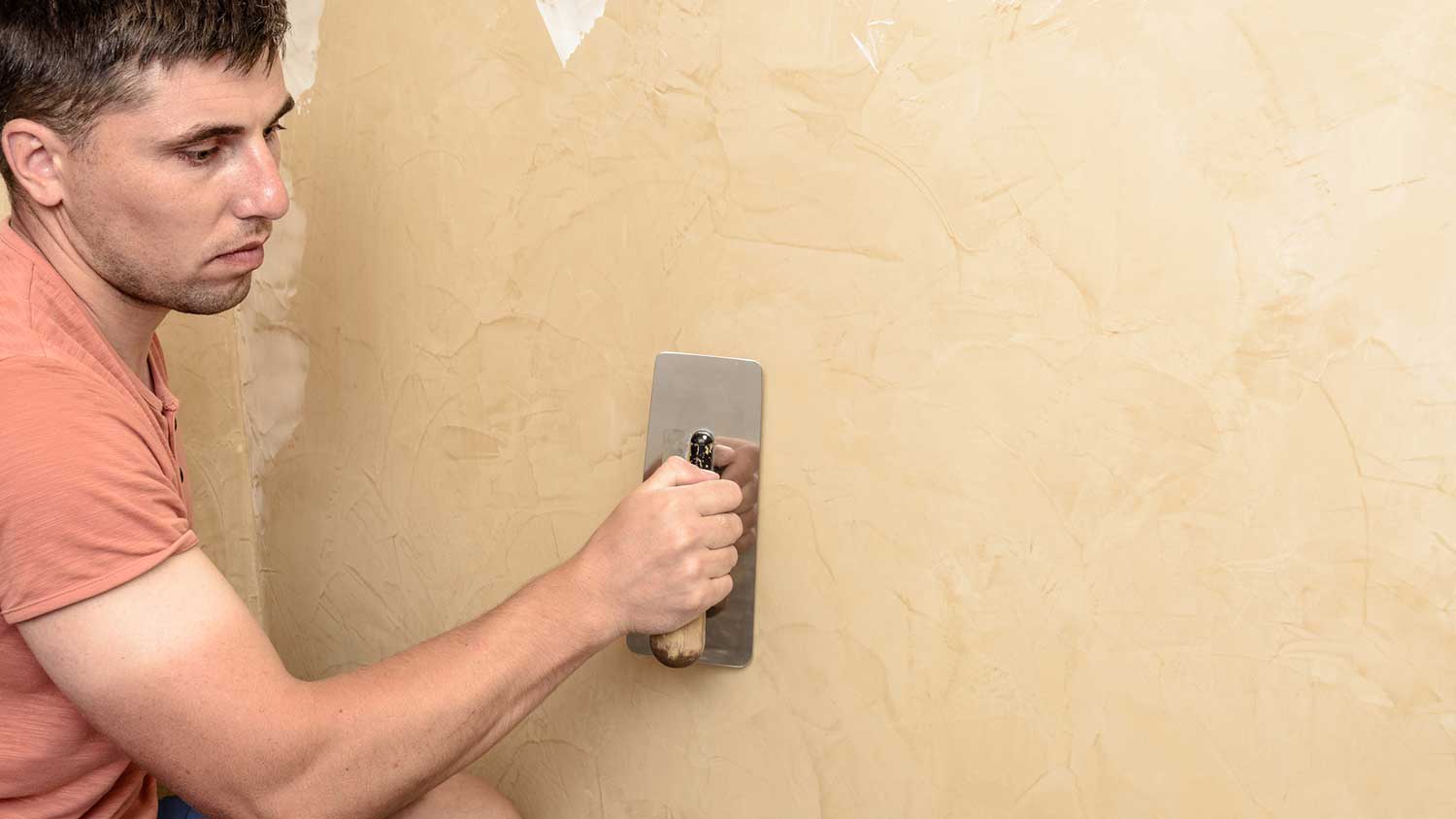
This depends on how much plaster is applied and in how many layers, but a decent estimate is around 150 square feet. If you are applying only two coats on a small wall, there is a chance you may only need one or two gallons for the entire project. If you are plastering a large living room wall with high ceilings, using one of the more involved techniques–like Scagliola–that requires several coats, expect the project materials costs to add up quickly. 

A common cause of separation between a wall and the ceiling is truss lift—this can happen to the ceiling of rooms directly under the attic when the seasons change and wood building materials dry out, shrink, and shift. Roof trusses often dry out at different speeds, and if the bottom pieces dry out faster than the top pieces, they can shrink and pull the attached drywall away from ceilings and walls, causing cracks. Fortunately, truss lift is only a cosmetic problem, not a structural problem, and you can fix it by separating the ceiling drywall from the roof trusses, and patching the cracks.

The Wiggins, MS homeowners’ guide to drywall services

From average costs to expert advice, get all the answers you need to get your job done.