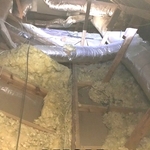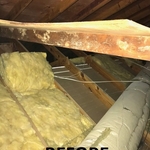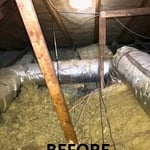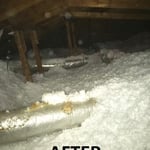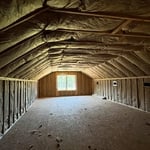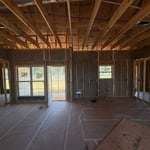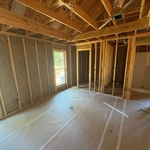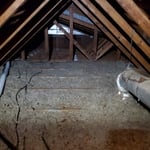





Top-rated drywall insulation pros.

Get matched with top drywall insulation pros in Richland, MS

Enter your zip and get matched with up to 5 pros

Need a pro for your drywall insulation project in Richland, MS?

Select your specific project to find the pro for you.

TRUSTED BY RICHLAND, MS HOMEOWNERS

  • Average homeowner rating star icon4.8
    Average homeowner rating
  • Verified reviews icon32
    Verified drywall insulation services reviews

Find Drywall insulation pros in Richland

Avatar for Green Leaf Insulation
Green Leaf Insulation
5.0(
4
)
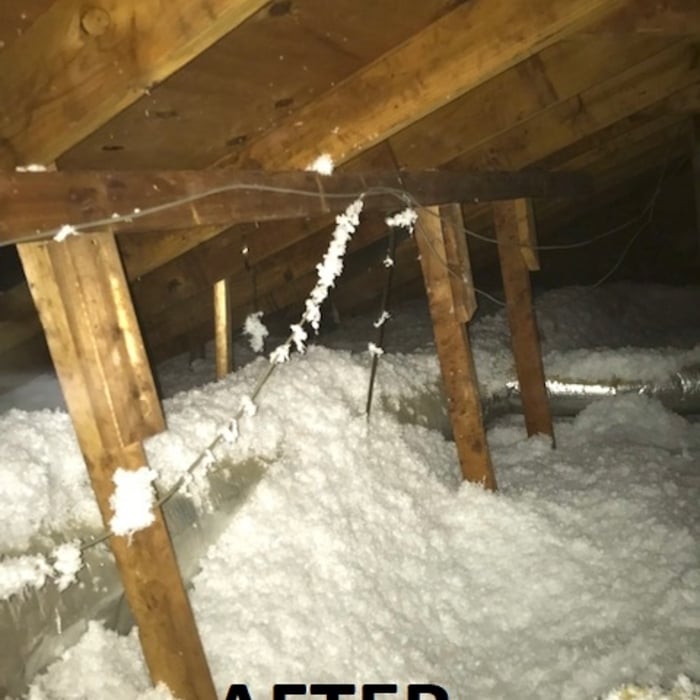
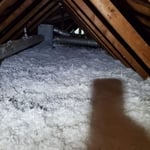
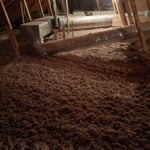
Blown-In Insulation - Install or Upgrade

Serving Richland, MS and surrounding areas

Free estimates

Emergency services offered

Credit card accepted

"The job went great! They were on time and completed the job in a timely manner! They even saw some void space that I didn’t know about and insulated them properly as well!! This is my insulation company to call if I ever need any!!"
Insulation Project
Pest Control/Exterminating Project
Additional Photos
Additional Photos
Recommended by100%of homeowners
Showing 1-10 of 30
Drywall Insulation questions, answered by experts

You should stagger drywall sheets to help prevent cracking. The joints between drywall sheets are the weak spots, so if you install drywall with seams aligned, you’ll create weak lines that run across the length of the wall and extend from floor to ceiling. But when you stagger drywall, the solid sections of panels will support the joints. This can prevent seams from cracking or separating due to fluctuating temperature and humidity, vibrations from movement inside the home, and gravity.

A nail in drywall cannot hold very much—usually only a few pounds. A nail in a stud can add support and hold around 20 pounds. If you are trying to hang something heavier, get some help from drywall anchors—toggle bolts are very strong and able to withstand more weight.

There are several benefits to wet-sanding drywall, but the main perk is that it produces far less dust than dry-sanding. As a result, wet-sanding poses fewer health risks and makes less of a mess in your home. Plus, damp sponges are less abrasive than sandpaper, so there’s a smaller chance of scratching or damaging the drywall paper. Wet-sanding also creates a smoother finish than dry-sanding.

In some minor cases, you can DIY drywall repair with minimal time and money spent. This method is best when you have a hole made by a singular problem, such as accidental furniture moving, and not a continuous problem, like a rodent infestation. 

Knowing what product to use is crucial. For example, small holes only need spackle, whereas large holes might need a new piece of drywall. You can flex your DIY abilities on this project, but if you’d like a second opinion or have a more significant problem, it’s best to call in a drywall repair pro.

You can plaster over regular drywall, but it's essential to prepare the surface properly. Before plastering, the drywall should be clean, free of dust, and any loose or peeling paint should be removed. Applying a primer specifically designed for plastering can improve adhesion. Some professionals recommend applying a base coat of plaster or joint compound to create a better surface for the plaster to adhere to. Proper preparation ensures a smooth and durable plaster finish over regular drywall.

The Richland, MS homeowners’ guide to drywall insulation services

From average costs to expert advice, get all the answers you need to get your job done.