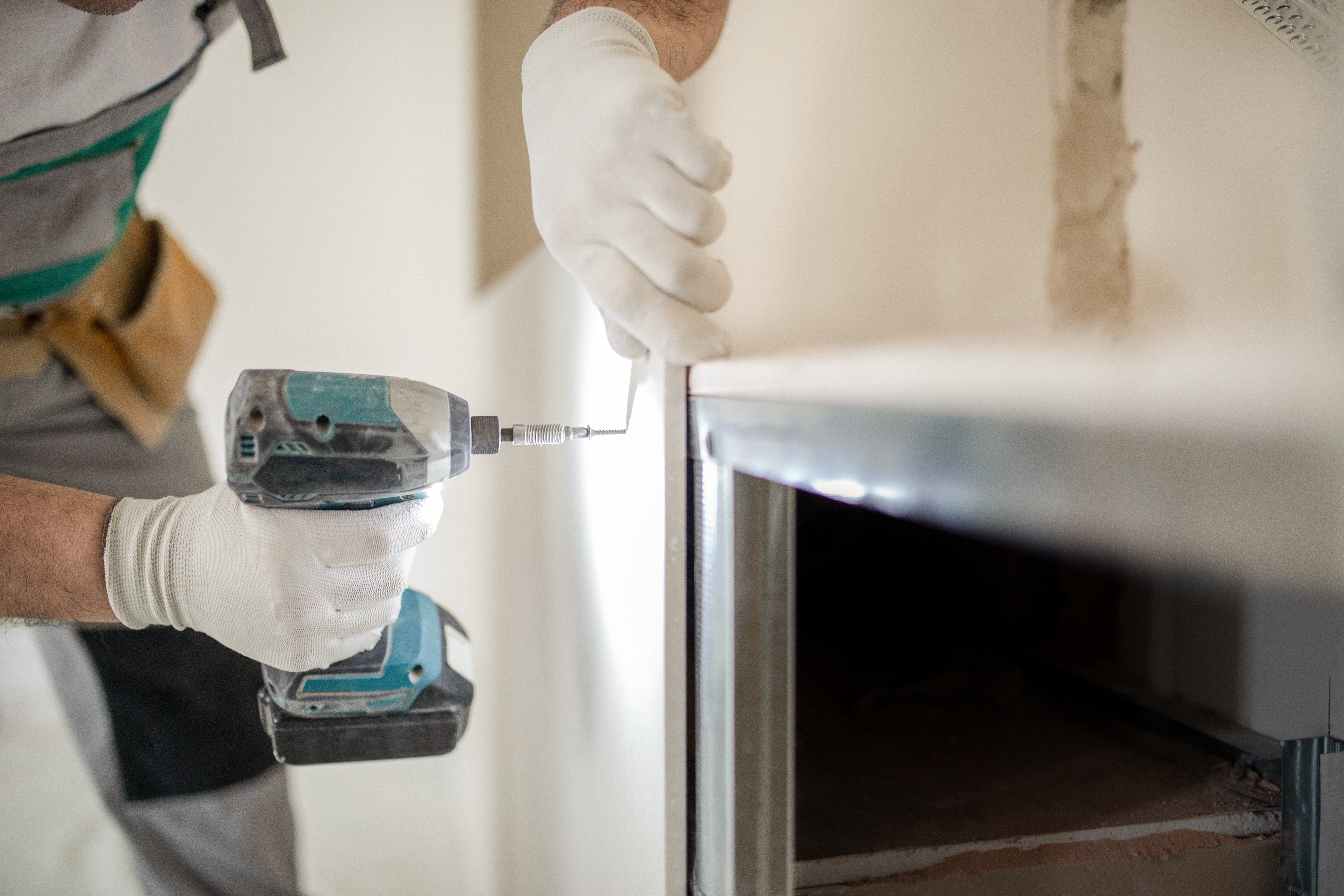





Top-rated drywall insulation pros.

Get matched with top drywall insulation pros in Pearl, MS

Enter your zip and get matched with up to 5 pros

Need a pro for your drywall insulation project in Pearl, MS?

Select your specific project to find the pro for you.

TRUSTED BY PEARL, MS HOMEOWNERS

  • Average homeowner rating star icon4.8
    Average homeowner rating
  • Verified reviews icon36
    Verified drywall insulation services reviews

Find Drywall insulation pros in Pearl

Avatar for Koala Insulation of Jackson
Koala Insulation of Jackson
5.0(
4
)

Serving Pearl, MS and surrounding areas

Approved

In business since 2023

Free estimates

Warranties offered

"Koala was great, they suggested an alternative solution which was priced much better than the doom and gloom contractors that bid before them. I would hire them again."
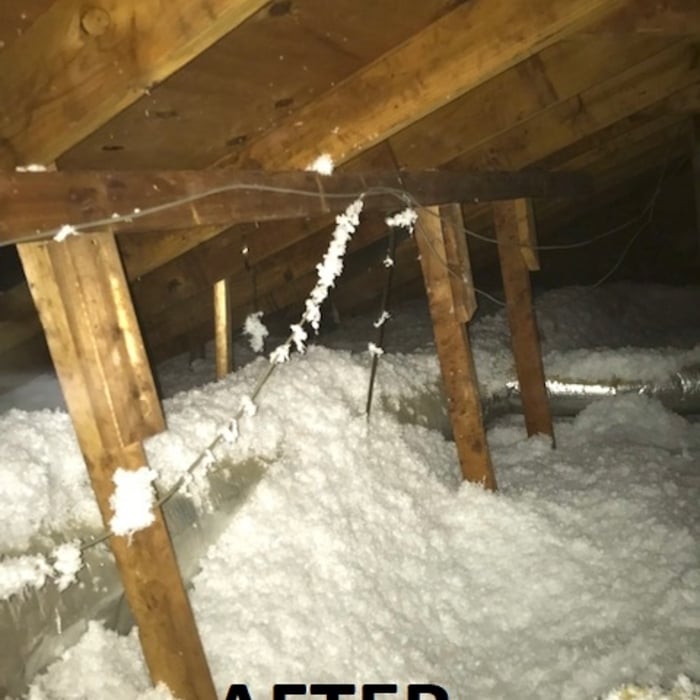
Closed Cell Ceiling
Closed Cell Ceiling
Spray Foam Walls
Response time10 hrs
Response rate90%
7 neighbors recently requested a quote
Avatar for Green Leaf Insulation
Green Leaf Insulation
5.0(
4
)

Serving Pearl, MS and surrounding areas

Free estimates

Emergency services offered

Credit card accepted

"The job went great! They were on time and completed the job in a timely manner! They even saw some void space that I didn’t know about and insulated them properly as well!! This is my insulation company to call if I ever need any!!"
Insulation Project
Pest Control/Exterminating Project
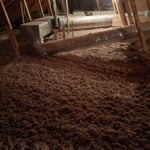
Additional Photos
Additional Photos
Recommended by100%of homeowners
Showing 1-10 of 31
Drywall Insulation questions, answered by experts

Yes, small, superficial cracks are normal as homes settle. Older homes have a higher chance of showing signs of settling through hairline cracks from temperature changes, moisture changes, and soil shifting. However, larger cracks, or discolored cracks from water damage, may signify a bigger problem that requires reparations and preventative measures.

While every home has its own unique needs, ceiling drywall installation typically follows a staggered or stepped pattern to enhance structural integrity and reduce the visibility of seams. Starting from one corner, sheets are placed perpendicular to the ceiling joists, with the ends of adjacent sheets meeting along the center of the joist. The next row begins with a half sheet, ensuring joints don't align vertically. This alternating pattern, combined with proper taping and mudding, creates a seamless appearance and strengthens the ceiling structure, minimizing the risk of cracks over time.

Yes, even if you’re being careful, removing tile can damage your drywall to some degree. However, you can minimize the damage done to it by eliminating a majority of the grout and taking your time prying each tile off. Also, it's worth noting that you might have more drywall damages to deal with if your tile is set into the mortar.

Deciding whether to repair or replace drywall can be tricky, but your top considerations should be the extent of the damage and what caused the damage. For instance, if you need to repair a small hole caused by a doorknob that hit the wall, you can safely patch it without a second thought. However, if you have significant drywall damage caused by water damage, it’s best to thoroughly remove the drywall to inspect and repair the pipes behind it before replacing it.

Both plaster and drywall are durable wall finishes, but they differ significantly in installation, cost, performance, and aesthetics.

Installation & Cost: Drywall installation is faster and more affordable, typically costing $1.50 to $3 per square foot. It uses premade sheets, making it a more accessible DIY project. Plastering is a labor-intensive craft that requires specialized skills, pushing costs to $2 to $10 per square foot. It involves applying a wet paste over a lath framework.

Durability & Performance: Plaster is generally more durable, longer-lasting, and provides superior soundproofing. It is also a better insulator, which can help reduce energy costs. Drywall is easier to remove for future renovations.

Aesthetics: Drywall provides a smooth, uniform surface ready for paint or texture. Plaster offers a high-end, naturally textured look that can hide imperfections and is often preferred for achieving a classic or historic aesthetic.

Which is better? The choice depends on your priorities. Drywall is ideal for those prioritizing a lower upfront cost, faster installation, and DIY potential. Plaster is the better option for a higher-end project where durability, soundproofing, and a unique, premium finish are more important than the initial cost.

The Pearl, MS homeowners’ guide to drywall insulation services

From average costs to expert advice, get all the answers you need to get your job done.