

Top-rated drywall insulation pros.

Get matched with top drywall insulation pros in Raymond, MS

Enter your zip and get matched with up to 5 pros

Need a pro for your drywall insulation project in Raymond, MS?

Select your specific project to find the pro for you.

TRUSTED BY RAYMOND, MS HOMEOWNERS

  • Average homeowner rating star icon4.4
    Average homeowner rating
  • Verified reviews icon50
    Verified drywall insulation services reviews

Find Drywall insulation pros in Raymond

Avatar for Koala Insulation of Jackson
Koala Insulation of Jackson
5.0(
4
)

Serving Raymond, MS and surrounding areas

Approved

In business since 2023

Free estimates

Warranties offered

"Koala was great, they suggested an alternative solution which was priced much better than the doom and gloom contractors that bid before them. I would hire them again."
Closed Cell Ceiling
Closed Cell Ceiling
Spray Foam Walls
Response time10 hrs
8 neighbors recently requested a quote
Recommended by75%of homeowners
Avatar for Green Leaf Insulation
Green Leaf Insulation
5.0(
4
)

Serving Raymond, MS and surrounding areas

Free estimates

Emergency services offered

Credit card accepted

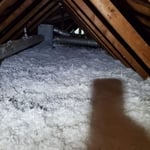
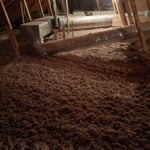
"The job went great! They were on time and completed the job in a timely manner! They even saw some void space that I didn’t know about and insulated them properly as well!! This is my insulation company to call if I ever need any!!"
Insulation Project
Pest Control/Exterminating Project
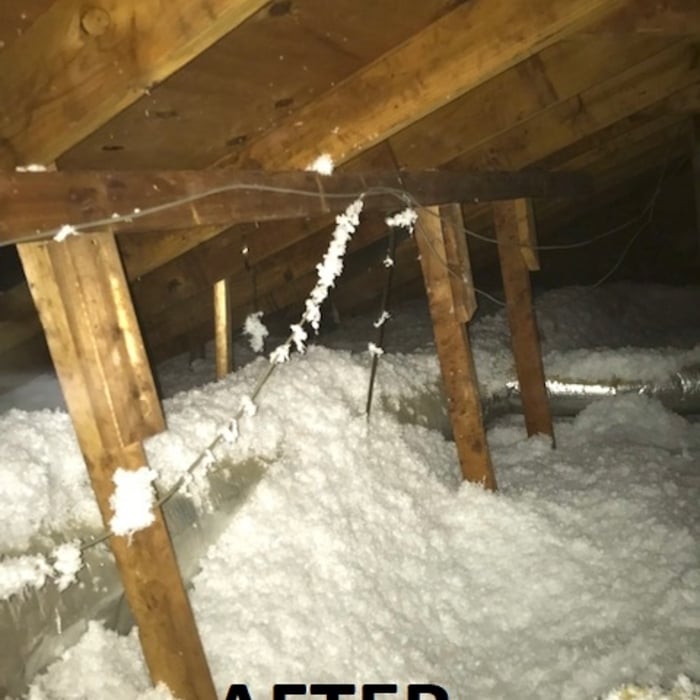
Additional Photos
Additional Photos
Recommended by100%of homeowners
Avatar for Wyatt Insulation, LLC
Wyatt Insulation, LLC
4.2(
10
)

Serving Raymond, MS and surrounding areas

In business since 2005

Free estimates

Credit card accepted

"Scheduling was prompt, and work was done on time. Technitions were knowledgeable and curtious, and the process was explained to my satisfaction and cleanup was thourgh. Would highly recommend Wyatt Insulations to anyone needed attic insulation replacement."
Response time2 days
Recommended by100%of homeowners
Showing 1-10 of 28
Drywall Insulation questions, answered by experts

Although they are used for similar tasks, spackle and joint compound are not the same. Joint compound, also known as drywall mud, consists of limestone and gypsum and is primarily used for large-scale projects like taping and finishing seams on new drywall. Spackle is composed of gypsum and binding agents, making it a thicker compound best suited for small wall repairs like filling nail holes or cracks, as it dries quickly and is easy to sand. For small repairs, either product can be suitable. However, you can use joint compound for small jobs in place of spackle, but you cannot use spackle for large-scale taping and mudding projects.

Plastering lasts for around 15 to 20 years without needing repairs or maintenance in most cases, and with proper upkeep, plastering can last a lifetime—sometimes more than 100 years. Plaster repair costs between $1 and $3 per square foot, and you may need these services once every 15 to 20 years or so unless you have a harsh climate where humidity changes are a constant issue. You can also opt to skim-coat plaster for between $0.90 and $1.30 per square foot, which may serve you better in the long run.

Plaster is a beautiful finish but is labor-intensive to install and remove. It’s vulnerable to cracking and more sensitive to moisture variance than drywall. Installing plaster on a new wall is an expensive process that can take days to weeks, depending on the scope. Removing a plaster wall can also be quite expensive and time-consuming.

While certain types of textured walls can seem dated (looking at you, popcorn), textured walls are a common sight in both older and more modern homes. The main reason textured walls may be here to stay is that they are an excellent way to hide minor imperfections on a wall and give it a finished appearance. Some homeowners think a coat of paint on drywall is a bit industrial-looking. However, that look works perfectly in modern home design

Whether you apply the drywall mesh before or after drywall mud depends on the type of patch it is. For self-adhesive patches, you’ll put the patch down first and then coat it with mud. Mesh patches that are not self-adhesive will require you to put mud down first and then press the mesh into it, followed by additional coats of mud.

The Raymond, MS homeowners’ guide to drywall insulation services

From average costs to expert advice, get all the answers you need to get your job done.