



Top-rated electricians.

Get matched with top electricians in Port Gibson, MS

Enter your zip and get matched with up to 5 pros

Need a pro for your electrical service project in Port Gibson, MS?

Select your specific project to find the pro for you.

Find Electricians in Port Gibson

Avatar for 4LP, LLC
4LP, LLC
3.9(
11
)
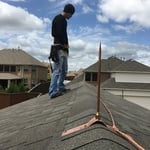
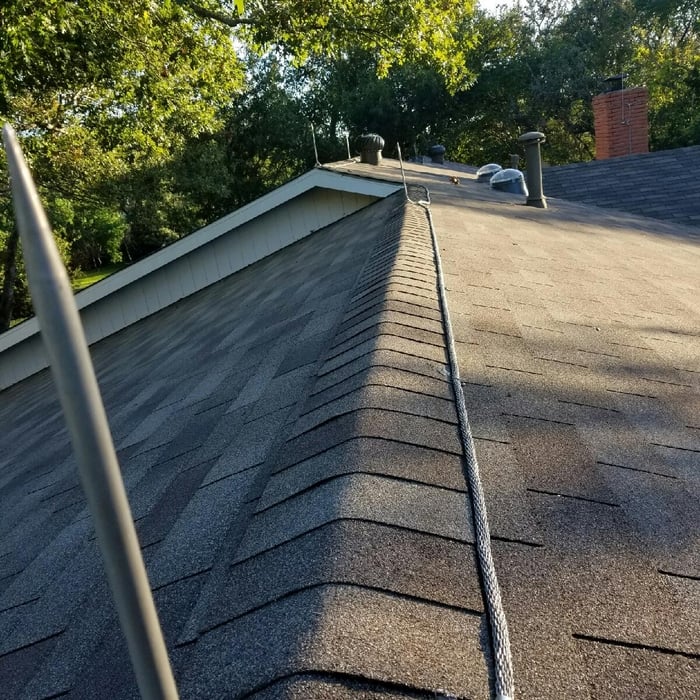
Lightning Protection - Install or Repair

Serving Port Gibson, MS and surrounding areas

Approved

In business since 1996

Free estimates

Customers say: Quick response

"Very professional Sales and installation staff. No pressure sales here. They did not try to oversell product that were not necessary for our situation. The installation crew worked quick. The install was neat and professional."
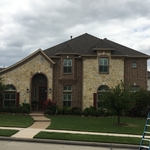
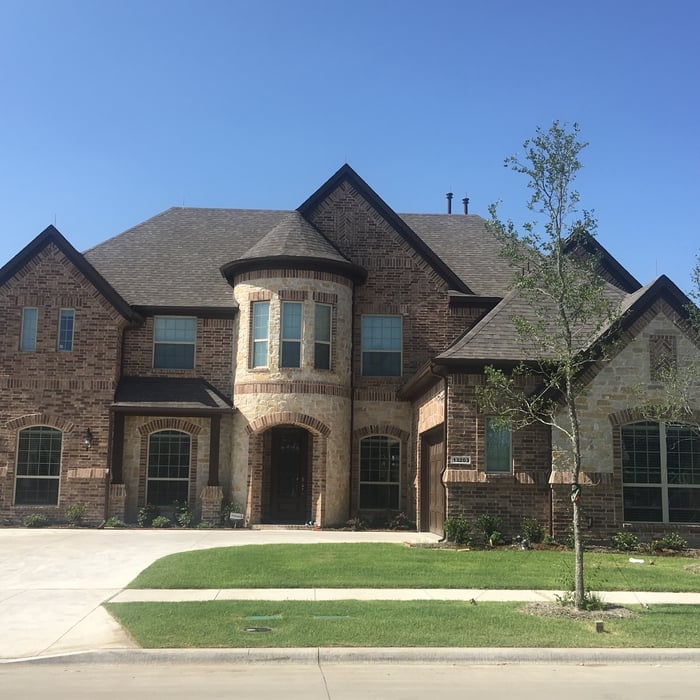
Side View
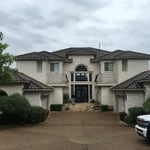
Front View
Front View
Balcony View
River View

+3

Recommended by100%of homeowners

Nail Electric
New to Angi
Ceiling Fan - InstallCeiling Fan - RepairPortable Generator - Repair+3 more

Serving Port Gibson, MS and surrounding areas

Approved

Hey everyone my names Parker Nail. I’m excited to launch my LLC. I’ve been doing Electrical work for 4 years now. I’m always looking for side work and would be happy to handle any type of electrical service needed. My goal is to provide quality and safe work that you can rely on. I’m available after I get off work during the week and on weekends.

...
Showing 1-10 of 83
Electrical questions, answered by experts

The most common gauge for indoor outlets around your home is 12- and 14-gauge wires. But if you’re working with larger appliances like ovens, washing machines, or dryers (all of which require more amplitude), you might find 10-, eight-, or six-gauge wires to help support those hefty appliances.

The most common type of electrical outlet is a 3-prong outlet, which has two flat blades (one is wider than the other) and a round grounding pin. Older homes typically have 2-prong outlets that aren’t as safe as more modern options and are generally not up to current electrical codes.  Other outlets you can find in your home include 20A, 125 volt varieties for larger appliances like refrigerators or washing machines. 

There are also GFCI outlets, which protect against electrical shock in wet areas, such as bathrooms and kitchens, and arc fault circuit interrupter (AFCI) outlets, which protect against electrical fires caused by arcing.

Three-way switches are only replaceable with three-way switches. A single-pole switch won't work if you replace one or more of a pair of three-way switches. By electrical code, three-way switch configurations are necessary at the top and bottom of a staircase between residential floors.

According to the National Electrical Code (NEC), GFCI outlets should be installed in wet or damp locations where they might be splashed with water or other liquids. This is to protect against ground faults, which are more common around water. Specific areas that require GFCI outlets include kitchens (especially near counters), bathrooms, laundry rooms, basements, garages, and all outdoor receptacles. Depending on local electrical codes, you may need at least one GFCI outlet in these rooms, or every outlet in the area may need to be GFCI protected.

Rewiring an electric system in a house typically ranges between $2,000 and $9,000, but a simple project can cost as low as $1,500. More complex upgrades run $10,000 or higher. The price depends on the size of your home, how accessible the wiring is, the cost of materials, and local electrician fees.

The Port Gibson, MS homeowners’ guide to electrical services

From average costs to expert advice, get all the answers you need to get your job done.