
Top-rated electricians.

Get matched with top electricians in Saint Joseph, LA

Enter your zip and get matched with up to 5 pros

Need a pro for your electrical service project in Saint Joseph, LA?

Select your specific project to find the pro for you.

Find Electricians in Saint Joseph

Avatar for Donohue's Lightning Rods
Donohue's Lightning Rods
4.3(
70
)

Serving Saint Joseph, LA and surrounding areas

Approved

In business since 1971

Free estimates

Emergency services offered

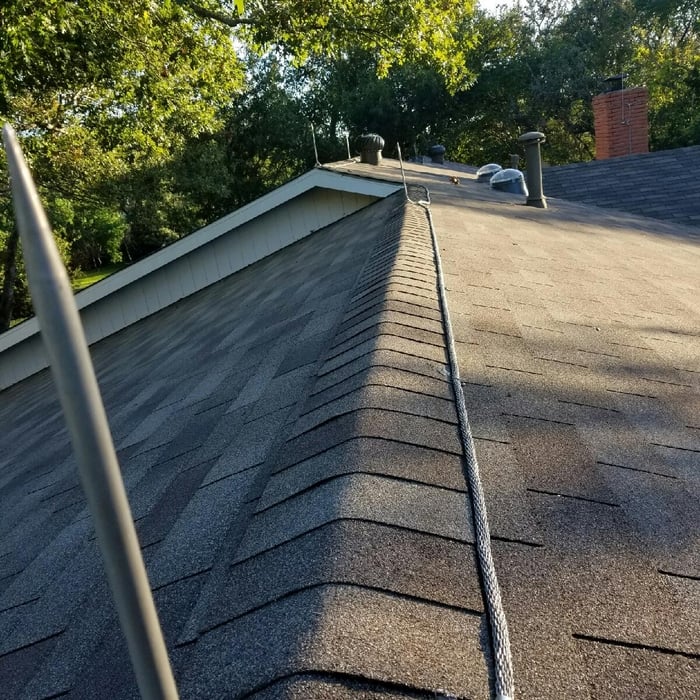
"Sent engineering drawings for review prior to starting work worked over the weekend to beat the insulation schedule on a new build."
Jobs from the last 3 year
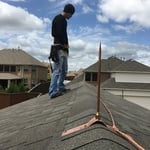
Lightning protection

+10

Response time1 day
76 neighbors recently requested a quote
Recommended by96%of homeowners
...
Showing 1-10 of 55
Electrical questions, answered by experts

The most common type of electrical outlet is a 3-prong outlet, which has two flat blades (one is wider than the other) and a round grounding pin. Older homes typically have 2-prong outlets that aren’t as safe as more modern options and are generally not up to current electrical codes.  Other outlets you can find in your home include 20A, 125 volt varieties for larger appliances like refrigerators or washing machines. 

There are also GFCI outlets, which protect against electrical shock in wet areas, such as bathrooms and kitchens, and arc fault circuit interrupter (AFCI) outlets, which protect against electrical fires caused by arcing.

A C-wire connects your thermostat to your household heating and cooling system to provide continuous 24V power. The furnace's transformer converts household electrical current into this low-voltage power to operate the HVAC system's circuitry. In most configurations, the C-wire connects to the terminals labeled "C" on both the furnace's low-voltage terminal block and the thermostat. In some cases, if a dedicated C terminal is unavailable, the C-wire can be connected to the "G" (fan) terminal at the furnace.

No. When applied properly, electrical tape is designed to be an insulating material with high resistance to electricity. It can reinforce electrical connections and act as a safeguard to help ensure the electrical current stays within its designated pathways. However, it’s important to note that it can break down over time and you should never use it as a replacement for electrical wire caps.

There are a few reasons your lights may be on, but the rest of your electrical outlets and appliances are not working. The first is that while one circuit blew out, the lights may be on another circuit than your other electrical fixtures. Alternatively, your powerless appliances may be plugged into a GFCI outlet that was tripped and needs to be reset. If these issues aren’t responsible for the problem, you may have dead outlets or a wiring issue. Either way, you should contact an electrician to identify and fix the issue.

Yes, hot tubs can use a significant amount of electricity, primarily to keep the water heated. A typical hot tub uses between 1,500 and 6,000 watts, and the pump can add another 1,500 watts. This usage can result in a monthly cost of around $20 to $30. The exact amount of electricity consumed depends on several factors, including the hot tub's age, size, heater voltage (120V vs. 240V), usage habits, and thermostat setting. Newer, energy-efficient models generally use less power than older ones. To reduce electricity costs, consider investing in an energy-efficient model, using a quality insulated cover with a thermal blanket, and keeping the filters clean.

The Saint Joseph, LA homeowners’ guide to electrical services

From average costs to expert advice, get all the answers you need to get your job done.

What do you need done? We’ll find top pros.
  • 🌱 "Mow a small front yard"
  • 🛠 "Fix a leaking pipe under the sink"
  • 🏠 "Repair shingles on an asphalt roof"