





Top-rated insulation pros.

Get matched with top insulation pros in Port Gibson, MS

Enter your zip and get matched with up to 5 pros

Need a pro for your insulation service project in Port Gibson, MS?

Select your specific project to find the pro for you.

Find Insulation pros in Port Gibson

Burson Insulation Services
4.6(
27
)
Blown-In Insulation - Install or UpgradeBatt, Rolled or Reflective Insulation - Install or Upgrade

Serving Port Gibson, MS and surrounding areas

Approved

In business since 2022

Free estimates

Small jobs welcome

"He contacted me fast and was personable, he came out gave me the quote and within two days started the job and finished quick. He installed insulation in attic and installed a new solar fan on roof. I Was present the entire time I can not say enough about how fast and good they worked."
Response time1 day
Response rate94%
25 neighbors recently requested a quote
Avatar for Florida Parish Foam
Florida Parish Foam
5.0(
7
)
Spray Foam Insulation - Install

Serving Port Gibson, MS and surrounding areas

In business since 2019

Free estimates

Credit card accepted

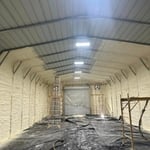
"I contacted Florida Parish Foam to come and give me a quote to spray my roof and shop, I have been shopping around for a contractors to do the work, Ronnie came out the next day took and look and gave me a price that was alot lower than all the other contractors. It was 3 days he was set up and spraying my house! The finish product was slick as glass! I highly recommend Florida Parish Foam for all your insulation needs!!!"
Response time2 days
Avatar for Queen City Insulation Co Inc
Queen City Insulation Co Inc
5.0(
4
)
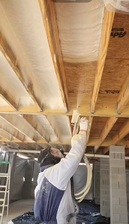
Batt, Rolled or Reflective Insulation - Install or UpgradeBlown-In Insulation - Install or UpgradeInjection Insulation - Install+2 more

Serving Port Gibson, MS and surrounding areas

"The receptionist took the call and told me to expect a all from the technician. He called back immediately to set up an appointment. Greg was quick and professional. I plan to hire them again if I need anything. I went into their office to pay the bill and the receptionist was very helpful and pleasant."
Additional Photos
Additional Photos
Additional Photos
Additional Photos
Additional Photos

+3

Recommended by100%of homeowners
Showing 1-10 of 25
Insulation questions, answered by experts

The life span of insulation is between 20 and 100 years. At that time, existing insulation can fall victim to gravity, resulting in compression, which reduces its insulating protection or R-value. If you can't simply add more insulation over the existing material, removing the old to increase the effectiveness of the new can reduce your energy bills and make the project worth the time and money investment.

The most obvious con of injection foam is the cost. It’s much more expensive to install than fiberglass or spray foam, but it may be your only option (unless you want to remove entire walls around the home). Another con is that it involves drilling into existing material, which has to be repaired after the foam is injected. Some injection foams are made from products that aren’t environmentally friendly, and improper installation can lead to trapped moisture, which can lead to expensive mold remediation down the road. 

Exposed ductwork can sweat just like ductwork placed behind walls, sometimes even more so. Ductwork sweats—like a cold drink on a hot day—because of a temperature imbalance between the air in the duct and the air in the room. In a crawl space or wall, this temperature can equalize faster due to the small space but in lofts and open rooms, that wouldn’t happen as quickly. Many people insulate their ducts for this reason.

R-30 insulation is better for higher thermal resistance, but whether it’s "better" depends on the application. R-30 is much thicker and suited for areas like attics or floors in cold climates, where more insulation is required. R-13, on the other hand, is thinner and works well for 2x4 walls or milder climates where less insulation is sufficient. Choosing between R-13 and R-30 depends on the area being insulated and the climate. For example, R-30 provides more insulation but may not fit everywhere in your home.
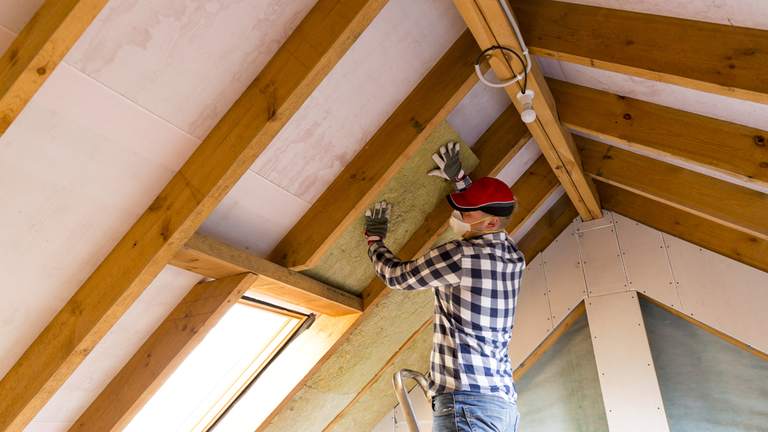
Cellulose insulation is usually made from recycled paper products, such as old newspapers, but cellulose might also contain recycled denim. While most homeowners traditionally buy cellulose insulation to use for installation, it is possible to make your own at home with old newspapers, cardboard, a paper shredder, and boric acid (important for fireproofing your cellulose insulation materials).

The Port Gibson, MS homeowners’ guide to insulation services

From average costs to expert advice, get all the answers you need to get your job done.