



Top-rated excavation pros.

Best excavation pros near Gloster, MS

Enter your zip and get matched with up to 5 pros

Need a pro for your excavation project in Gloster, MS?

Select your specific project to find the pro for you.

Top-Rated Excavation pros in Gloster - Updated Nov 2026

Rimes Excavating and Dozer Work
5.0(
1
)
Building Site - Preparation and ClearingBuilding Site - Preparation and Clearing - For BusinessExcavation - Major Grading or Resloping+1 more

Serving Gloster, MS and surrounding areas

In business since 2019

Free estimates

Rimes Excavating and Dozer Work proudly serves our customers with pride, integrity, and attention to details that matter most to you. This is one of the many things that sets us apart from the rest. We are family business and have been around the Pike county area for 30 years. Please give us a call today. We do have minimum on our equipment dozer is $125 hour with a five hour minimum and the track hoe $100 an hour with a five hour minimum.

Response time20 mins
Recommended by100%of homeowners

Cow Creek Construction
5.0(
2
)
Building Site - Preparation and ClearingBuilding Site - Preparation and Clearing - For BusinessExcavation - Major Grading or Resloping+2 more

Serving Gloster, MS and surrounding areas

Free estimates

Emergency services offered

Credit card accepted

"I needed about 20 acres cleared to turn into pasture land. They came out back in February 2022, did an absolute amazing job for a great price. Will most definitely recommend them to everyone!"
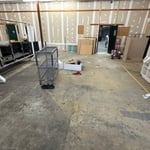
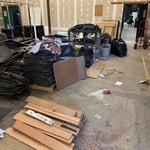
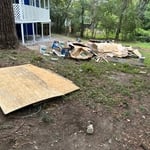
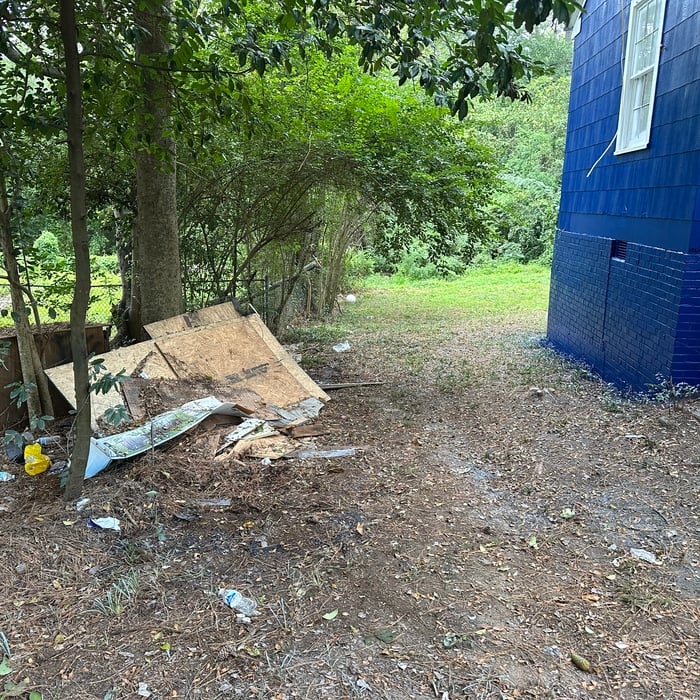
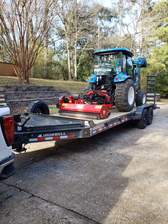
Excavating Project
Excavating Project
Excavating Project
Excavating Project
Additional Photos

+4

Recommended by100%of homeowners

Showing 1-10 of 37
Excavating FAQs, answered by experts

In the United States, a depth of 36 inches (three feet) for underground water lines is the accepted industry standard. This depth varies from location to location based on local conditions. In areas with colder winters, they may be buried deeper to prevent frozen well water pipes : This is usually at least six inches below the frost level. The International Plumbing Code calls for a minimum of 12 inches below grade.

You can bury underground electrical wire six inches deep—but only if you use a rigid metal electrical conduit. For rigid, non-metallic conduits, bury the wire at least 12 inches deep. If using an underground feeder cable rated for direct burial, you'll need to place it at least 18 inches deep, as it has no conduit for extra protection.

Sewer lines can be buried anywhere from 18 inches to 8 feet deep, with a common average depth between 18 and 30 inches. The exact depth depends on local factors like climate and soil type. In colder regions, pipes must be buried deeper (below the frost line) to prevent freezing, sometimes as deep as 8 feet. The digging depth can also impact the cost of sewer line replacement. To find the specific depth for your property, you can check the building plans for your system, which should be on file with your city or local sanitation department since permits are required for installation.

Depth is not a qualifying component of evacuation. Any human-made cut, cavity, or depression in the earth’s surface is considered excavation. The hole from excavation can be any size, shape, or depth. Excavation is used to create foundations, reservoirs, drainage ditches, and roads. Long, narrow excavations are called trenches and are often used for underground utilities.

Yes, you can excavate in the winter, but it might make the job harder. Frozen ground is harder to dig, and snow or ice can make the work site more hazardous. A contractor may need special equipment and techniques, such as ground-thawing methods, to break through frozen soil. Although winter excavation is possible, it may take longer and be more costly than excavating during warmer months.

The Gloster, MS homeowners’ guide to excavation services

From average costs to expert advice, get all the answers you need to get your job done.