




Top-rated excavation pros.

Get matched with top excavation pros in Fayette, MS

Enter your zip and get matched with up to 5 pros

Need a pro for your excavation project in Fayette, MS?

Select your specific project to find the pro for you.

Find Excavation pros in Fayette

Cow Creek Construction
5.0(
2
)
Building Site - Preparation and ClearingBuilding Site - Preparation and Clearing - For BusinessExcavation - Major Grading or Resloping+2 more

Serving Fayette, MS and surrounding areas

Free estimates

Emergency services offered

Credit card accepted

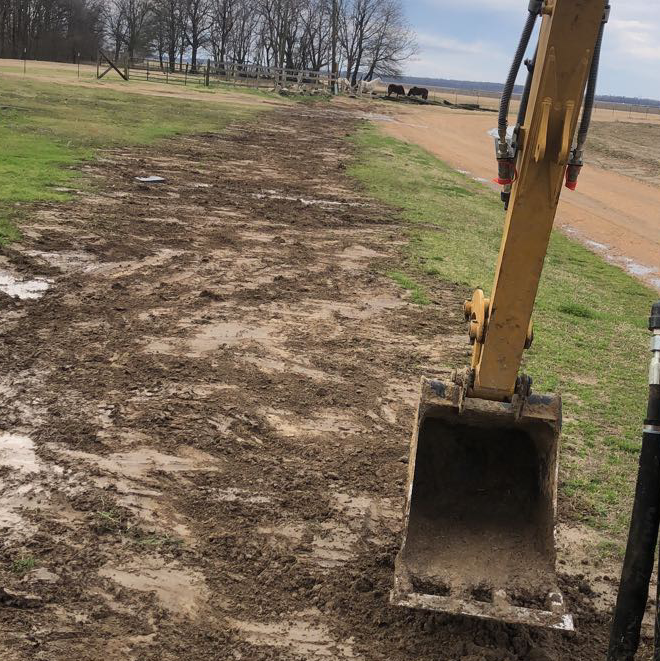
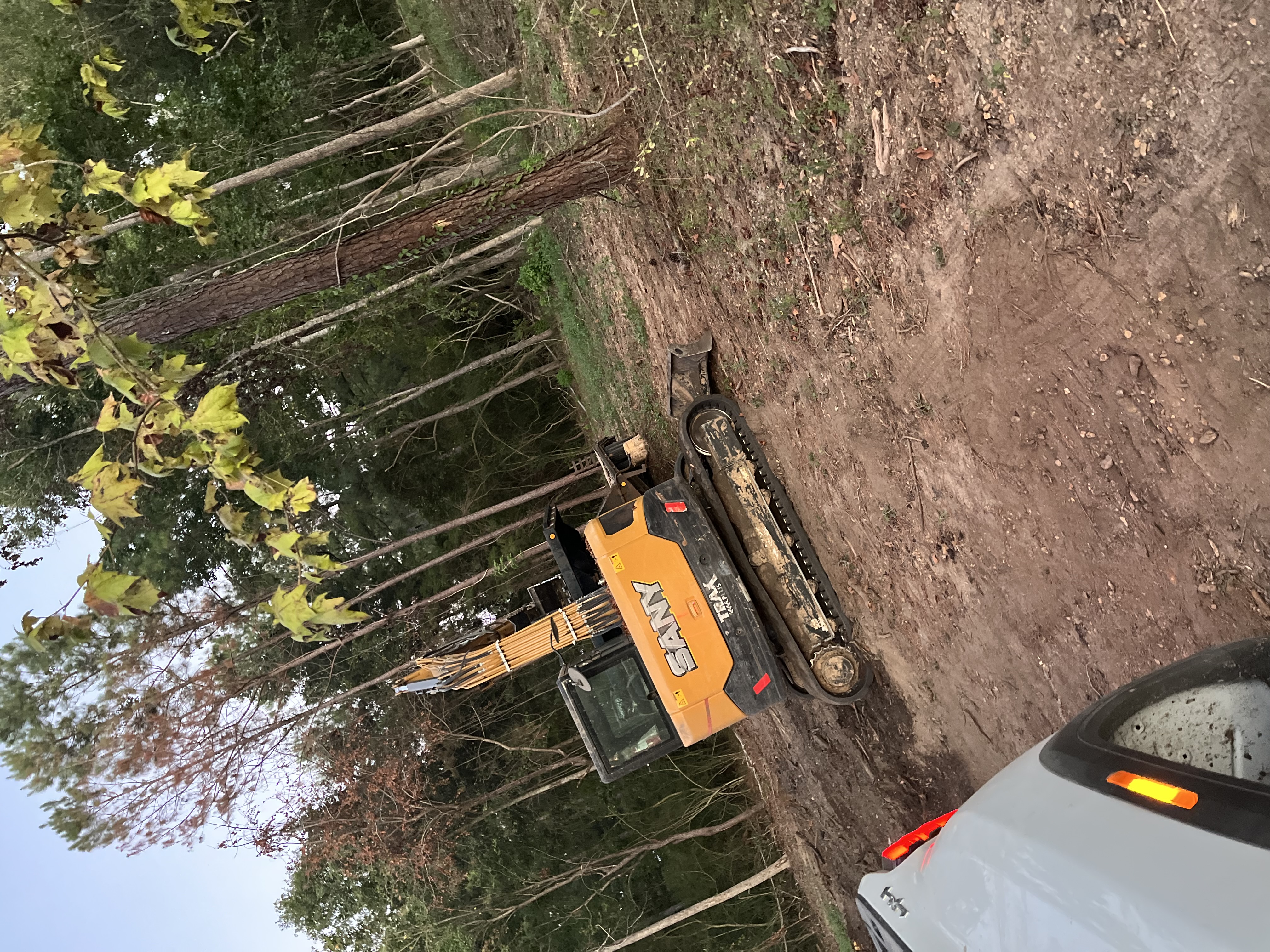
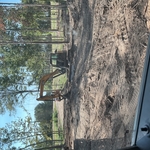
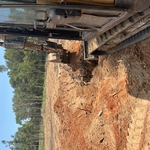
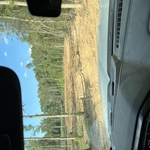
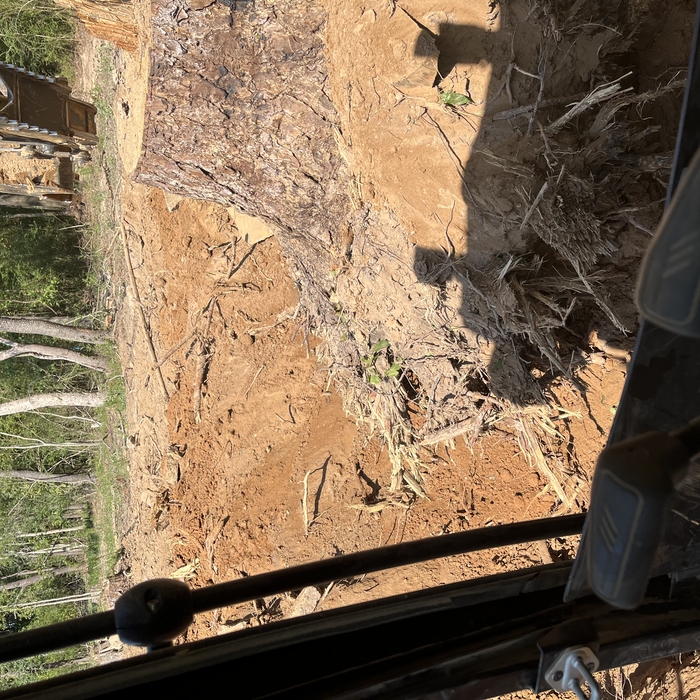
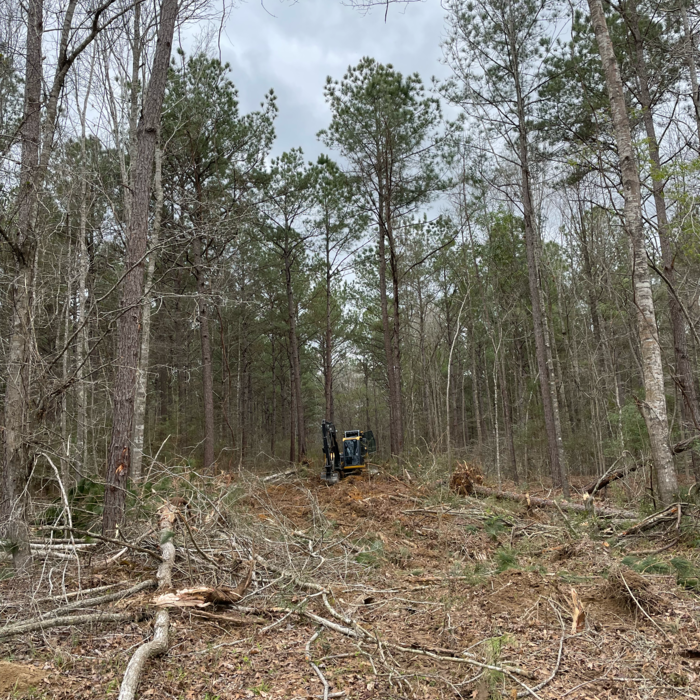
"I needed about 20 acres cleared to turn into pasture land. They came out back in February 2022, did an absolute amazing job for a great price. Will most definitely recommend them to everyone!"
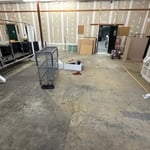
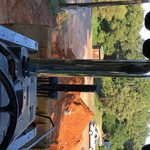
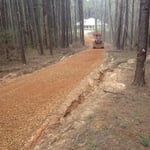
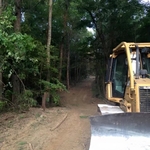
Excavating Project
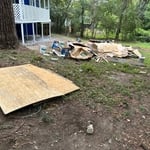
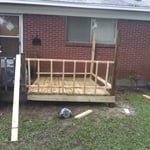
Excavating Project
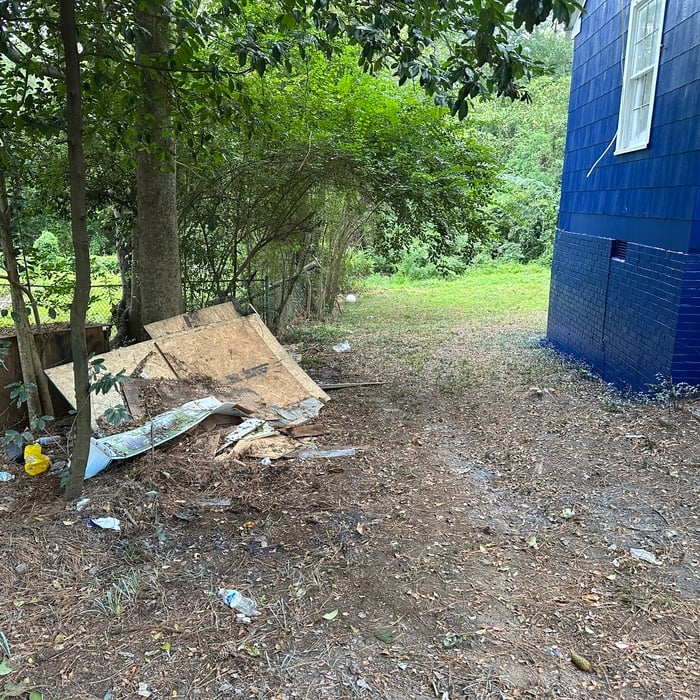
Excavating Project
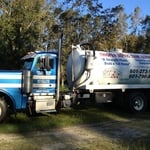
Excavating Project
Additional Photos

+4

Recommended by100%of homeowners
JRD Services
4.5(
2
)
Building Site - Preparation and ClearingExcavation - Major Grading or ReslopingLandscape - Minor Grading or Resloping

Serving Fayette, MS and surrounding areas

In business since 2009

Free estimates

Credit card accepted

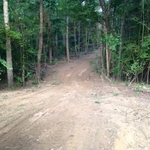
JRD Services, proudly serves its customers with pride, integrity, and attention to the details that matter most to you. This is one of the many things, that set us apart from the rest. We are locally owned and operated. Give us a call today!

Response time5 days
Recommended by100%of homeowners

Showing 1-10 of 33
Excavating questions, answered by experts

There is no standard depth for burying a septic tank; they are typically buried anywhere from 4 inches to 4 feet underground. The final depth depends on several factors, including the depth of your main sewer line, the height of the bedrock, soil type, local regulations, and the property's landscape. If you plan to grow grass or plants over the tank, a depth of at least 4 to 6 inches is recommended. Deeper tanks can be more difficult to locate, but a septic professional can help find it for you.

There are several methods to hollow out a tree stump, and the best one depends on your tools, experience, and priorities. Common methods include using a chisel and hammer, a chainsaw, or burning.

  • Chisel and Hammer: This is often considered the easiest approach for those with limited tools or experience, though it is the most time-consuming.

  • Chainsaw: Using a chainsaw is the fastest method, but it comes with significant safety risks, especially for inexperienced users.

  • Burning: This can be an effective method, but it is not recommended unless you can first drill holes into the stump. Without holes, the stump will be difficult to light and may not burn completely through.

A power drill with at least a ⅜-inch diameter bit can make the job quicker and easier, regardless of the primary method. While you can use a chisel or chainsaw without a drill, it will require more time and effort. Always wear protective goggles and thick gloves, as splinters are an inevitable risk.

Yes, you can excavate in the winter, but it might make the job harder. Frozen ground is harder to dig, and snow or ice can make the work site more hazardous. A contractor may need special equipment and techniques, such as ground-thawing methods, to break through frozen soil. Although winter excavation is possible, it may take longer and be more costly than excavating during warmer months.

Skunk digging looks like a series of small, cone-shaped holes on a lawn or around the perimeter of a home, porch, deck, or shed. The holes that skunks dig when searching for grubs tend to be no more than four inches in diameter and may be up to four inches deep.

The rules for trenching and excavation include setting up and following safety protocols, learning how to use tools and machines properly, and ensuring there is a safe exit for all workers. Keep heavy equipment and materials away from the edge of the hole or trench. Call the 811 dig line before starting any excavation or trenching project to ensure you don’t hit any electrical or gas lines.

The Fayette, MS homeowners’ guide to excavation services

From average costs to expert advice, get all the answers you need to get your job done.