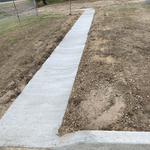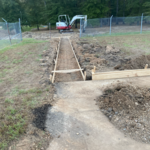





Top-rated excavation pros.

Best excavation pros near Magnolia, MS

Enter your zip and get matched with up to 5 pros

Need a pro for your excavation project in Magnolia, MS?

Select your specific project to find the pro for you.

Top-Rated Excavation pros in Magnolia - Updated Nov 2026

Avatar for Dyson Land Services
Dyson Land Services
5.0(
15
)
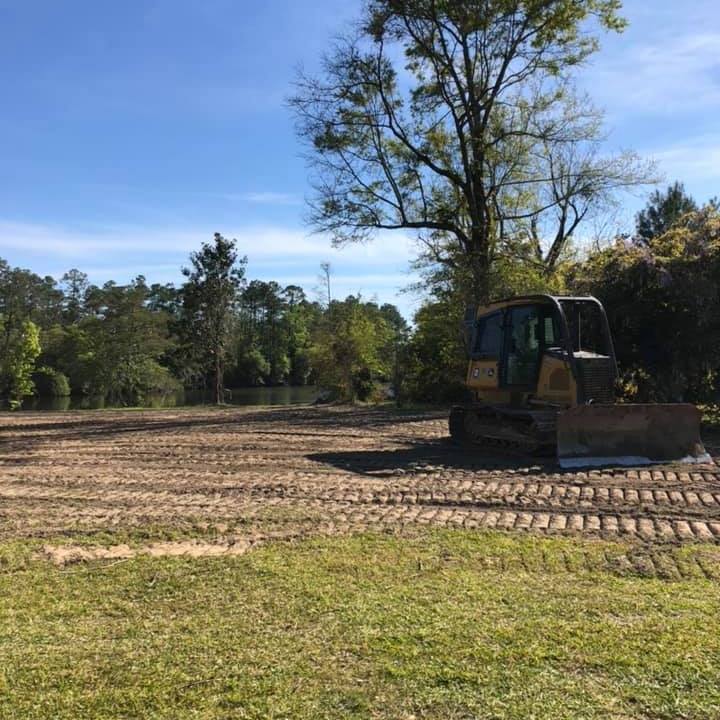
Building Site - Preparation and ClearingBuilding Site - Preparation and Clearing - For Business

Serving Magnolia, MS and surrounding areas

Approved

In business since 2022

Free estimates

"⭐⭐⭐⭐⭐ I hired this company for building site preparation and land clearing, and they exceeded my expectations from start to finish. They showed up on time, communicated throughout the entire project, and completed the work exactly as promised. The crew was professional, hardworking, and paid attention to every detail. They cleared the property thoroughly, removed all debris, and left the site clean and ready for the next phase of construction. Their equipment was well-maintained, and it was obvious they knew what they were doing. The quality of work, professionalism, and customer service were outstanding. If you’re looking for a reliable company for site preparation and land clearing, I highly recommend them. I would definitely hire them again for future projects."
6 neighbors recently requested a quote
Magee Fencing and Land Clearing LLC
New to Angi
Building Site - Preparation and Clearing

Serving Magnolia, MS and surrounding areas

Approved

In business since 2023

Free estimates

Credit card accepted

Here at Magee Fencing and Land Clearing LLC we are family owned, and operated with over 20 years of experience.. We take great pride in our expertise, quality, and customer service, that we provide to meet the consumer's needs. It is our mission to provide excellent workmanship and complete customer satisfaction, from the start to completion of a project. In order to understand the needs and expectations of our customers, we take great care to work and communicate with every client in a professional manner. Our reputation is based on service, safety, and quality, regardless of how large or small the job we will treat your home, or your business as we would treat our own. Give Magee Fencing and Land Clearing LLC, a call today, We look forward to working with you!

...
Showing 1-10 of 57
Excavating FAQs, answered by experts

A crawl space can be as little as 42 inches below the grade of your house, but this is not always recommended in flood-prone areas. At a minimum, there must be at least 16 inches of clearance between the ground and the floor joists to access the space in an emergency.

Most residential basements are 8 to 10 feet deep. You can dig deeper depending on building codes, but it does become more difficult. You’ll likely need to install stronger foundation walls and additional supports to handle the increased load. Depending on the water table, you may also need a water management system. Clay soil can support a deeper foundation than sandy soil. A structural engineer will be able to tell you the maximum, feasible depth.

The best way to protect tree roots is to avoid the roots entirely by excavating outside the root radius of the tree. For nearby projects, it’s a good idea to construct a temporary retaining wall. But that’s not always possible, depending on the project and the root system. In these cases, consider using alternative equipment like an auger to tunnel under the ground.

Remember, tree roots can damage nearby cement foundations as they grow. If a tree is close enough to interfere with large excavations, it may be better to remove the tree than risk future problems.

Yes, chipmunk holes may have two or more entrances. Chipmunks can create an entire network of burrows. Having multiple entrances makes it easier for them when trying to escape from a predator, such as a snake, or if an entrance collapses due to flooding. Each entrance leads to the nesting chamber underground, which is where the chipmunk spends the majority of its time sleeping.

Septic drain lines (or leach lines) are typically buried between 18 and 36 inches underground, and should be at least 6 inches below the surface. These pipes are perforated and surrounded by filtering materials like sand or gravel. Burying the lines at this depth helps minimize odors and allows bacteria and other biological processes in the soil to effectively treat the wastewater. Burying lines too close to the surface can cause issues unless the soil is very compact and stable.

The Magnolia, MS homeowners’ guide to excavation services

From average costs to expert advice, get all the answers you need to get your job done.