




Top-rated excavation pros.

Get matched with top excavation pros in Ethel, LA

Enter your zip and get matched with up to 5 pros

Need a pro for your excavation project in Ethel, LA?

Select your specific project to find the pro for you.

Find Excavation pros in Ethel

Avatar for Precision Tree Service
Precision Tree Service
4.9(
170
)
Building Site - Preparation and Clearing

Serving Ethel, LA and surrounding areas

Approved

In business since 1998

Free estimates

Warranties offered

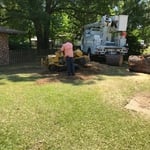
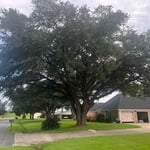
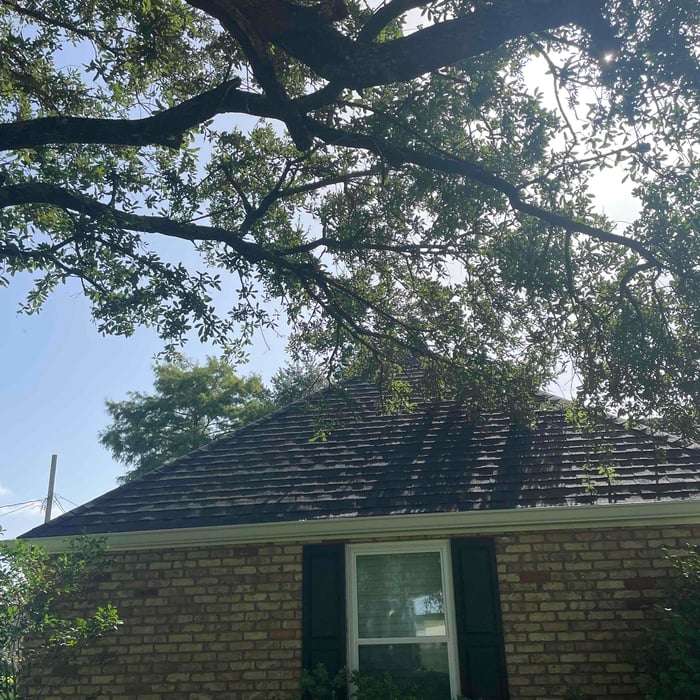
"The Pine tree had greater damage than was visible from the ground, including rot at the top. Removal was suggested, which we accepted since this tree was close to our house. The tree was removed in pieces, with no damage to the surrounding area. The stump was ground down. Trimming of selected branches & limbs on the other 4 trees resulted in a beautiful, open appearance with good visibility to the upper reaches of the trees. We are very pleased with the appearance. All debris was removed."

Additional Photos
Additional Photos
Additional Photos
Additional Photos
Additional Photos

+19

Response time2 days
Response rate88%
5 neighbors recently requested a quote

Avatar for J & S Dirt Works, LLC
J & S Dirt Works, LLC
New to Angi
Landscape - Minor Grading or Resloping

Serving Ethel, LA and surrounding areas

Approved

Free estimates

Emergency services offered

Warranties offered

At J&S Dirtworks, you’re not just hiring a company- you’re hiring a father and son team that takes pride in honest work, fair pricing, and getting the job done right the first time. We believe in a strong work ethic, clear communication, and treating every property like it’s our own. Whether it’s a small job or large project, we show up ready to work and don’t leave until you’re satisfied. \n\nWhat we do: \nTree Removal & Cleanup- Safe, efficent removal with attention to your property. \n\nGrass Cutting & Maintenance- Reliable mowing to keep your property looking clean and cared for. \n\nDirtwork & Moving Dirt- Grading, leveling, and hauling to shape your space the way you need. \n\n\nWhy you should hire us? \n-Family-owned and operated \n-Dependable, hardworking, and honest\n-Fair pricing with no runaround\n-Local service you can trust \n\nWhen you hire J&S Dirtworks, you’re supporting a family business that values hard work, respect, and results.

Tree trimming
Tree trimming
Tree trimming
Tree trimming
Tree trimming

+1

...
Showing 1-10 of 60
Excavating questions, answered by experts

Yes. A metal detector is one of the quickest and easiest ways to find your septic tank. However, metal detectors can be too expensive (costing upward of $300 in some cases), and not everyone has a metal detector just lying around. If that’s the case for you, you can also take a long metal rod and poke it into the ground at regular intervals until you hit something—likely your septic tank lid.

In the United States, a depth of 36 inches (three feet) for underground water lines is the accepted industry standard. This depth varies from location to location based on local conditions. In areas with colder winters, they may be buried deeper to prevent frozen well water pipes : This is usually at least six inches below the frost level. The International Plumbing Code calls for a minimum of 12 inches below grade.

A trench that is less than 5 feet deep often doesn't require a protective system. Most residential trenches will not go this deep (the typical residential drainage trench is just 18 inches deep). In the event that an excavator needs to dig more than 5 feet beneath the surface, a protective system is required unless the excavation is in entirely stable rock.

There is no standard depth for burying a septic tank; they are typically buried anywhere from 4 inches to 4 feet underground. The final depth depends on several factors, including the depth of your main sewer line, the height of the bedrock, soil type, local regulations, and the property's landscape. If you plan to grow grass or plants over the tank, a depth of at least 4 to 6 inches is recommended. Deeper tanks can be more difficult to locate, but a septic professional can help find it for you.

Septic drain lines (or leach lines) are typically buried between 18 and 36 inches underground, and should be at least 6 inches below the surface. These pipes are perforated and surrounded by filtering materials like sand or gravel. Burying the lines at this depth helps minimize odors and allows bacteria and other biological processes in the soil to effectively treat the wastewater. Burying lines too close to the surface can cause issues unless the soil is very compact and stable.

The Ethel, LA homeowners’ guide to excavation services

From average costs to expert advice, get all the answers you need to get your job done.