


Top-rated excavation pros.

Get matched with top excavation pros in Liberty, MS

Enter your zip and get matched with up to 5 pros

Need a pro for your excavation project in Liberty, MS?

Select your specific project to find the pro for you.

Find Excavation pros in Liberty

Rimes Excavating and Dozer Work
5.0(
1
)
Building Site - Preparation and ClearingBuilding Site - Preparation and Clearing - For BusinessExcavation - Major Grading or Resloping+1 more

Serving Liberty, MS and surrounding areas

In business since 2019

Free estimates

Rimes Excavating and Dozer Work proudly serves our customers with pride, integrity, and attention to details that matter most to you. This is one of the many things that sets us apart from the rest. We are family business and have been around the Pike county area for 30 years. Please give us a call today. We do have minimum on our equipment dozer is $125 hour with a five hour minimum and the track hoe $100 an hour with a five hour minimum.

Response time20 mins
Recommended by100%of homeowners

Cow Creek Construction
5.0(
2
)
Building Site - Preparation and ClearingBuilding Site - Preparation and Clearing - For BusinessExcavation - Major Grading or Resloping+2 more

Serving Liberty, MS and surrounding areas

Free estimates

Emergency services offered

Credit card accepted

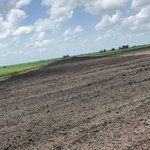
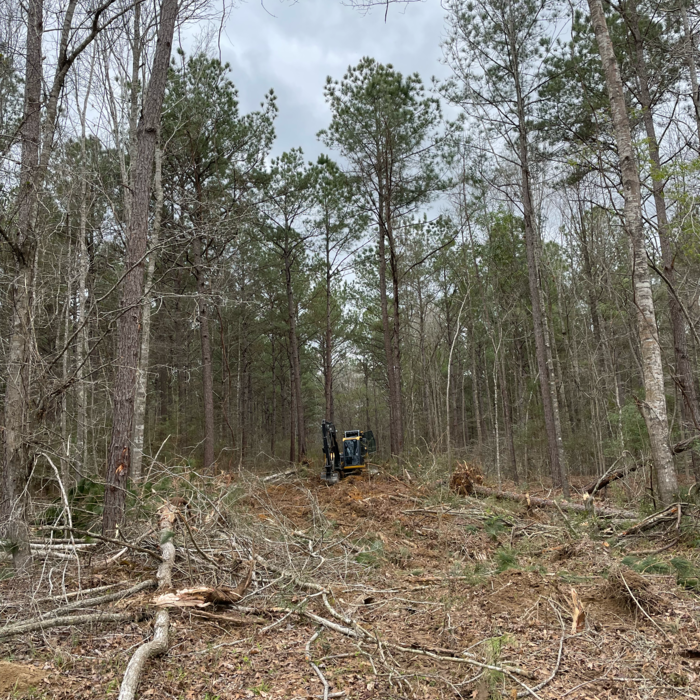
"I needed about 20 acres cleared to turn into pasture land. They came out back in February 2022, did an absolute amazing job for a great price. Will most definitely recommend them to everyone!"
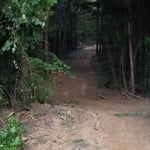
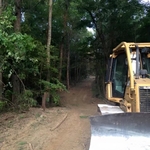
Excavating Project
Excavating Project
Excavating Project
Excavating Project
Additional Photos

+4

Recommended by100%of homeowners

Showing 1-10 of 44
Excavating questions, answered by experts

Downspouts should be buried at least 5 to 10 feet away from your foundation. This can vary depending on your local building codes, soil type, and property slope. The main goal is to ensure water is directed away from your foundation.

No, a ditch isn’t a trench. A ditch is an open, relatively shallow channel that’s carved out of the ground and used for drainage purposes. In contrast, a trench is a deeper excavation that’s entirely underground. Trenches have many uses, including gas lines, sewage systems, and electrical wiring. Unlike trenches, ditches don’t get filled back in with dirt after they’re dug.

The cost to drill a well varies, with a national average of around $5,500 for a 150-foot well. However, prices can fluctuate significantly based on several factors, including your location, the required well depth, geological conditions, local regulations, and the specific drilling methods used. For the most accurate cost assessment, it is best to research and get quotes from local well-drilling professionals in your area.

Trenching and boring are two distinct methods for installing underground utilities. Trenching involves digging a channel using equipment like an excavator, trencher, backhoe, or shovel. While it is a simpler process, it causes significant disruption to the surface, landscaping, and surrounding ecosystems.

Boring, also known as directional boring, is a less invasive alternative that uses a drill to create a tunnel for utility lines without disturbing the surface. This method is more precise and is ideal for installations that need to go underneath buildings, roads, or bodies of water. Although boring is less disruptive, it is generally more expensive than trenching.

Hardscaping often requires preparation of the ground in the area where the feature is being installed. This can include digging, compacting, and leveling the soil, ensuring adequate drainage, and removing any existing plants. The extent of preparation needed will depend on the type and size of the hardscaping feature being installed.

The Liberty, MS homeowners’ guide to excavation services

From average costs to expert advice, get all the answers you need to get your job done.