





Top-rated excavation pros.

Get matched with top excavation pros in Wilson, LA

Enter your zip and get matched with up to 5 pros

Need a pro for your excavation project in Wilson, LA?

Select your specific project to find the pro for you.

Find Excavation pros in Wilson

Avatar for J & S Dirt Works, LLC
J & S Dirt Works, LLC
New to Angi

Serving Wilson, LA and surrounding areas

Approved

Free estimates

Emergency services offered

Warranties offered

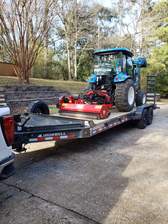
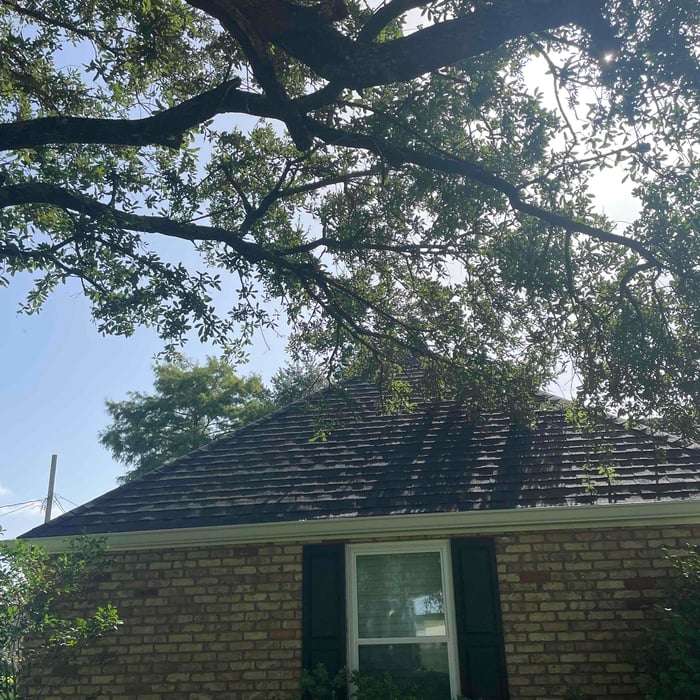
At J&S Dirtworks, you’re not just hiring a company- you’re hiring a father and son team that takes pride in honest work, fair pricing, and getting the job done right the first time. We believe in a strong work ethic, clear communication, and treating every property like it’s our own. Whether it’s a small job or large project, we show up ready to work and don’t leave until you’re satisfied. \n\nWhat we do: \nTree Removal & Cleanup- Safe, efficent removal with attention to your property. \n\nGrass Cutting & Maintenance- Reliable mowing to keep your property looking clean and cared for. \n\nDirtwork & Moving Dirt- Grading, leveling, and hauling to shape your space the way you need. \n\n\nWhy you should hire us? \n-Family-owned and operated \n-Dependable, hardworking, and honest\n-Fair pricing with no runaround\n-Local service you can trust \n\nWhen you hire J&S Dirtworks, you’re supporting a family business that values hard work, respect, and results.

Tree trimming
Tree trimming
Tree trimming
Tree trimming
Tree trimming

+1

Showing 1-10 of 44
Excavating questions, answered by experts

There are many ways to cut through roots when digging, especially if your trencher doesn’t seem to be removing the roots. First, use a shovel to expose the roots. Then, use gardening shears to clear out smaller roots or a reciprocating saw to remove larger plant roots. If you plan on keeping the plant, avoid cutting any roots over 2 inches thick.

Yes, trenchers can go through gravel. Gravel is made up of smaller, softer rocks that certain trenchers are able to cut through. Just be sure to use a rock wheel trencher or chain trencher, both of which are made to cut through rocky landscapes and gravel pathways without dulling the teeth or chain.

How deep your septic system needs to be into the ground depends on several factors. In extremely cold environments, the tank needs to rest below the maximum frost line, which can be up to six or eight feet deep. The standard burying depth for most systems is between a few inches and four feet below ground level. Depth can also depend on the slope of the landscaping and other property variables. 

Hard soil could be a sign of overly dry dirt, either from poor drainage or drought. It's important to test the nutrient levels, density, and drainage capacity of your soil to see if it's absorbing water properly. Begin by adding a light layer of water and observing how long the soil retains moisture. If you experience a good deal of runoff, you may need to aerate your lawn, apply a wetting agent, or hire a professional for a closer look.

No, a ditch isn’t a trench. A ditch is an open, relatively shallow channel that’s carved out of the ground and used for drainage purposes. In contrast, a trench is a deeper excavation that’s entirely underground. Trenches have many uses, including gas lines, sewage systems, and electrical wiring. Unlike trenches, ditches don’t get filled back in with dirt after they’re dug.

The Wilson, LA homeowners’ guide to excavation services

From average costs to expert advice, get all the answers you need to get your job done.