







Top-rated arborists.

Best arborists near Wellsville, MO

Enter your zip and get matched with up to 5 pros

Need a pro for your arboricultural service project in Wellsville, MO?

Select your specific project to find the pro for you.

Top-Rated Arborists in Wellsville - Updated Nov 2026

Avatar for Arbor Care
Arbor Care
5.0(
4
)
Tree RemovalTree Removal - For BusinessTree Stump - Remove+5 more

Serving Wellsville, MO and surrounding areas

In business since 2013

Free estimates

Emergency services offered

"Job well done. Everyone was pleasant and made sure they met my expectations. I was so satisfied with their work, I recommended them to others, and had them back for another tree removal and grind. Great to do business with! I highly recommend."
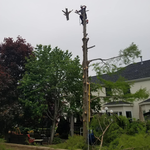
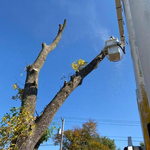
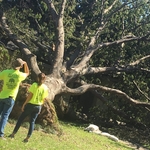
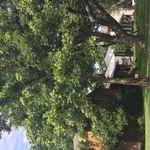
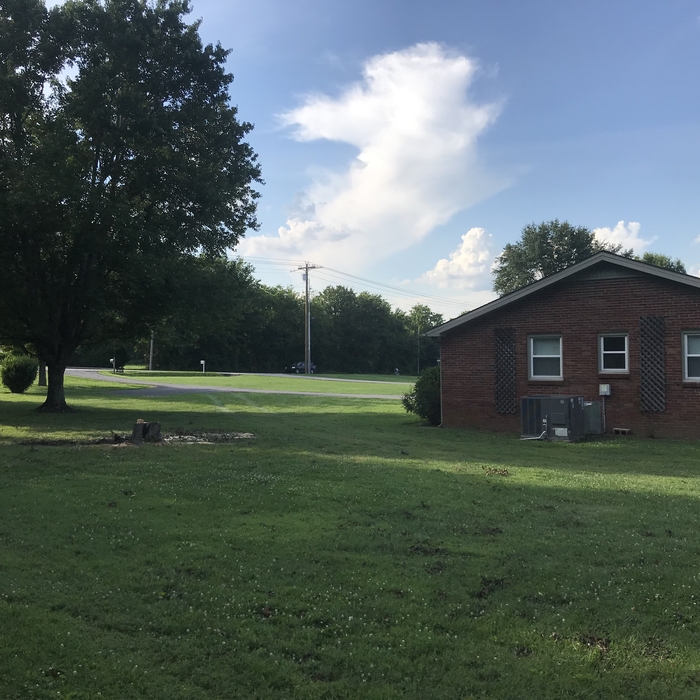
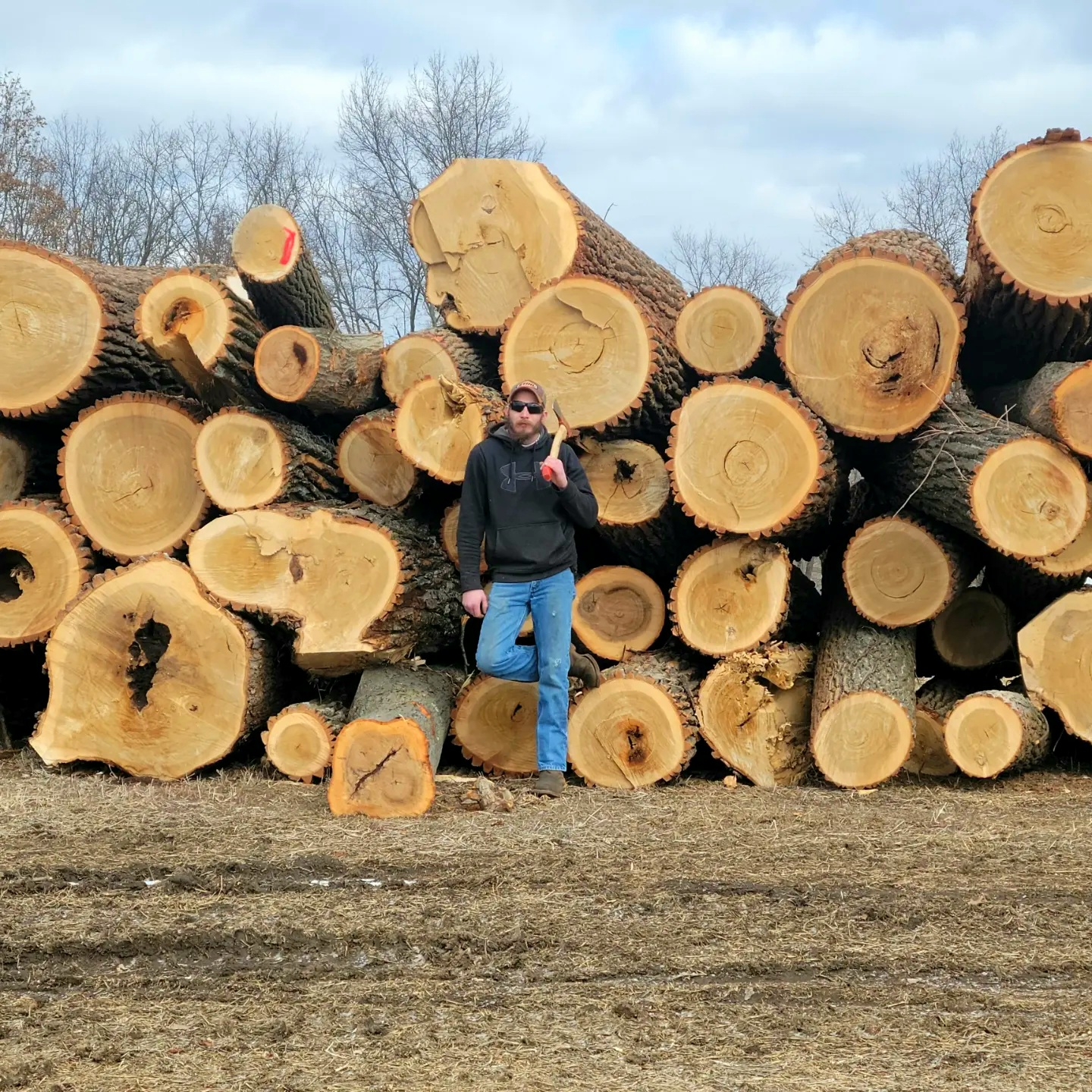
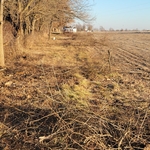
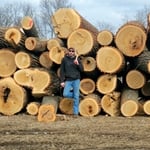
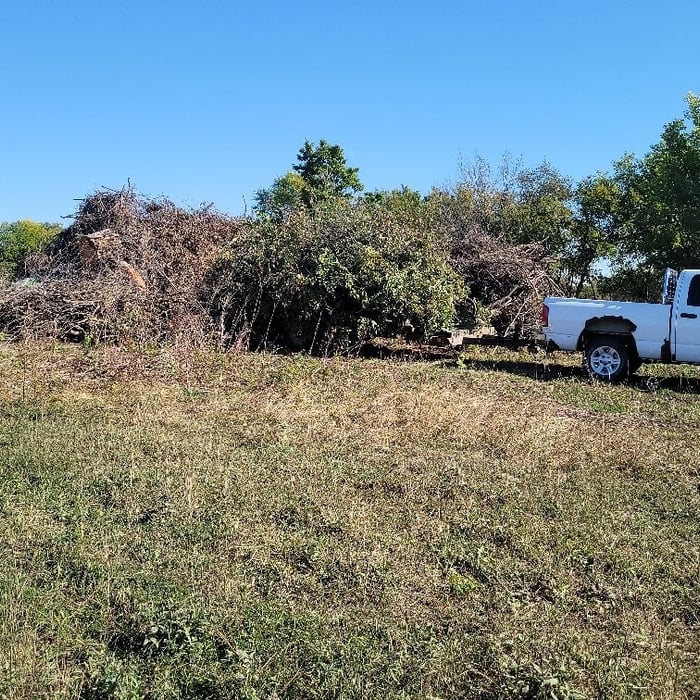
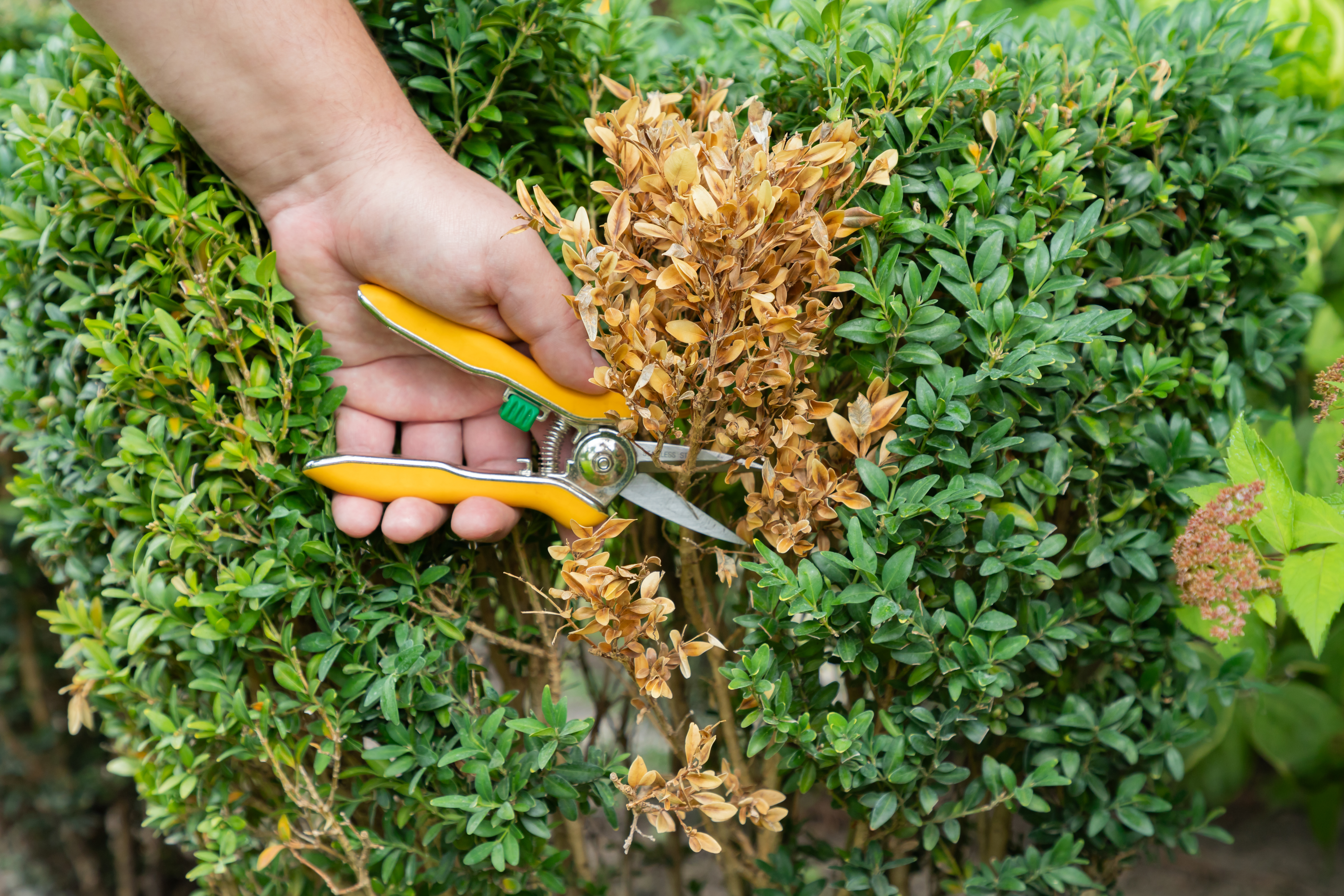
Additional Photos
Additional Photos
Additional Photos
Additional Photos
Additional Photos

+3

Recommended by100%of homeowners

Avatar for Big Oaks Tree Service LLC
Big Oaks Tree Service LLC
4.8(
27
)
Tree RemovalTree Removal - For BusinessTree Trimming+1 more

Serving Wellsville, MO and surrounding areas

In business since 2020

Free estimates

Emergency services offered

"I made phone contact after looking on Home Advisor, which gave me an appointment for tomorrow. The owner told me they were finishing up a job just up the road and that, they would be here today. I was surprised to have lucked out and they completed all my tree trimming this afternoon. Job well done !!"
Response time7 hrs
Recommended by88%of homeowners
...
Showing 1-10 of 52
Arborists FAQs, answered by experts

Palm trees are unique in that their roots don't grow straight down; they grow horizontally. Typically, palm tree roots go down between 12 and 36 inches deep. The roots grow far and wide from the base of the palm tree to absorb as much water and soil nutrients as possible. In addition, the horizontal roots are also very strong—keeping palm trees stable and helping them sway during storms.

Aside from removing dead or diseased branches, you should prune your trees somewhere between every one and three years. Some people—particularly commercial farmers—prune their apple trees yearly to produce higher yields. This is the best way to promote tree health. That said, the average homeowner can get away with hard-pruning their mature apple tree every other year or every three years. 

It depends on where you live—but in most areas, leaves begin falling in September and continue falling until January or February. Warmer regions, such as Southern states, may see leaves fall a bit later in the calendar year. It also depends on the type of trees in your yard and their maturity. 

If you don’t cut down a dead, dying, or diseased tree, it can become a nesting place for pests like mosquitos, bees, beetles, wasps, fly larvae, and more. Some pests will live in the tree, while others will feed off the decaying wood. Unhealthy trees are also more likely to fall over, potentially injuring people and causing damage to your property.

Trees aren't big fans of moving, and they do go into shock during a transplant. Although most carefully thought-out tree transplants see the tree recover from the shock just fine, there is always a risk of having an unsuccessful move. Proper preparation, timing, and diligent aftercare are crucial to minimize the risks when transplanting a tree.

The Wellsville, MO homeowners’ guide to arboricultural services

From average costs to expert advice, get all the answers you need to get your job done.