




Top-rated arborists.

Best arborists near Hallsville, MO

Enter your zip and get matched with up to 5 pros

Need a pro for your arboricultural service project in Hallsville, MO?

Select your specific project to find the pro for you.

TRUSTED BY HALLSVILLE, MO HOMEOWNERS

  • Average homeowner rating star icon4.4
    Average homeowner rating
  • Verified reviews icon252
    Verified arboricultural services reviews

Top-Rated Arborists in Hallsville - Updated Nov 2026

Avatar for Top Quality Landscaping, LLC
Top Quality Landscaping, LLC
3.7(
35
)
Tree TrimmingTree RemovalTree Trimming - For Business

Serving Hallsville, MO and surrounding areas

Approved

In business since 2012

Free estimates

Emergency services offered

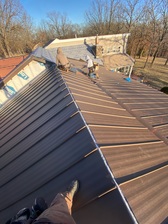
"I had a huge oak tree hanging over my back deck. Nick and his crew cut down the tree and removed the stump in less than six hours. No damage was done and after clean-up, you would never know a tree had been there. Truly. a great company deserving of a five-star rating."
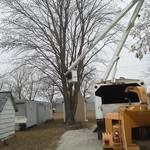
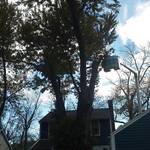
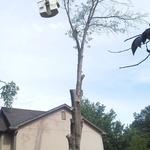
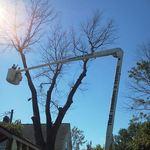
Maple Tree Removal in Moberly, MO.
Maple Trimming
Storm Damage
Oak Removal
Response time1 day
Response rate85%
17 neighbors recently requested a quote
AAA Curb Appeal
1.0(
1
)
Tree Stump - RemoveTree Stump - Remove - For BusinessTree Trimming+1 more

Serving Hallsville, MO and surrounding areas

Approved

In business since 2023

Free estimates

Credit card accepted

With years of experience in the Landscaping industry, Triple A Curb Appeal is your industry expert in Centralia. We pride ourselves on our extreme professionalism and attention to detail. Our customer satisfaction guarantee will assure you we will not leave your property until you are completely satisfied with our work. As a family owned and operated business you can trust that we will treat your home as we would treat our own. Give us a call today we look forward to working with you!

Response time11 hrs
Avatar for Tree Wizard
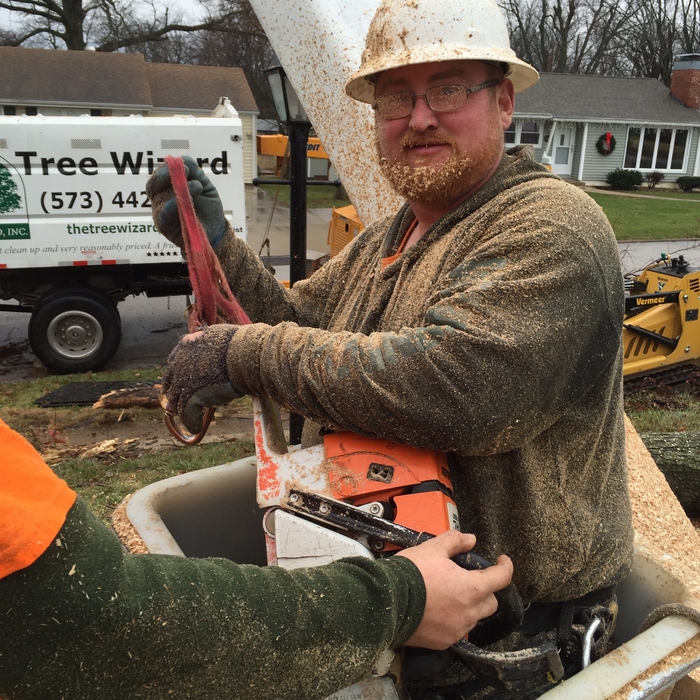
Tree Wizard
4.9(
39
)
Tree RemovalTree Stump - RemoveTree Trimming

Serving Hallsville, MO and surrounding areas

In business since 2002

Free estimates

Emergency services offered

"When initially contacted, they promptly came out and estimated the job. As the estimator was a certified Arborist, he was able to knowledgeably answer my questions about the trees on my property. The bid was very reasonable, and lower than the two other bids I received. Once I contracted with them, they came out within a week and did a great job. Professional, polite, and hardworking. I was very satisfied and am having them do more work this fall."
Additional Photos
Additional Photos
Additional Photos
Additional Photos
Additional Photos

+2

Recommended by100%of homeowners
...
Showing 1-10 of 65
Arborists FAQs, answered by experts

Once you confirm a tree is dead, you should remove it. Dead trees eventually fall, and larger trees in particular can cause damage to rooftops, fencing, flowers, and other objects. As we mentioned, letting decayed wood stay in your yard also invites risks to the surrounding landscaping and vegetation.

The best time to transplant a tree is when it is dormant. For many trees, this means either in the fall after the leaves have dropped (around October or November) or in early spring before new growth begins (around March). The ideal timing can depend on the type of tree. Deciduous trees do well when moved in early spring or fall, while evergreens are best transplanted in early spring or late summer. For example, pine trees are best moved in early fall, but maples prefer late fall. Avoid transplanting in winter, as the frozen or hard, cold soil poses a significant risk to the roots and prevents the tree from acclimating properly.

If you don’t trim your palm trees, you can expect several negative outcomes, including:

  • Unhealthy palm trees attract pests, diseases, and fungi 

  • Dead falling fronds can cause severe injury or damage to your home, pedestrians, or cars

  • Dead palm branches are flammable and can catch fire, especially during a lightning storm

In most ways, palm trees are incredibly low-maintenance. They don’t need a ton of water—which is why they’re so beloved in desert regions—and they basically prune themselves. But they do need an ample supply of sunlight and to be in soil that will allow for proper drainage so that their roots don’t become waterlogged and at risk of developing illnesses.

If the plant begins to wilt, develop spots, or change color, these could all be signs that your palm tree has a disease. But a few basic treatments, like pruning and applying fungicide, will usually be more than enough to return it to perfect health.

Stay inside or well away until the storm passes. Don’t go outside to inspect the tree until the weather clears, especially if the tree is on a hill or isolated in a field. Lightning often strikes the same easily-accessed places multiple times, and you could be a new target. If a lightning strike causes a noticeable fire, alert emergency services. When the storm is over, take a closer look to gauge the damage done.

The Hallsville, MO homeowners’ guide to arboricultural services

From average costs to expert advice, get all the answers you need to get your job done.