



Top-rated radon detection and reduction specialists.

Get matched with top radon detection and reduction specialists in Union, MO

Enter your zip and get matched with up to 5 pros

Need a pro for your radon detection and reduction project in Union, MO?

Select your specific project to find the pro for you.

Find Radon detection and reduction specialists in Union

Avatar for Scope Environmental
Scope Environmental
5.0(
15
)
Radon Gas - Testing

Serving Union, MO and surrounding areas

In business since 2023

Free estimates

Small jobs welcome

"I used Scope Environmental recently to test floor tile and the underlying mastic to determine if either contained asbestos. I selected Scope because Jeff was very responsive, professional, independent of the abatement companies and his price was competitive. Jeff suggested testing both the tiles and mastic. The tiles tested positive for asbestos but the mastic contained no asbestos. As a result, I saved considerable expense by abating the tiles only and not the mastic so I also used Scope again for the post abatement air testing rather than the abatement company. I would hire Scope again for material and air testing for asbestos, mold or any other potentially toxic materials."
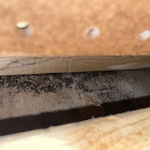
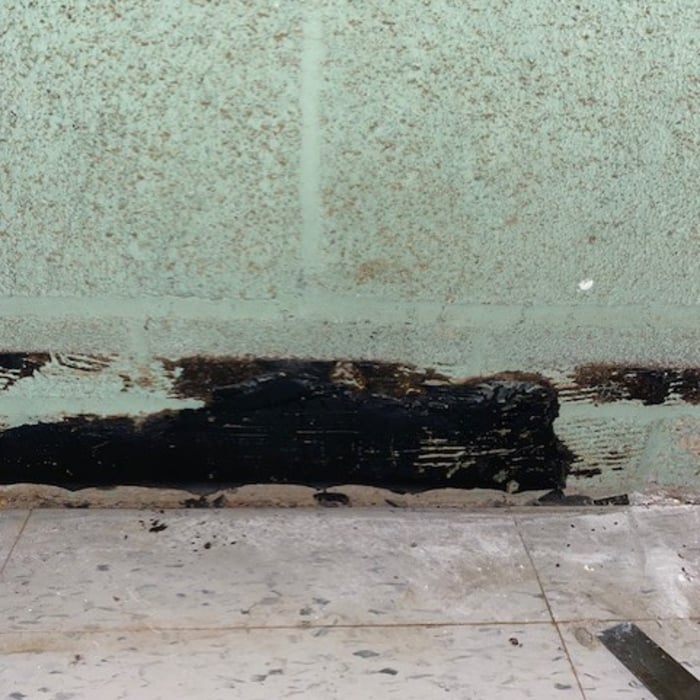
Black mold inside closet
Mold growth in HVAC Closet
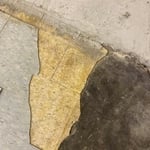
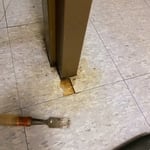
Asbestos Flooring
Floor sample collection
Asbestos Adhesive

+10

Response time4 hrs
Response rate96%
Recommended by73%of homeowners

Avatar for Mid MO Inspectors
Mid MO Inspectors
0.0(
7
)
Radon Gas - Testing

Serving Union, MO and surrounding areas

In business since 2005

Free estimates

Mid MO Inspectors will provide you or your business with a full service approach to all your inspection needs. Please feel confident in contacting Mid MO Inspectors for your next inspection.

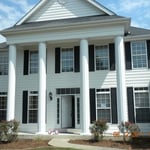
 3 story large home
 Ranch Style
Home Inspections
Home Inspections
Home Inspections

+5

Recommended by100%of homeowners
Radon Detection and Reduction questions, answered by experts

Radon is a cancer-causing radioactive gas that poses serious health risks, infiltrating homes through foundation cracks and unnoticed spaces.

Keeping radon from getting into your home is much better than having to get rid of it once it's already indoors. While there may not be a way to fully prevent radon from getting into your home, there are things you can do to reduce the gas's ability to enter. 

Sealing foundation cracks and openings can help keep the gas from seeping inside. Improving air flow, such as by opening windows, can also be helpful. If you're building your home from scratch, talk to your contractor about using radon-resistant construction to keep the gas out.

If high radon levels are detected, steps include sealing entry points, installing a mitigation system, and retesting the air regularly to ensure reduced levels.

Ideally, no one will live in a house with elevated radon levels, as prolonged exposure increases the risk of serious health issues like lung cancer. However, homes with radon can be made safe through mitigation systems, such as active soil depressurization. Testing for radon regularly and addressing high levels helps ensure a safe living environment.

No level of radon is technically safe, but since it is present everywhere, complete avoidance is impossible. The average radon level in homes across the United States is 1.3 picocuries per liter (pCi/L). The Environmental Protection Agency (EPA) recommends taking preventative measures if your home's radon levels are between 2 and 4 pCi/L or higher.

The Union, MO homeowners’ guide to radon detection and reduction services

From average costs to expert advice, get all the answers you need to get your job done.