








Top-rated radon detection and reduction specialists.

Get matched with top radon detection and reduction specialists in Labadie, MO

Enter your zip and get matched with up to 5 pros

Need a pro for your radon detection and reduction project in Labadie, MO?

Select your specific project to find the pro for you.

Find Radon detection and reduction specialists in Labadie

Avatar for Greensmith Home Inspection, LLC
Greensmith Home Inspection, LLC
4.6(
36
)
Radon Gas - Testing

Serving Labadie, MO and surrounding areas

In business since 2017

Free estimates

Credit card accepted

"We wanted the house inspected because we were buying it. He did a thorough enough job of examining the outside and inside of the house. One thing that he didn't do... He didn't pull some building materials away from the basement storage area to examine the basement wall for cracks. I was a little surprised about that. He also didn't notice that the basement door was getting stuck when we tried to close it. We noticed it ourselves and asked the current homeowner's to fix it. However, he did notice the slow drain in the master bath. A leaky window in the master bedroom and that their was no GFCI outlet in one of the bathrooms. He tested for water/dampness in all the rooms and all of the windows. He communicated well and arrived on time. He took about an hour outside and inside. Also looked for termite problems in the house as well. Overall, I would hire him again."
Appliance Serial Number Capture
Response time2 hrs
Recommended by93%of homeowners
Avatar for Loving Mold Removal
Loving Mold Removal
4.6(
26
)
Radon Gas - Testing

Serving Labadie, MO and surrounding areas

In business since 2019

Free estimates

Emergency services offered

"Ken did a great job of protecting the area from drywall dust by hanging plastic sheeting and using negative pressure vacuum system. Ken was very accommodating and helped advise on the best approach. Price was reasonable for the work performed but a bit higher than the original rough estimate. I would look for a formal estimate and contract for the next phase of work and expect to higher K&E Demo again."
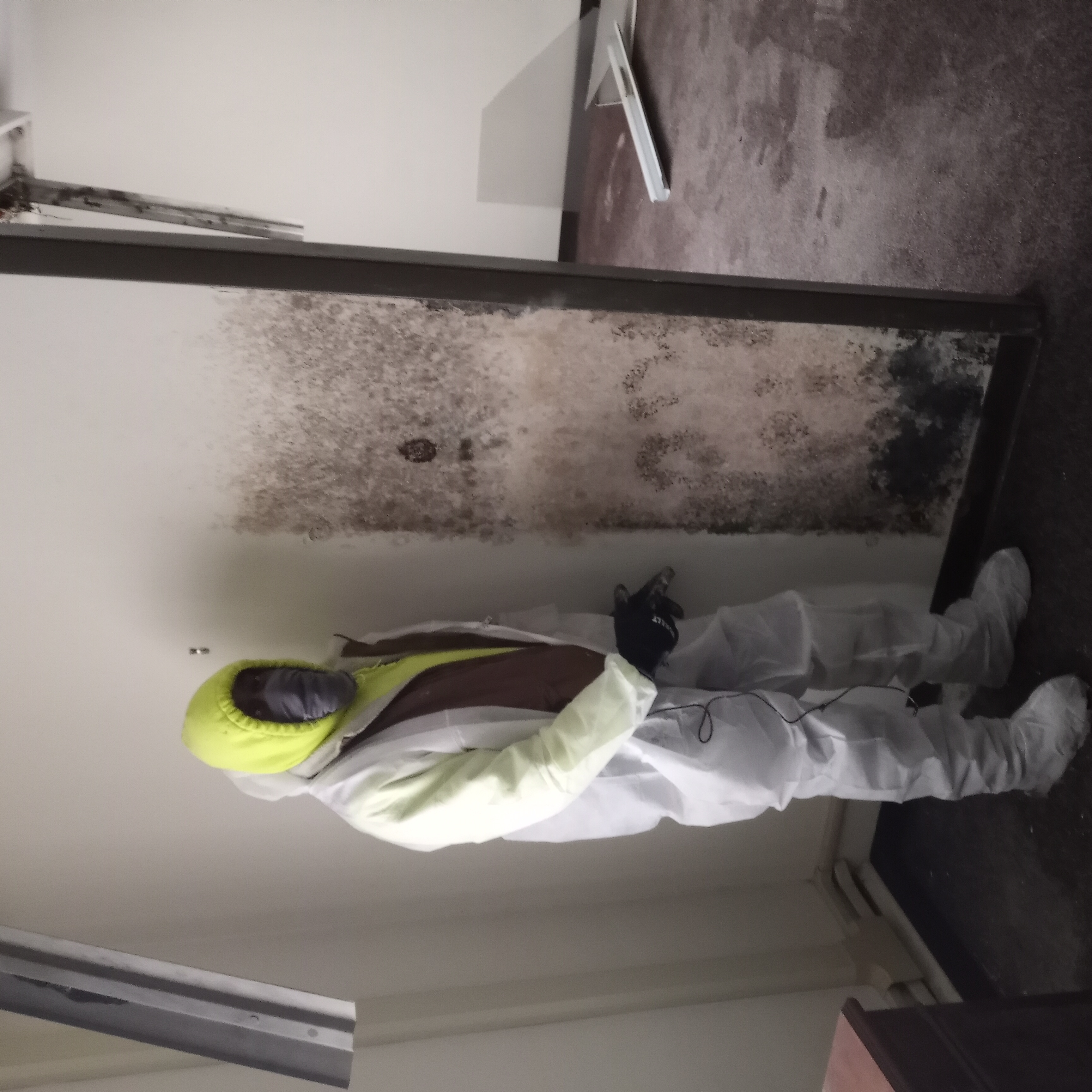
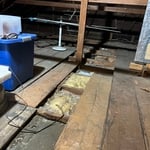
Mold Testing and Remediation Project
Additional Photos
Additional Photos
Additional Photos
Additional Photos

+43

Recommended by87%of homeowners
Radon Detection and Reduction questions, answered by experts

Your radon fan needs to operate 24/7 to be effective. The only time the fan isn't operating is during its replacement. Radon levels in the home can increase within hours if the fan stops working or something obstructs the stack vent. Fortunately, radon systems require no downtime maintenance between fan changes.

Keeping radon from getting into your home is much better than having to get rid of it once it's already indoors. While there may not be a way to fully prevent radon from getting into your home, there are things you can do to reduce the gas's ability to enter. 

Sealing foundation cracks and openings can help keep the gas from seeping inside. Improving air flow, such as by opening windows, can also be helpful. If you're building your home from scratch, talk to your contractor about using radon-resistant construction to keep the gas out.

The natural breakdown of uranium in soil, rock, and water can cause radon to appear in a home. The gas seeps into homes through cracks in foundations, walls, or floors, as well as through gaps around pipes or construction joints. Radon levels are influenced by soil composition, building materials, and ventilation. Poorly sealed or airtight homes can trap radon, allowing it to accumulate.

The soil beneath your house is most likely what’s causing an increased level of radon. This is because soil holds radioactivity for a long time and it’s also what most buildings are built on. Another common source of radon is water from a source that hasn’t been through periodic radon tests, such as well water. Over time, the radon from the soil can inhabit other parts of your house like the foundation or plumbing.

Your radon mitigation system may be loud because it’s time to replace it. Any sounds are usually from the inline fan that helps create the vacuum and resulting airflow. If you hear a new, loud mechanical or humming noise from your radon fan, it might be time to replace it. Most fans used in radon mitigation systems last up to 10 years, but may need to be replaced sooner.

The Labadie, MO homeowners’ guide to radon detection and reduction services

From average costs to expert advice, get all the answers you need to get your job done.