




Top-rated radon detection and reduction specialists.

Get matched with top radon detection and reduction specialists in New Haven, MO

Enter your zip and get matched with up to 5 pros

Need a pro for your radon detection and reduction project in New Haven, MO?

Select your specific project to find the pro for you.

Find Radon detection and reduction specialists in New Haven

Avatar for ATM Home Inspection, LLC
ATM Home Inspection, LLC
4.8(
40
)

Serving New Haven, MO and surrounding areas

Approved

In business since 2011

Free estimates

Credit card accepted

"Time will tell but seemed knowledgeable, they were very informative for us during the inspection and before and their report is well laid out with all that they reviewed including relevant pictures (with arrows, circles on important parts)."
Response time50 mins
Response rate88%
1 neighbors recently requested a quote
Avatar for Mid MO Inspectors
Mid MO Inspectors
0.0(
7
)

Serving New Haven, MO and surrounding areas

In business since 2005

Free estimates

Mid MO Inspectors will provide you or your business with a full service approach to all your inspection needs. Please feel confident in contacting Mid MO Inspectors for your next inspection.

 3 story large home
 Ranch Style
Home Inspections
Home Inspections
Home Inspections

+5

Recommended by100%of homeowners
Radon Detection and Reduction questions, answered by experts

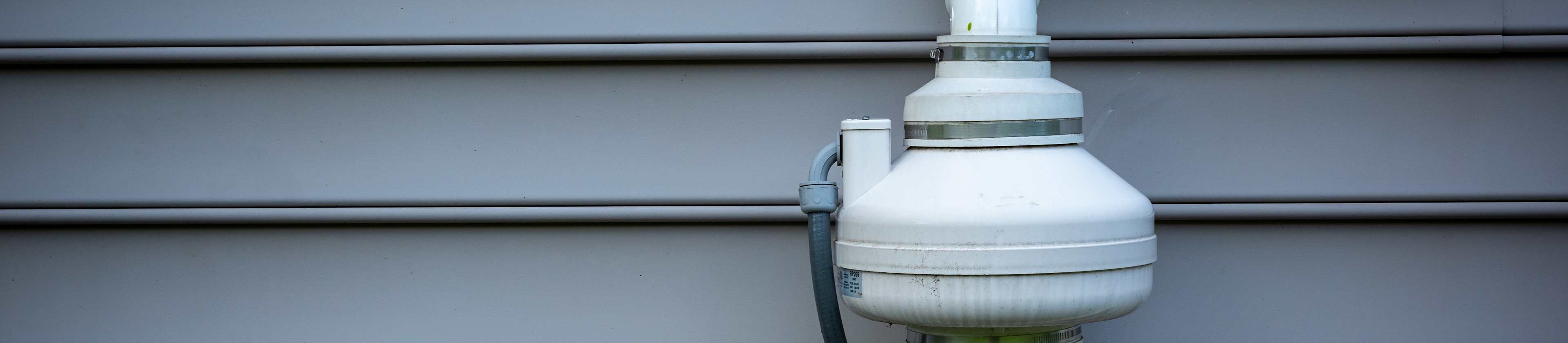
Your radon fan needs to operate 24/7 to be effective. The only time the fan isn't operating is during its replacement. Radon levels in the home can increase within hours if the fan stops working or something obstructs the stack vent. Fortunately, radon systems require no downtime maintenance between fan changes.

Radon is present almost everywhere but, like sunlight, the concentration levels and how often you are exposed to it have a large part to play in just how dangerous it is. There are levels of radon that are acceptable inside a house, but above a certain limit, radon becomes a serious radioactive hazard that is a known cause of lung cancer. In fact, radon exposure is the number two leading cause of lung cancer (after smoking).

Your radon mitigation system may be loud because it’s time to replace it. Any sounds are usually from the inline fan that helps create the vacuum and resulting airflow. If you hear a new, loud mechanical or humming noise from your radon fan, it might be time to replace it. Most fans used in radon mitigation systems last up to 10 years, but may need to be replaced sooner.

A homeowner can install a radon mitigation system on their own. But it’s a challenging DIY that requires a lot of knowledge about radon mitigation as well as familiarity with local regulations. You do not want to risk an improper installation that leaves the system unable to detect radon or gives it a shortened life span. Relying on a professional is the surest way to guarantee a successful installation.

The soil beneath your house is most likely what’s causing an increased level of radon. This is because soil holds radioactivity for a long time and it’s also what most buildings are built on. Another common source of radon is water from a source that hasn’t been through periodic radon tests, such as well water. Over time, the radon from the soil can inhabit other parts of your house like the foundation or plumbing.

The New Haven, MO homeowners’ guide to radon detection and reduction services

From average costs to expert advice, get all the answers you need to get your job done.

What do you need done? We’ll find top pros.
  • 🌱 "Mow a small front yard"
  • 🛠 "Fix a leaking pipe under the sink"
  • 🏠 "Repair shingles on an asphalt roof"